Miami-Dade Condo Market Sees Strong Year-Over-Year Gains in October
Market Snapshot: October 2025 Shows Momentum in the Condo Sector
According to the latest report from the Miami Association of Realtors (“MIAMI”) and the Southeast Florida Multiple Listing Service (SEFMLS), Miami-Dade County posting a strong second consecutive robust month in October 2025 — and the condo segment was firmly part of that upswing. Existing condo sales in October rose by 6.82%, increasing from 939 units in October 2024 to 1,003 units in October 2025 (up from 904 in September 2025). Meanwhile, the dollar volume of condo sales ticked upward to approximately $654 million, reflecting a year-over-year increase of about 1.3%.
Affordable and Luxury Tiers Lead the Way
The data highlight standout growth at both ends of the pricing spectrum. “Affordable” condo properties (in the $150,000–$199,000 range) surged an impressive 78.8%, rising from 33 units in October 2024 to 59 units in October 2025. On the luxury side, luxury condos priced at $1 million and up increased 7.63%, from 118 units the prior year to 127 units this October. The broad gains reflect that demand remains robust both for value-entry and premium condos in Miami.
Price Dynamics & Inventory: Stability with Opportunity
While unit volume climbed, median sale price for existing condos actually dipped modestly: from $415,000 in October 2024 to $400,000 in October 2025 (a decline of about 3.6%).
This price softness, when paired with rising sales volume, can signal opportunities for savvy buyers. Inventory for condos rose by 15.66% year-over-year (from 10,946 to 12,660 active listings) but remains 17.2% below pre-pandemic levels (October 2019: 15,295 listings). The months-supply of inventory for condos stands at around 13.9 months, suggesting a buyer-market tilt — yet the shorter-term uptick in volume means competition is real in the right segments.
What This Means for Condo Buyers, Sellers & Investors
For Buyers & Investors:
With condo sales up ~6.8% and inventory rising, you may have more options right now — especially in the value tier and select luxury segments.
The dip in median price to $400K offers negotiation room for well-priced buildings with strong amenity packages and good HOA/financing structure.
The dramatic jump in affordable condo sales signals that value-oriented buyers (including investors looking for rental yields) should pay attention now.
For luxury investors, the $1M+ condo uptick confirms that high-net-worth buyers remain active in Miami-Dade — a good sign for premium-tier product.
For Sellers:
If you’re holding a condo priced competitively, this market’s momentum works in your favor — especially if your building and location stand out.
With median prices slightly down, sellers should emphasize strong positioning (amenities, financing, building reserves) to justify premium pricing.
For units in the $150K-$200K bracket, the surge in sales indicates heightened interest and potential for quick movement — so aggressive marketing now can pay off.
For Developers or Pre-Construction Stakeholders:
Even though these MLS stats don’t capture most pre-construction or conversion condo sales, the resale data provide directional insight: value entry and luxury both active.
Product strategies that address the ~$150K-$200K entry level could tap into the surge seen, as could luxury offerings with high finishes in desirable locations.
As inventory remains below pre-pandemic levels and new listings are not exploding, the long-term backdrop remains supportive for well-positioned condo developments.
Long-Term Context: Why Condos in Miami Remain Compelling
Over the past decade, Miami-Dade condo prices have roughly doubled, moving from ~$200K in October 2015 to ~$400K in October 2025 — about a 100% appreciation. This long-term track record of value growth is a powerful driver for both end-users and investors. Add to that the high proportion of all-cash buyers (which in the condo segment is around 50.8% of existing condo sales in October 2025) — giving the market a buffer against mortgage-rate headwinds.
Final Thoughts: Timing & Takeaways for the Condo Sector
October 2025’s year-over-year gains in unit sales and strong interest in affordable and luxury condo tiers mark a meaningful moment for the Miami-Dade condo market. The slight dip in median price combined with rising inventory provides a potential opportunity window for buyers and investors — yet the rising volumes and premium-tier activity mean that the most compelling deals will be well-positioned properties. For sellers and developers, the message is clear: time to act with precise positioning and marketing, because demand remains very much alive.
If you’re considering buying, selling or investing in a condo in Miami-Dade, now is a smart time to engage. For tailored advice, local building analysis or marketing strategy, reach out to us at [email protected].
Mandarin Oriental North Tower Private Residences Officially Released on Brickell Key
A Major Milestone for Mandarin Oriental’s Miami Expansion
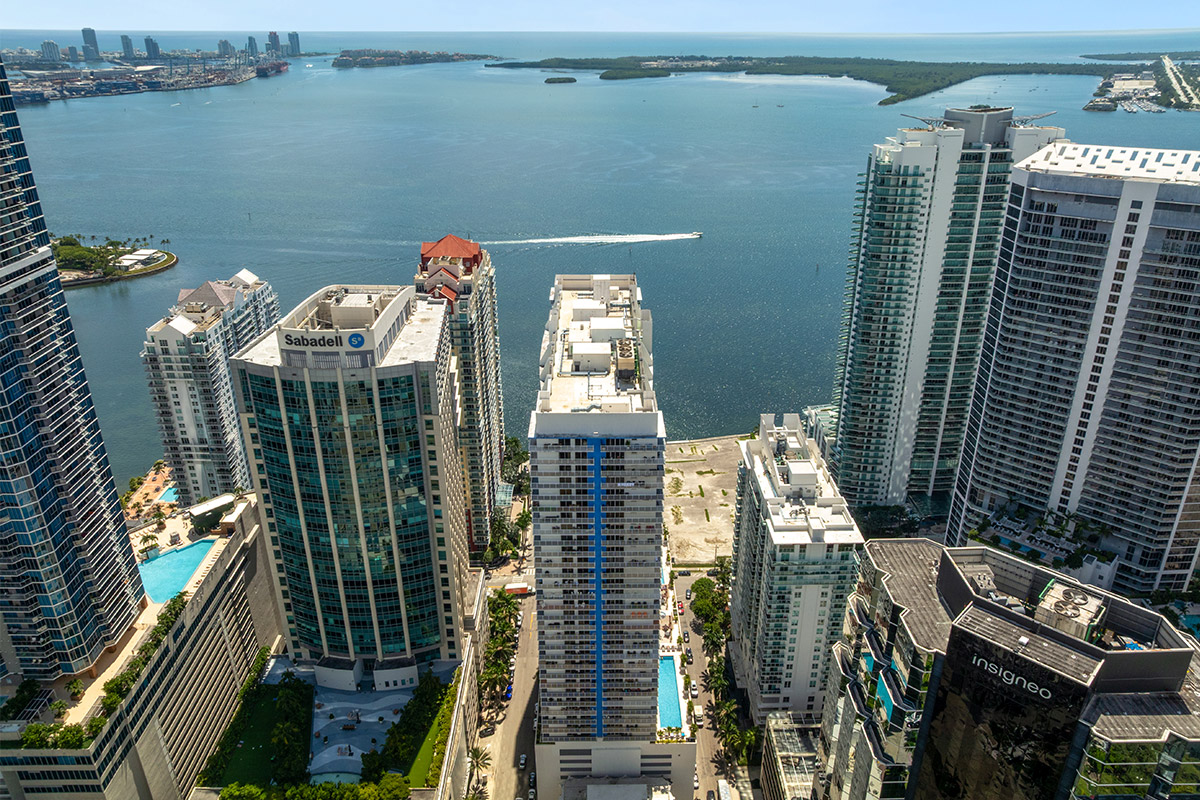
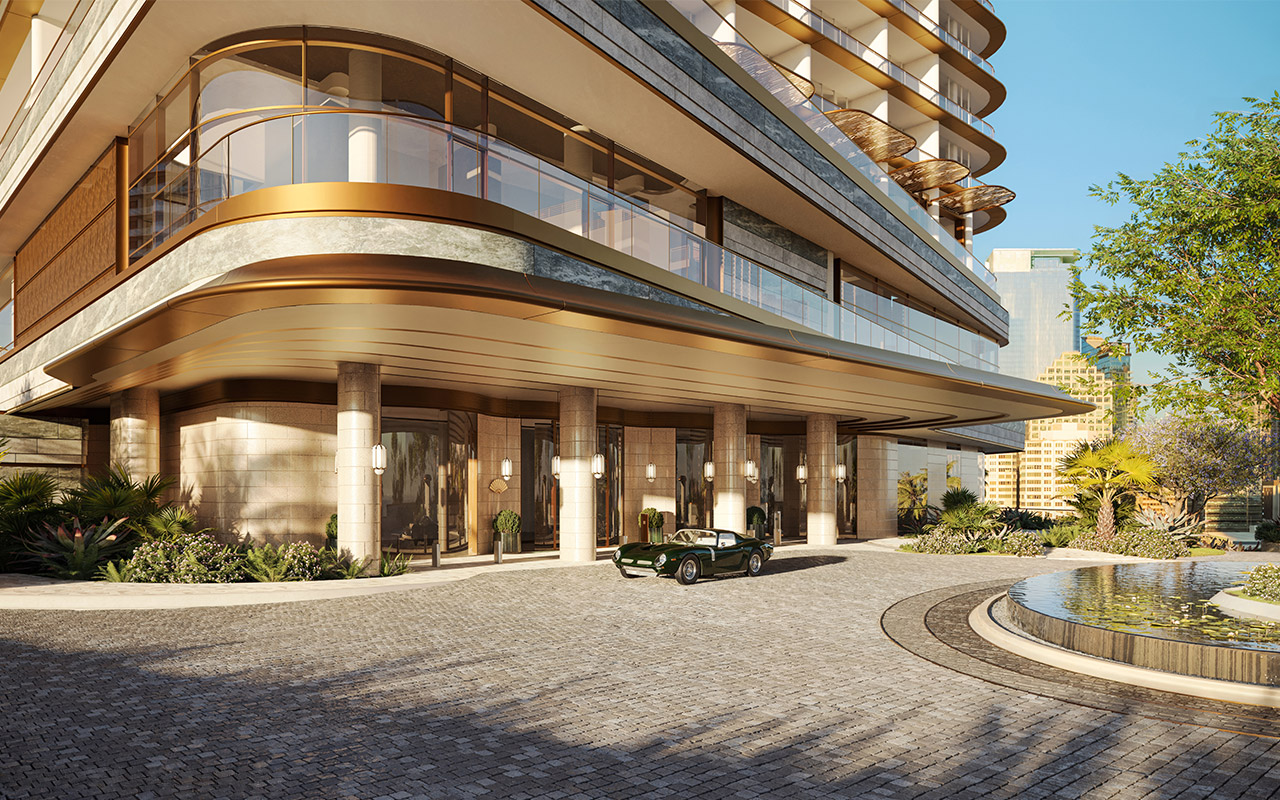
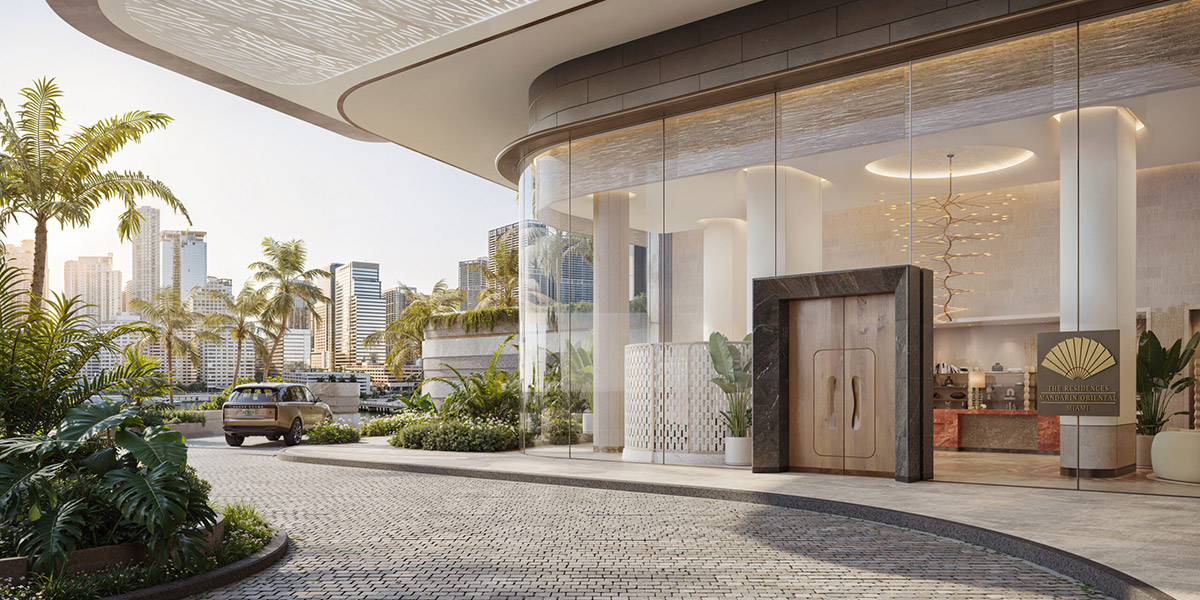
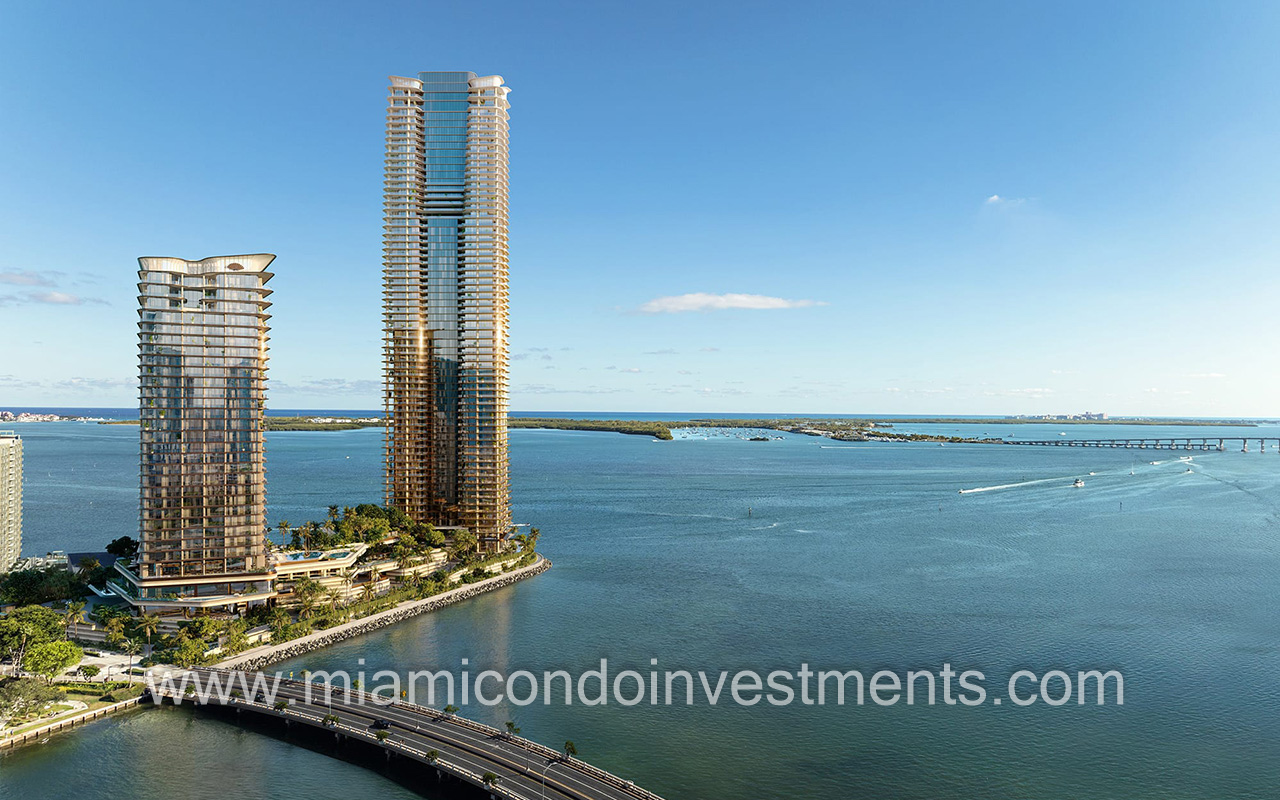
The highly anticipated Mandarin Oriental North Tower Private Residences has officially been released, marking a new chapter for Brickell Key and for Mandarin Oriental’s presence in Miami. Positioned on the southernmost tip of the island, the North Tower will serve as the new flagship for Mandarin Oriental in North America, introducing an exclusive collection of just 70 fully finished private residences with sweeping views of Biscayne Bay, the Atlantic Ocean, and the Miami skyline. The project also includes 28 Hotel Collection Residences, with all but two already sold, reflecting strong global interest and limited future availability.
Architectural Scale and Residential Design
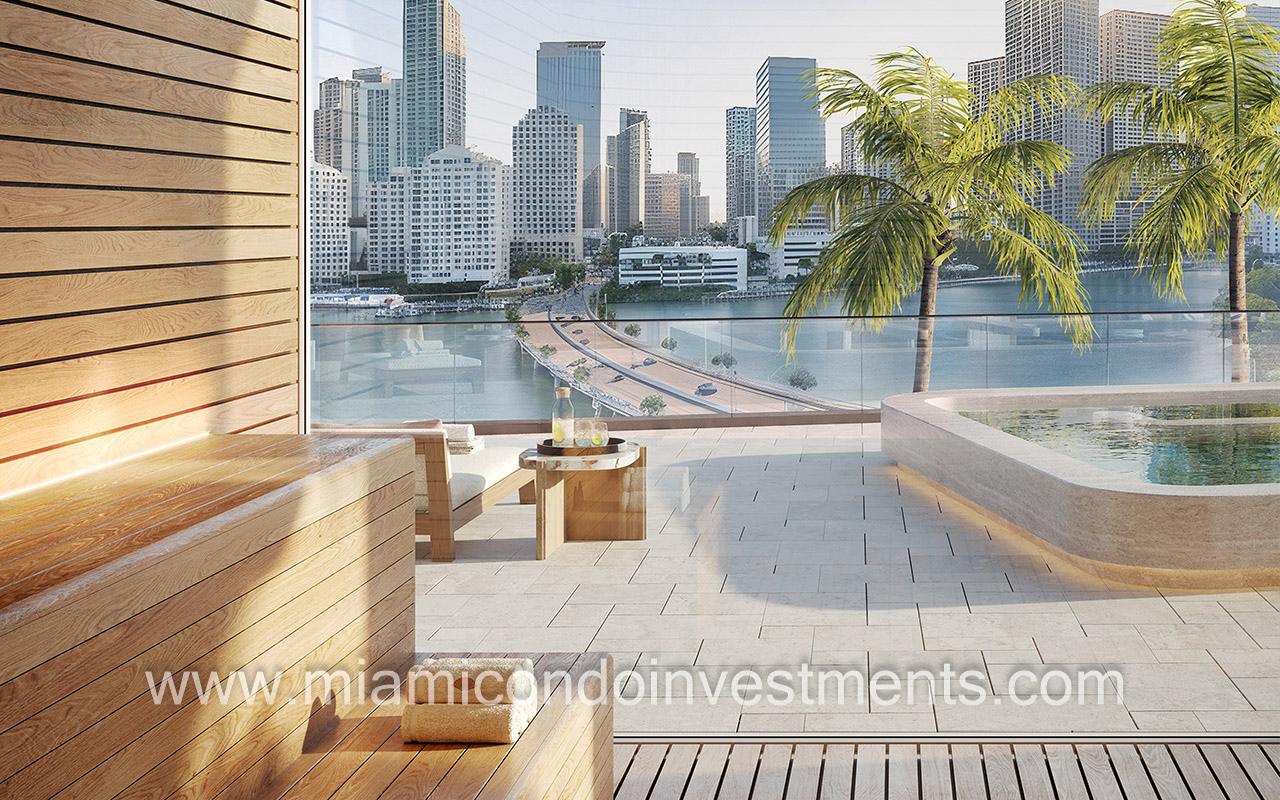
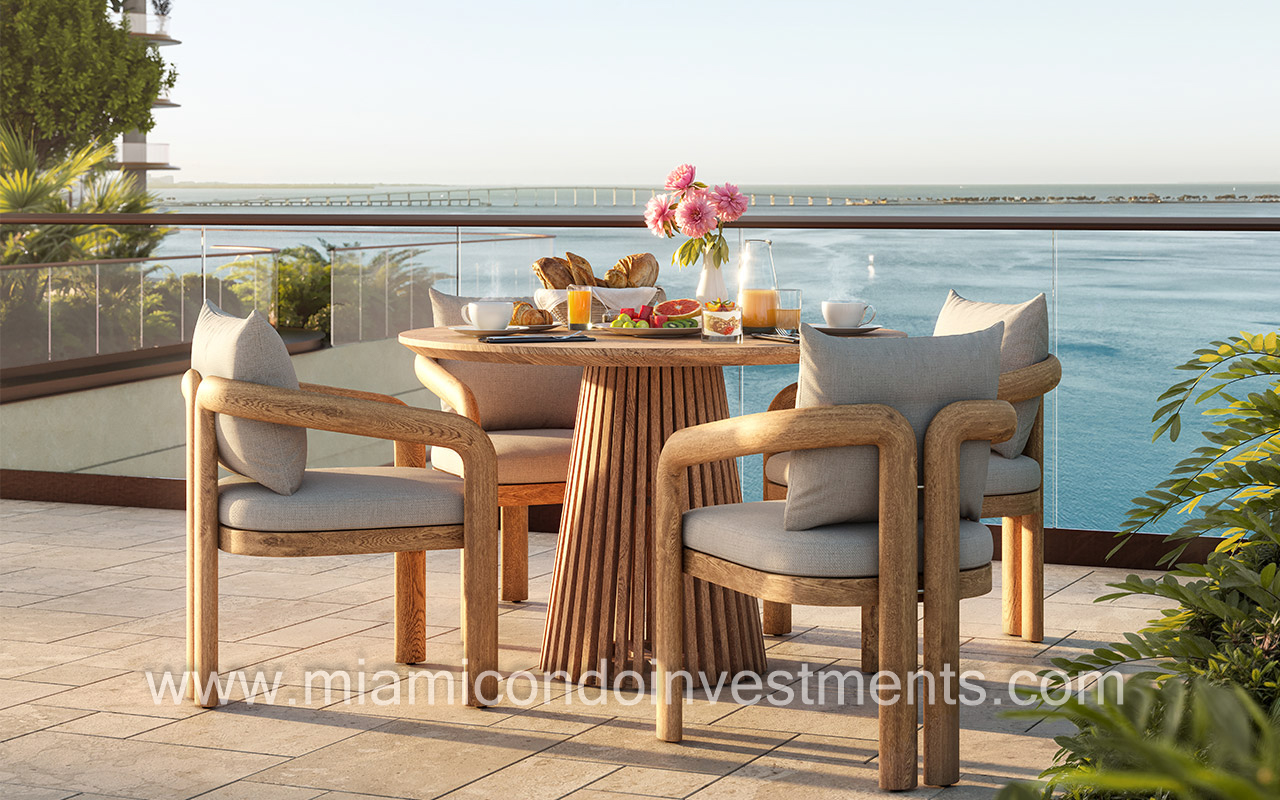
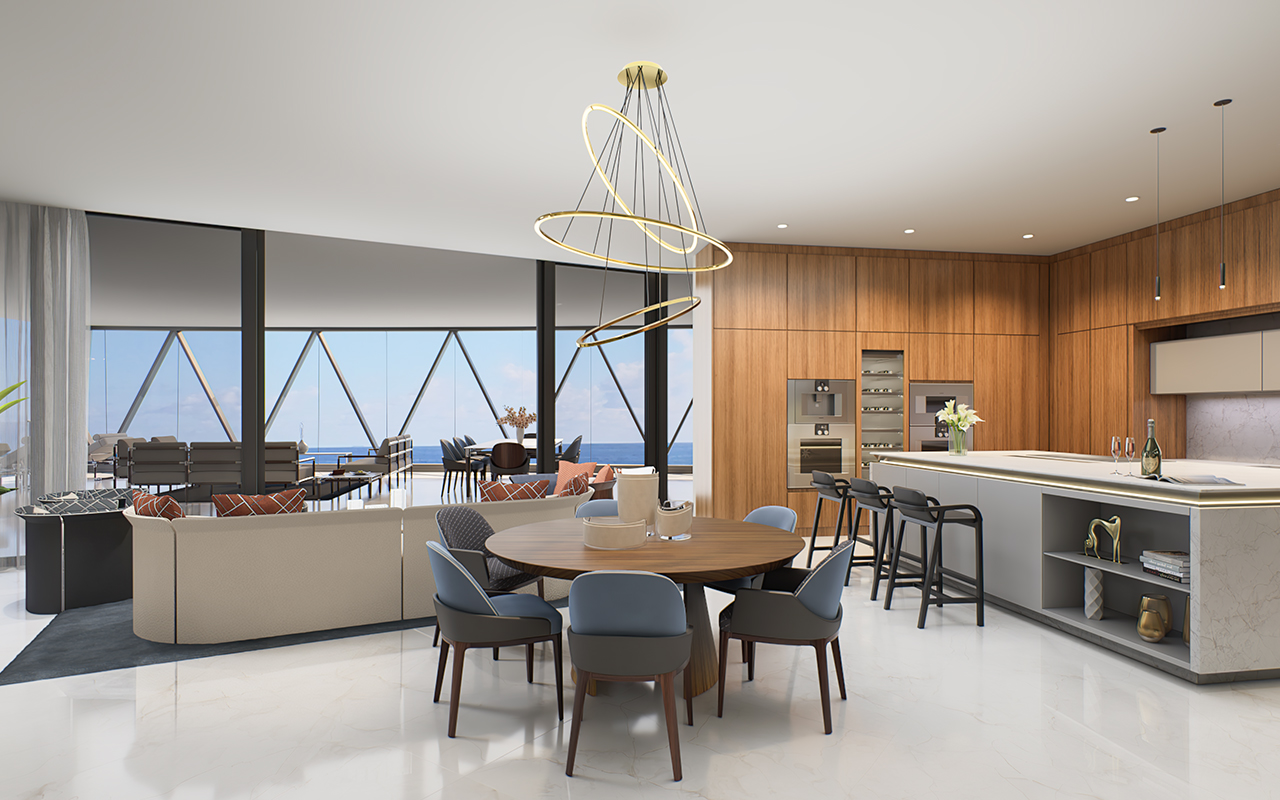
Rising 33 stories, the Mandarin Oriental North Tower Private Residences offers two- to four-bedroom floor plans designed for seamless indoor–outdoor living. Homes feature floor-to-ceiling glass, generous private terraces, spa-inspired baths, premium natural materials, and custom Italian kitchens with luxury appliance packages. Residences are delivered fully finished (but not furnished), giving owners a turnkey foundation while still allowing personalization through interior design.
Pricing and Market Position
Private Residences at the Mandarin Oriental North Tower begin from $3,975,000, positioning the offering among Miami’s top-tier branded waterfront residential developments. With the combination of a globally recognized hospitality brand, a private island environment, and highly limited inventory, the tower appeals to both end-users and long-term luxury investors seeking premium Miami real estate with global recognition and service-driven value.
Amenities, Service, and Lifestyle
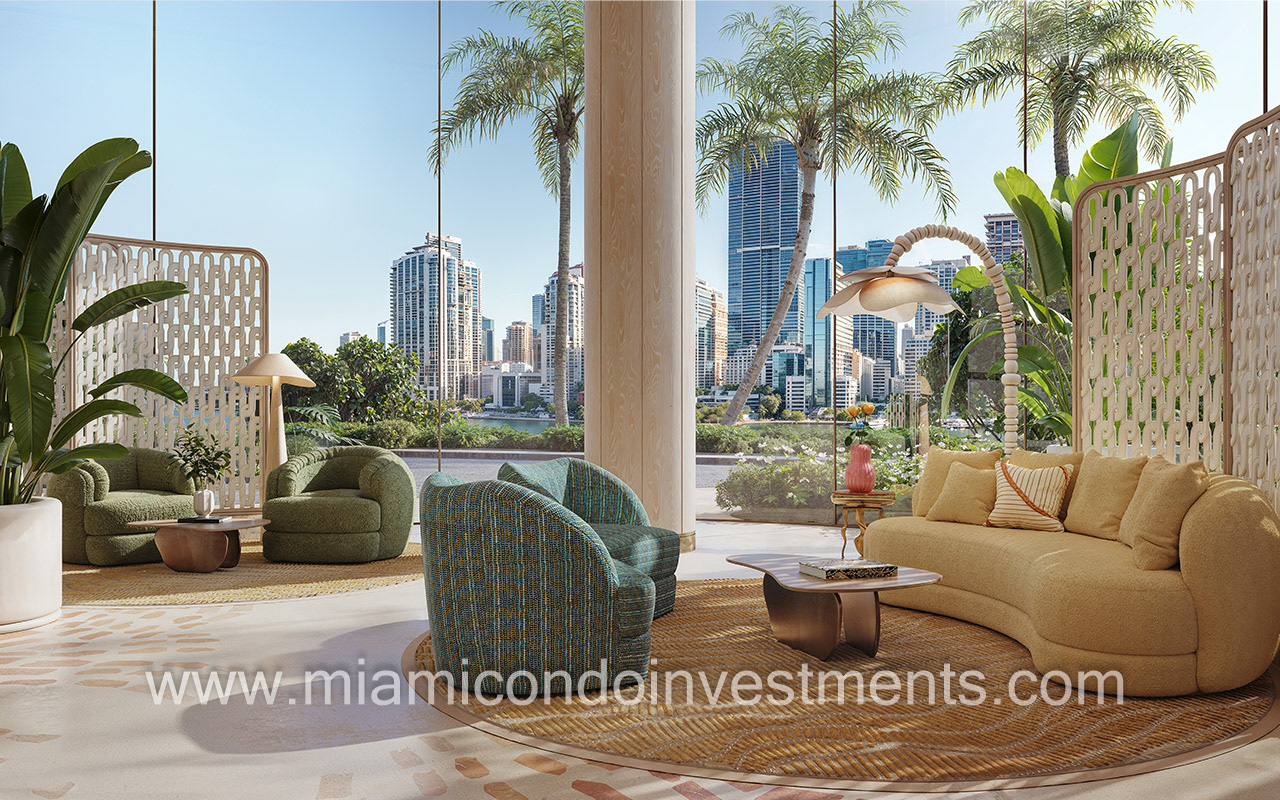
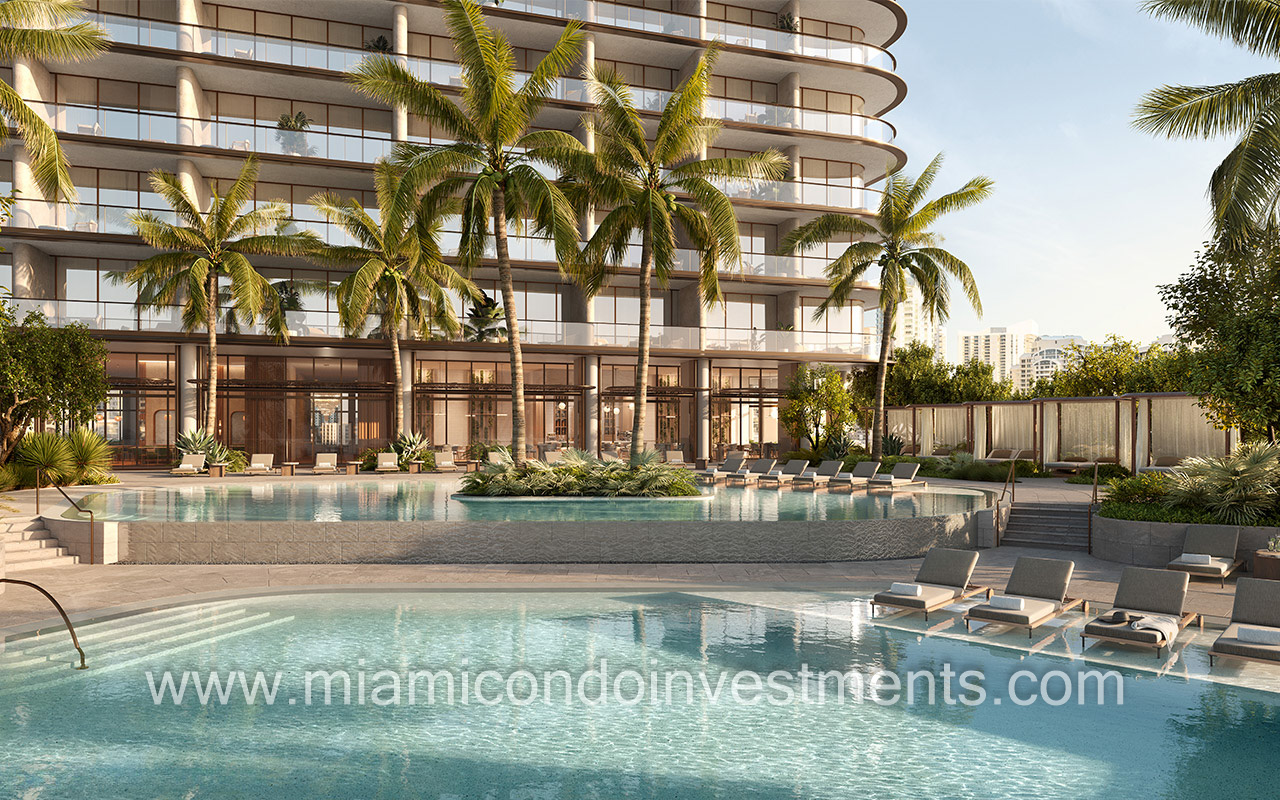
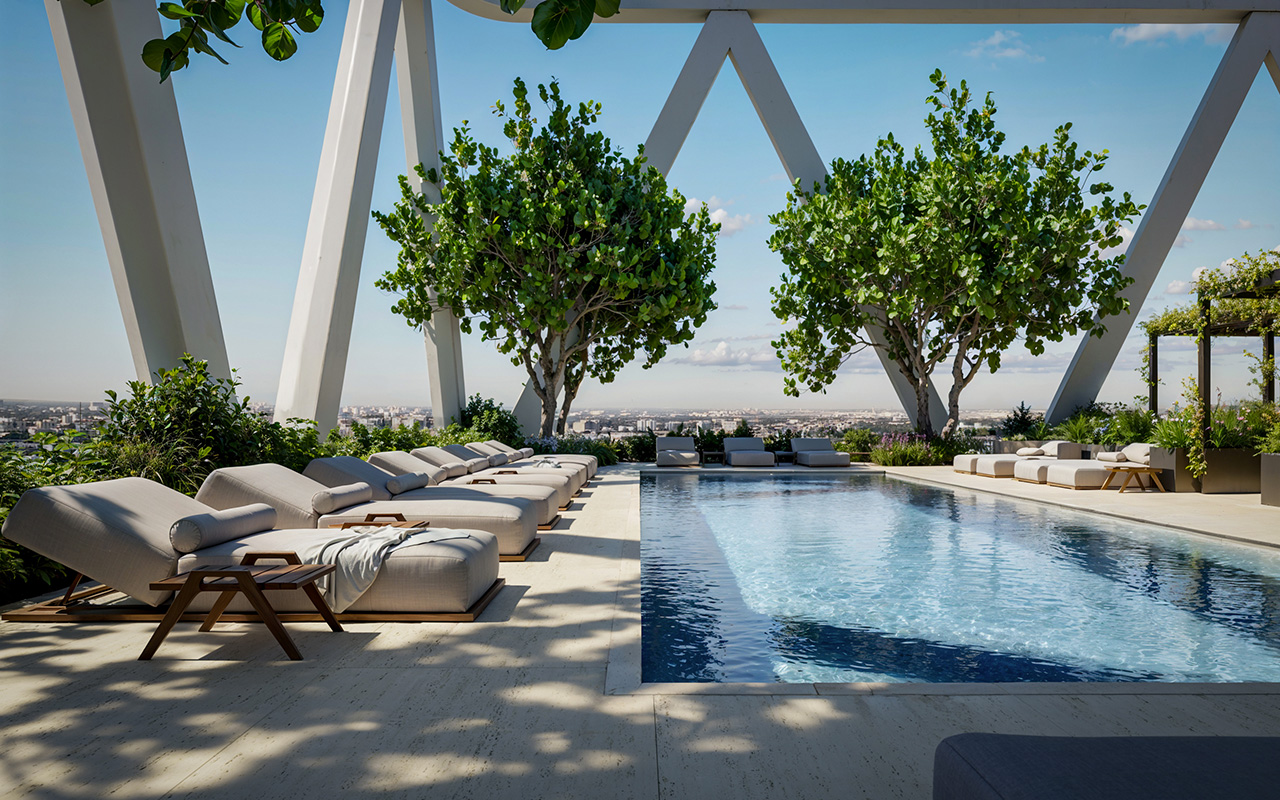
Residents will have access to over 80,000 square feet of amenities, shared between the residential towers and the next-generation Mandarin Oriental hotel. Planned amenities include resort-style pools, signature dining venues, luxury lounges, curated wellness facilities, and lush waterfront landscaping. Services are expected to include Mandarin Oriental-trained concierge, valet, housekeeping, lifestyle programming, and in-residence spa services, aligning with the brand’s global reputation for privacy, attention to detail, and guest experience.
Prime Waterfront Location
Located at the southern end of Brickell Key, the tower offers one of the most private and tranquil waterfront residential settings in Miami, while still being minutes from the urban energy of Brickell Avenue. Residents will enjoy proximity to Brickell City Centre, Downtown Miami, Miami Design District, South Beach, and Miami International Airport, making it an ideal home base for both full-time and seasonal residents seeking exclusive, service-rich living.
Learn More and Schedule a Private Presentation
For additional details, pricing, or floor plans, visit the link below:
Sales Officially Launch for Colette Residences in South Brickell
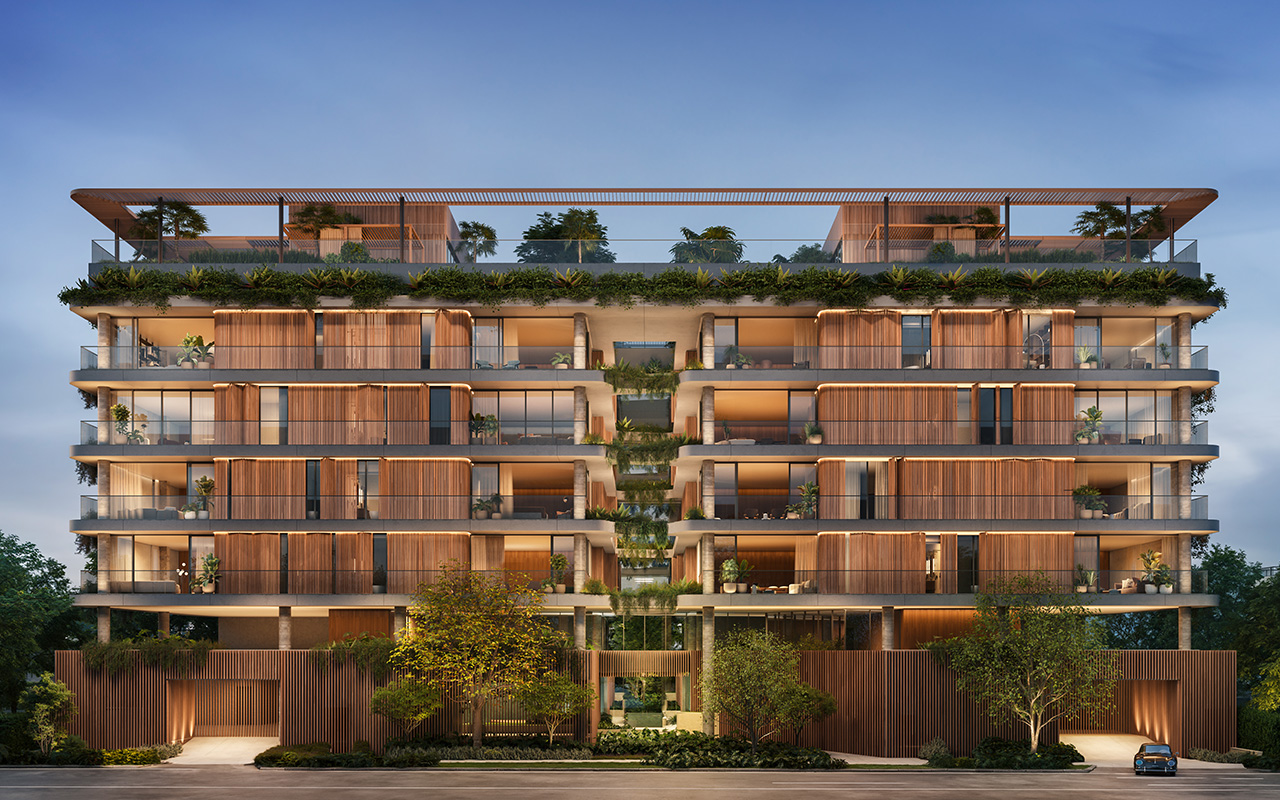
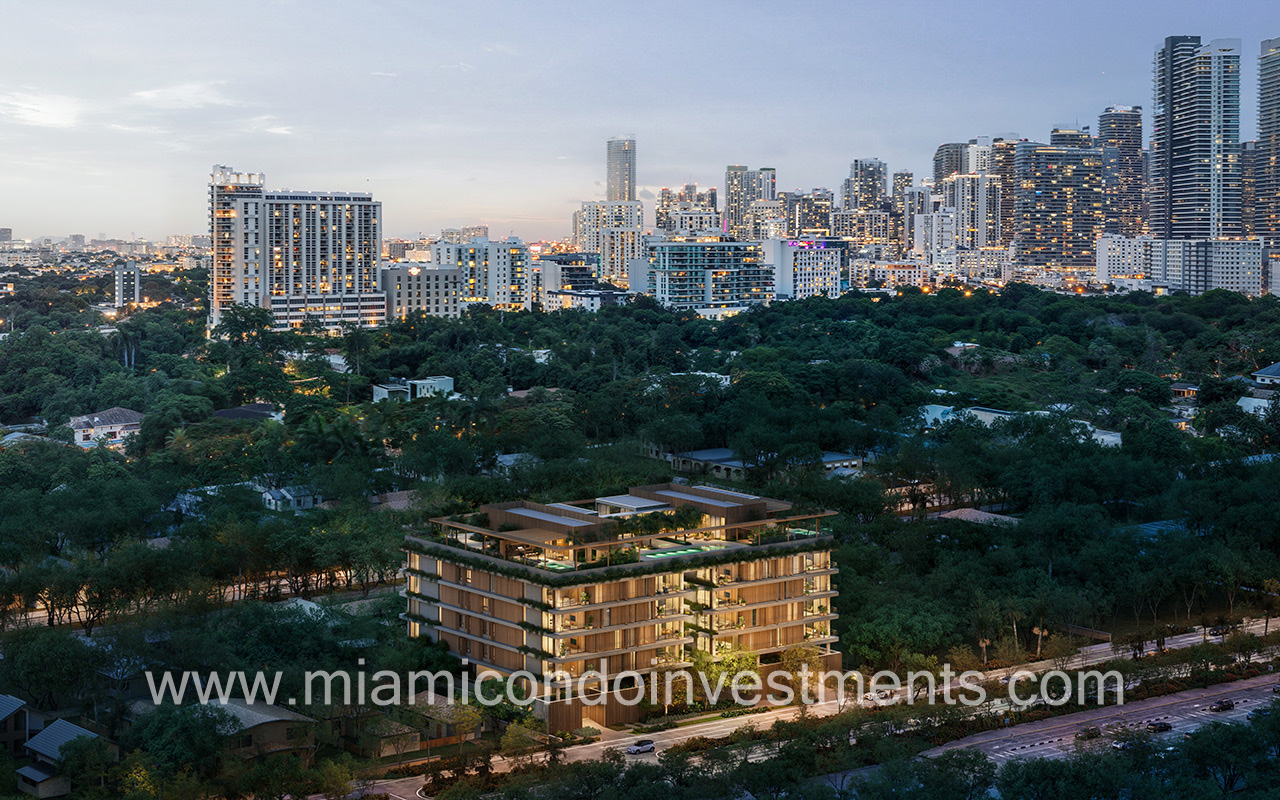
Sales have officially launched for Colette Residences, a new pre-construction boutique luxury condominium development located at 1880 Brickell Avenue in South Brickell — and the sales gallery is now open for private presentations and reservations. Designed for a highly selective buyer pool seeking serenity, privacy, and elevated design, Colette Residences will offer just 38 total homes across five stories, positioning it among Miami’s most limited-edition new-development offerings.
Developed by Meta Development, Colette brings together award-winning global talent including OSPA as design architect and interior designer, Bellon Architecture as architect of record, and David O. Design for landscape architecture . The project is now accepting reservations, with an expected delivery in 2028.
Residences at Colette feature expansive floor plans ranging from 2,144 to 3,180 square feet, with a collection of two-, three-, and four-bedroom homes, including exclusive terrace residences, garden residences, and two penthouses measuring 5,916 and 6,128 square feet, each with private rooftop pools and outdoor summer kitchens . Homes will offer floor-to-ceiling impact glass, private wraparound terraces, and direct password-protected elevator entry to each residence .
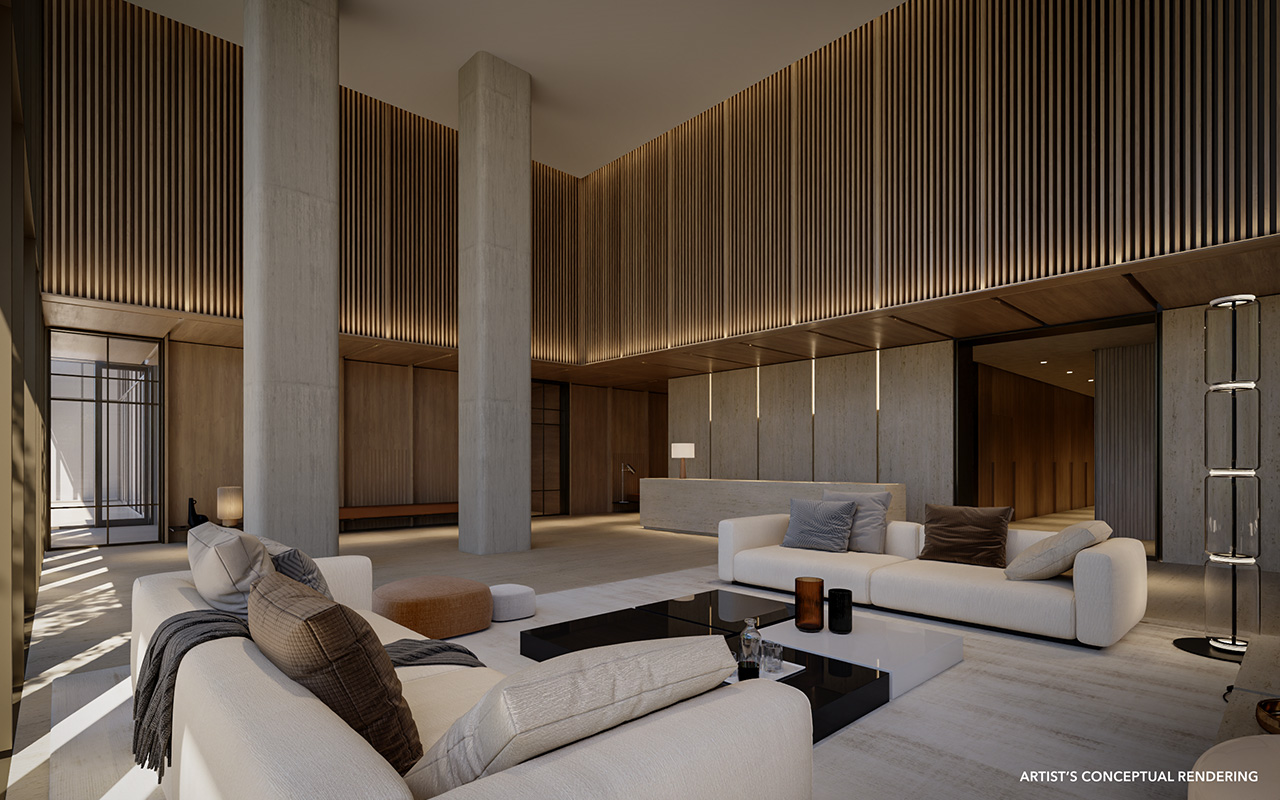
Luxury interior finishes include custom Italian millwork by CESAR, mineral-based INALCO countertops, PORCELANOSA flooring, Miele appliance suites, 78-bottle wine coolers, and LEMA-designed closets . Pricing begins from $3.3 million.
Amenity-Rich Living for Only 38 Residences
Although boutique in scale, Colette features over 15,000 square feet of amenities, highlighted by a 50-foot rooftop pool, 5,200-square-foot sun deck, TECHNOGYM fitness center with outdoor wellness deck, full-service spa with jacuzzi, sauna, and treatment room, screening room, children’s playroom, meeting room, and indoor/outdoor entertainment lounges .
Residents will also enjoy 24/7 concierge, advanced access control, private storage, covered parking with 2–3 assigned spaces, optional valet, and EV charging stations .
Prime Location in South Brickell
Colette will be located in South Brickell, one of Miami’s most discreet residential enclaves, located between the urban energy of Brickell and the waterfront lifestyle of Coconut Grove. The address places owners minutes from The Underline, Brickell City Centre, Mary Brickell Village, Key Biscayne, and Coconut Grove, while maintaining a private and low-density character distinct from the high-rise landscape nearby.
Ken Griffin to Develop a Private Superyacht Marina on Miami Beach’s Terminal Island
Courtesy of BMA Architects
A Major New Waterfront Project by One of America’s Wealthiest Investors
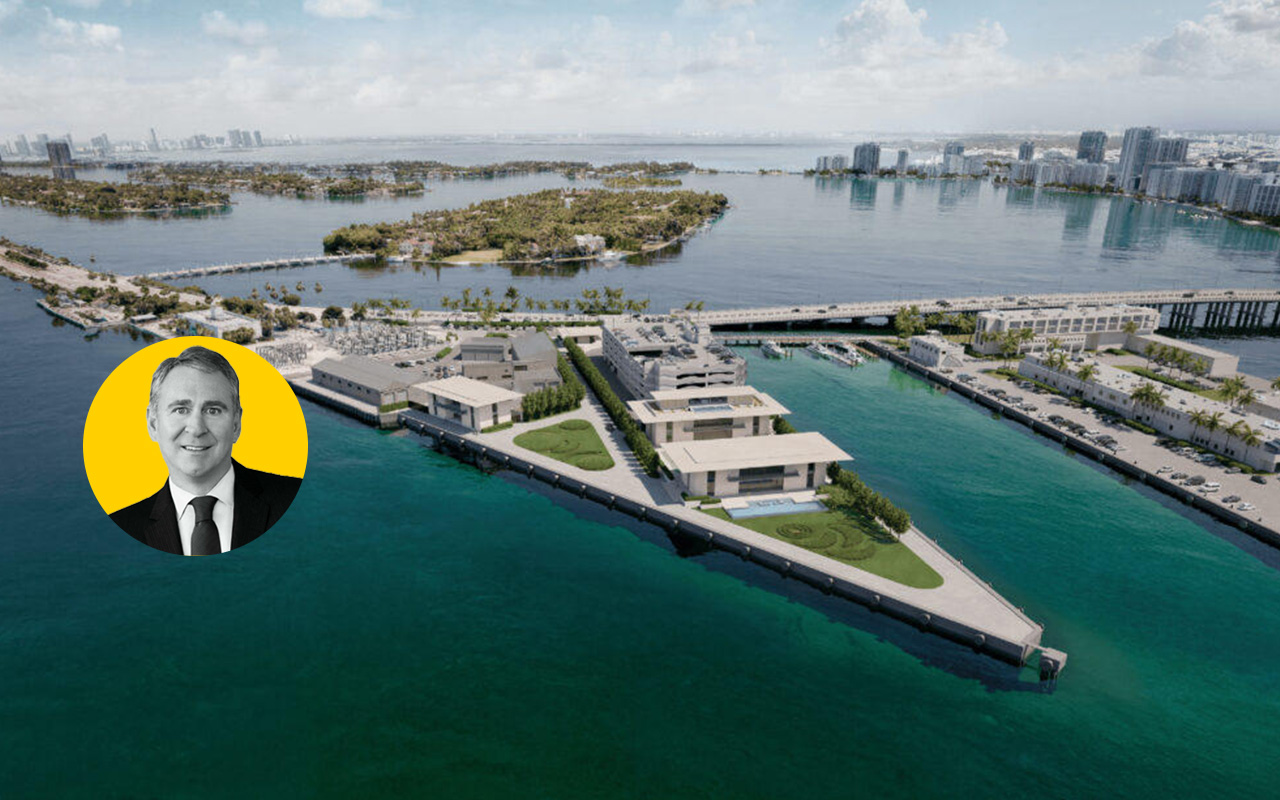
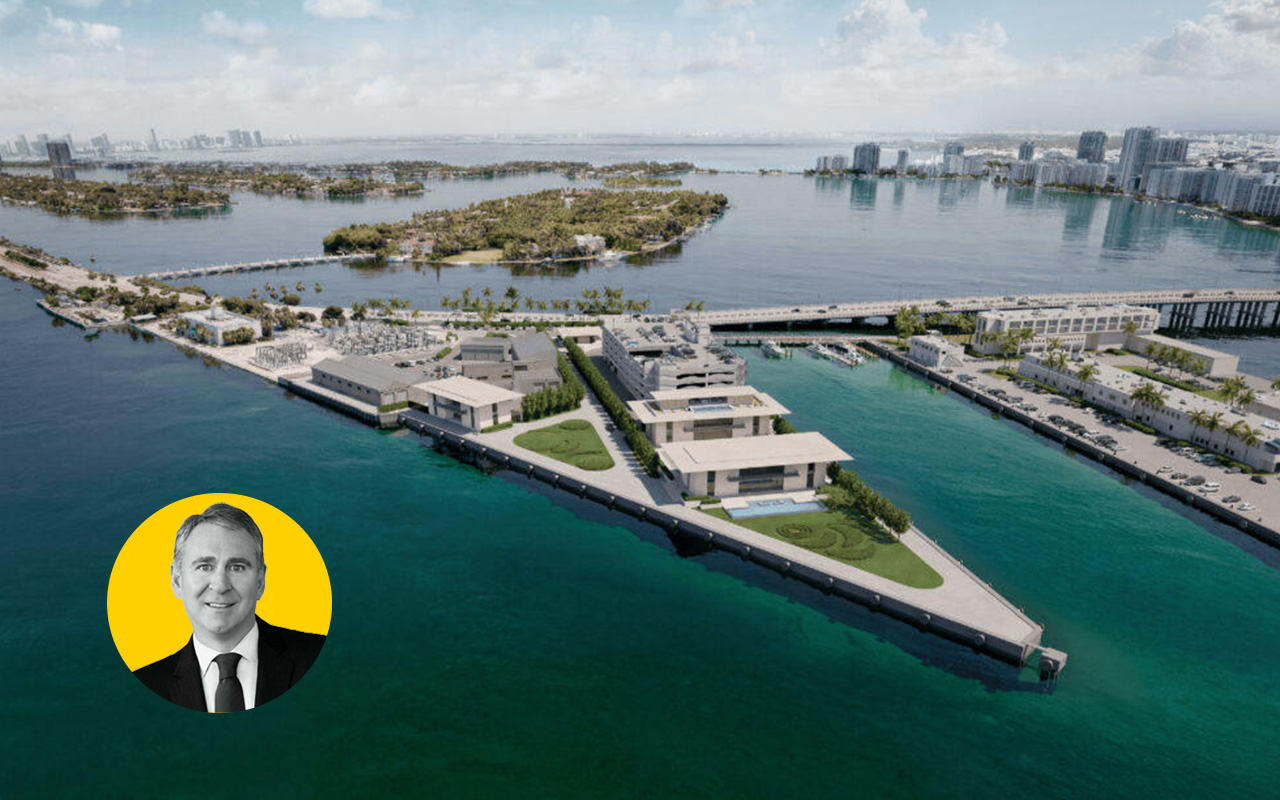
Billionaire hedge-fund founder Ken Griffin has received approval to develop a private superyacht marina on Miami Beach’s Terminal Island, adding yet another landmark project to his expanding South Florida footprint. The marina—intended exclusively for Griffin, his vessels, and his guests—marks one of the most unique and high-end waterfront developments undertaken in Miami Beach in recent years.
What the Marina Will Include
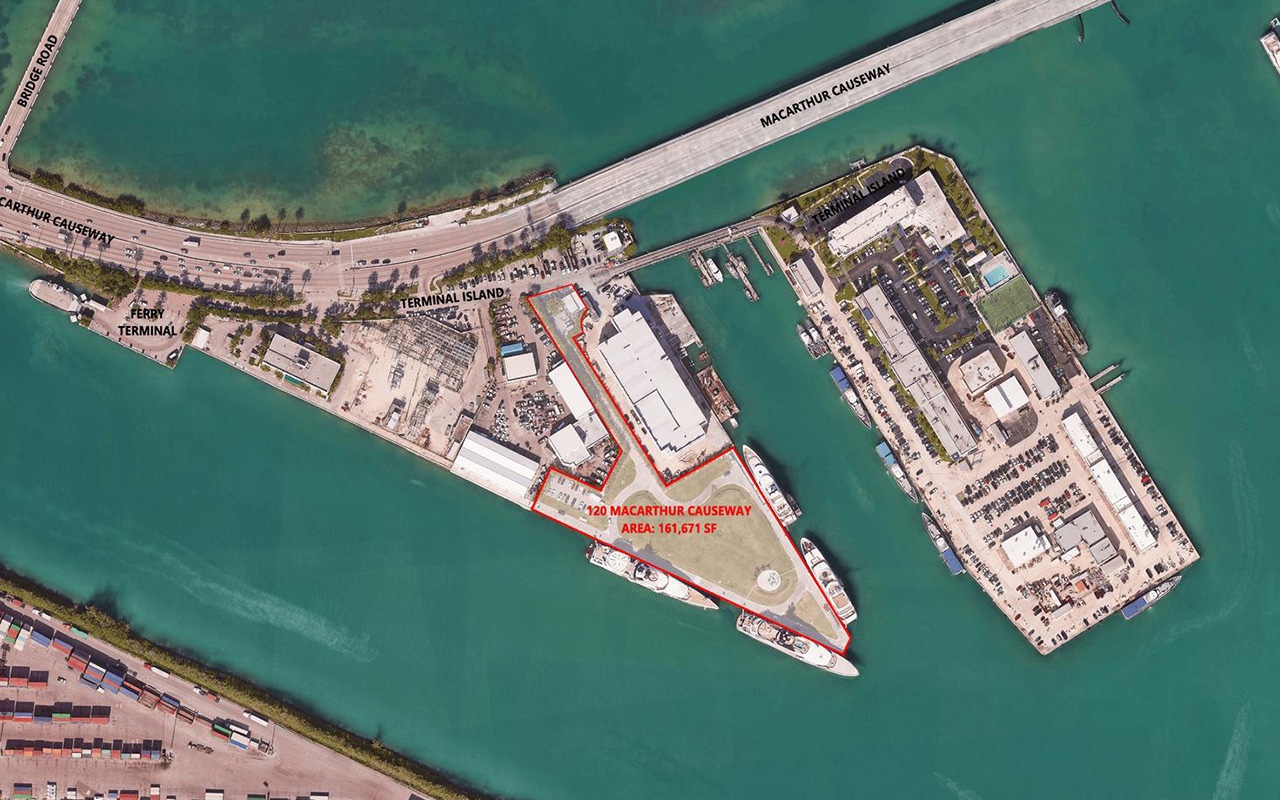
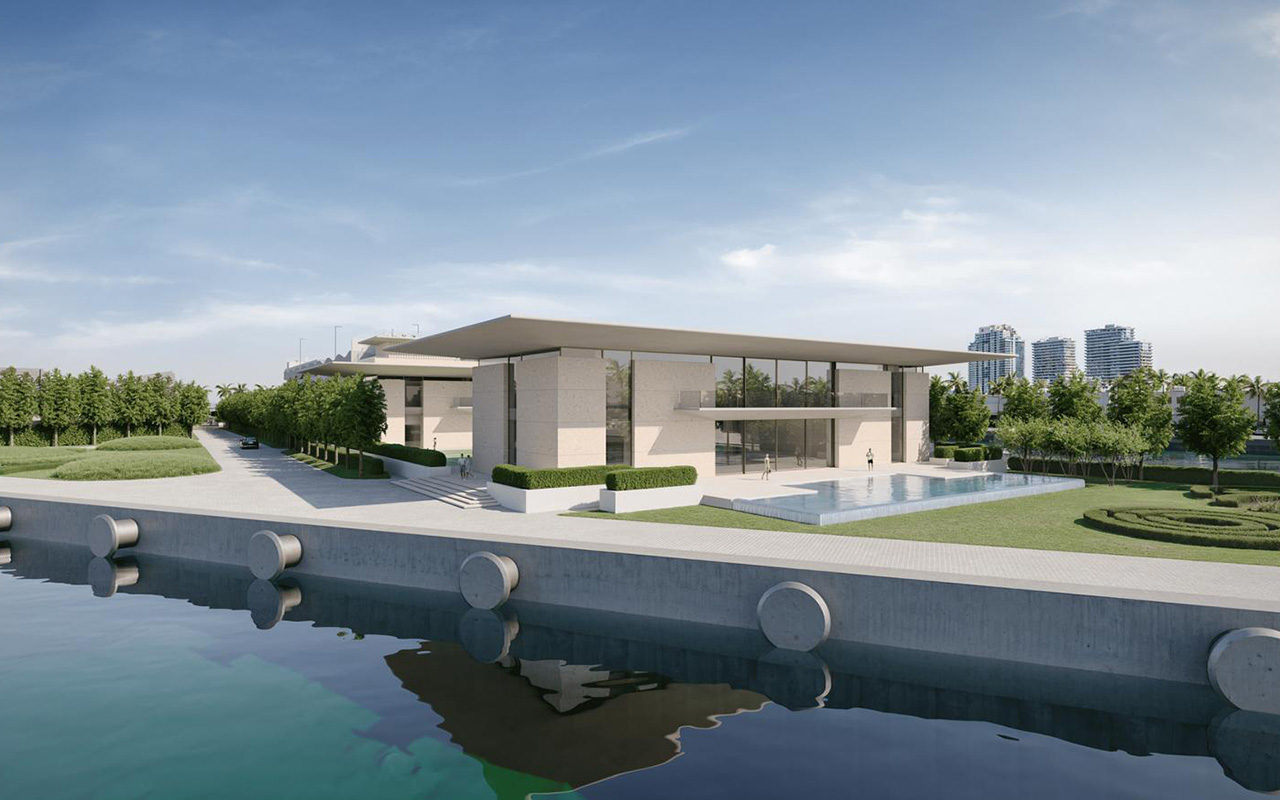
According to city planning documents, the approximately 3.7-acre site will be transformed into a highly specialized, ultra-private maritime facility. Plans call for roughly six deep-water slips capable of accommodating large superyachts, including vessels exceeding 300 feet. The design includes multiple purpose-built structures: a gatehouse with security offices, a crew pavilion with gym, sauna, and rooftop pool, an operations building with repair shop and staff offices, and a luxury owner’s pavilion featuring its own pool, lounge, and entertainment spaces. The total built program is expected to exceed 30,000 square feet.
City Approval and Conditions
The Miami Beach Planning Board granted the necessary conditional use permit, though with several required stipulations. Any special events held on-site will require coordination with the U.S. Coast Guard due to the marina’s proximity to major maritime operations. All parking must remain self-contained on Terminal Island, ensuring no spillover into surrounding neighborhoods. And should the marina ever change ownership, the new owner must return to the board for review. Approval represents a significant milestone for Griffin, whose development plans continue to reshape parts of Miami and Miami Beach.
Courtesy of BMA Architects
Why Terminal Island Is a Strategic Choice
Terminal Island sits between South Beach and PortMiami, offering rare deep-water access and maritime infrastructure capable of supporting the world’s largest private yachts. Few waterfront parcels in Miami Beach can accommodate this scale of vessel operations. The site’s location near the cruise port, MacArthur Causeway, and major shipping channels further elevates its appeal. As marine experts noted in early reporting, the site benefits from exceptional depth and maneuverability—qualities that are increasingly scarce in Miami’s built-out waterfront.
Impact on Miami’s Luxury Landscape
Griffin’s move signals a continued deepening of investment in Miami following the relocation of Citadel and Citadel Securities to the city. Beyond his corporate presence, Griffin has been actively acquiring prime land in both Miami Beach and Brickell, including the site of what is slated to become one of Miami’s tallest office towers. This private marina further underscores Miami’s growing traction as a global hub for ultra-luxury yachting, complementing the region’s expanding ecosystem of high-net-worth residents, large-scale events, and bespoke services.
Courtesy of BMA Architects
A New Chapter for Terminal Island
Historically an industrial and logistics zone, Terminal Island is now seeing renewed interest from private and institutional investors. Griffin’s marina is poised to set a new benchmark for exclusivity and design, transforming a utilitarian waterfront into a prestigious amenity for one of the world’s wealthiest individuals. As construction progresses, the project is expected to bring heightened attention to Miami Beach’s limited deep-water inventory and its future potential.
Regalia on the Bay: Fully Approved 82-Story Development Site in Downtown Miami Heads to Auction
Credit: ONE Commercial
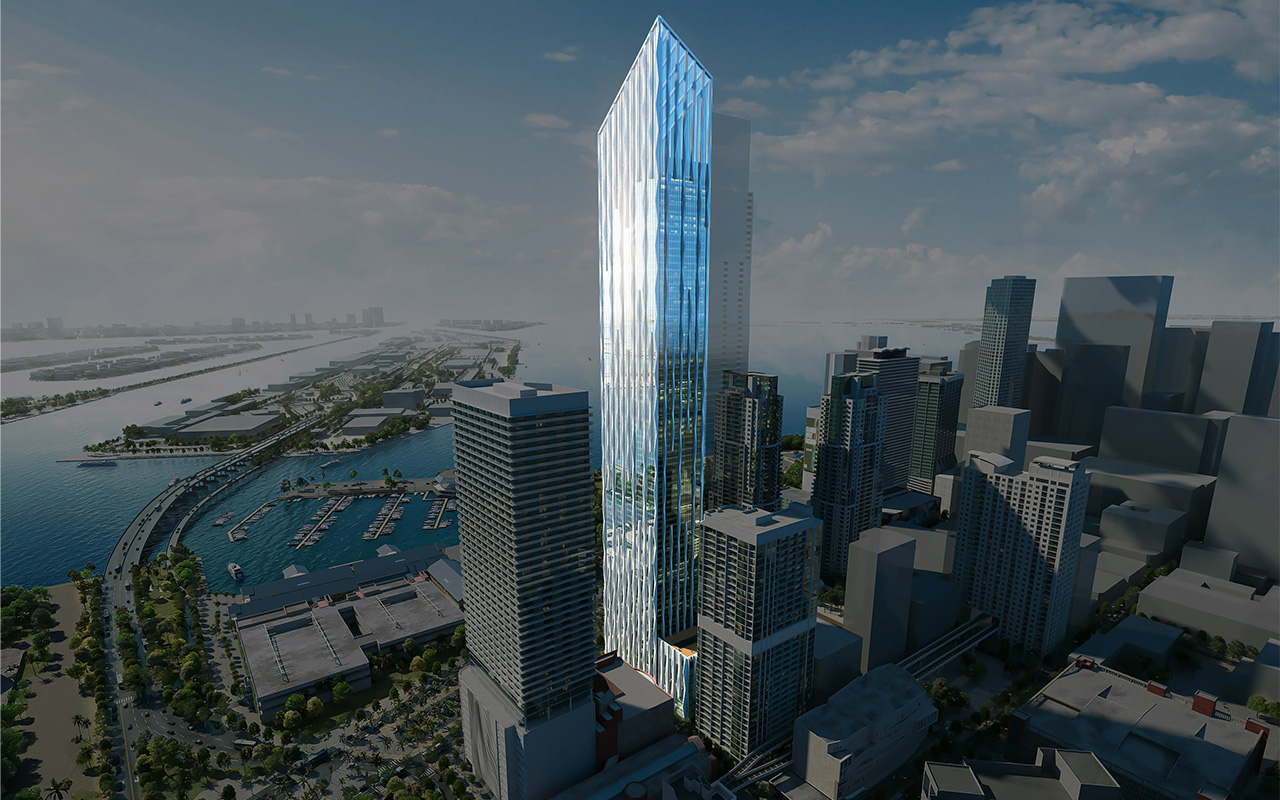
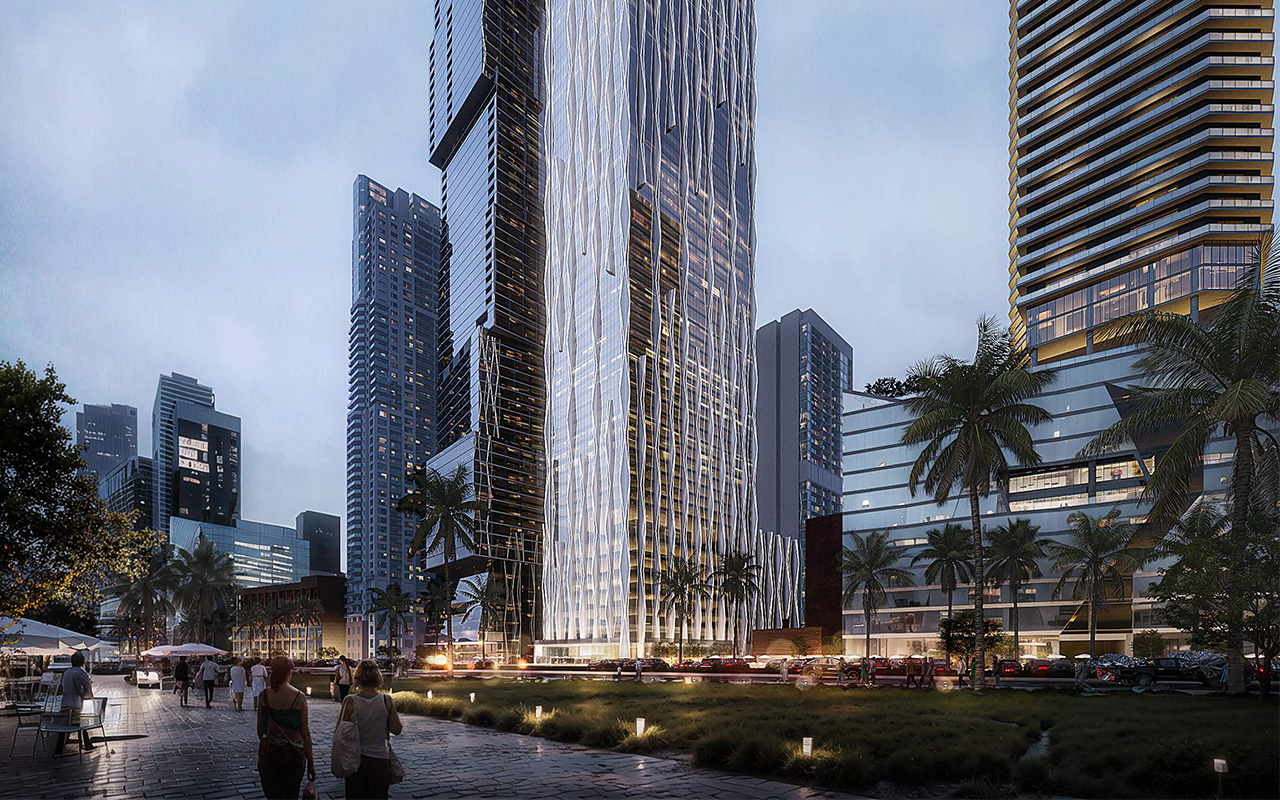
A landmark opportunity to redefine Downtown Miami’s skyline will soon go to auction. The fully approved Regalia on the Bay, located at 340 Biscayne Boulevard, is set to be auctioned by Sotheby’s Concierge Auctions this December—offering one of the most significant mixed-use development opportunities in South Florida.
Credit: ONE Commercial
A Once-in-a-Generation Opportunity on Biscayne Boulevard
Currently operating as a Holiday Inn, the 0.91 ± acre site occupies one of the last large parcels on Biscayne Boulevard. The hotel will cease operations at the end of 2025, paving the way for redevelopment into an ultra-luxury supertall tower designed by Arquitectonica.
The project is fully entitled and approved for an 82-story mixed-use high-rise comprising approximately 1,439,352 ± square feet of gross development area and 959,568 + square feet of net sellable area, including:
374 luxury condominium residences
120-key hotel
Office and commercial spaces
500 parking spaces
The property presents a rare opportunity to develop one of the last large-scale waterfront sites in the heart of Downtown Miami.
Bidding Details
The property is listed for $175 million and will be sold without a minimum bid requirement—allowing the market to set the price.
Online bidding opens: December 3, 2025 at 5 p.m. ET
Live auction: December 17, 2025 at Sotheby’s New York
Bidder deposit required: $250,000 USD (refundable to non-winning bidders)
Auction platform: Sotheby’s Concierge Auctions
All bidders must be pre-qualified with Sotheby’s Concierge Auctions prior to the start of the auction.
Credit: ONE Commercial
Surrounded by Landmark Towers in Miami’s Luxury Corridor
Situated in Miami’s fast-evolving downtown core, Regalia on the Bay is surrounded by world-class developments including Waldorf Astoria Residences Miami, Aston Martin Residences, One Thousand Museum, and E11EVEN Hotel & Residences. The neighborhood has become a focal point for luxury residential growth, attracting global investors, high-net-worth buyers, and corporations relocating to South Florida.
Prime Location & Connectivity
The site’s coveted position at 340 Biscayne Boulevard offers direct access to Bayfront Park, the Pérez Art Museum Miami (PAMM), the Kaseya Center, Miami Worldcenter, and Brickell City Centre. The nearby Brightline station, Metromover, and Port of Miami provide seamless regional and international connectivity.
“Regalia on the Bay is a rare opportunity to shape Miami’s iconic skyline,” added Gabriel Flores, Vice President and Managing Broker of ONE Commercial. “Located along prestigious Biscayne Boulevard and framed by landmark towers, this premier site awaits a visionary buyer ready to define the next chapter of Miami luxury.”
Tokenizing Real Estate: Why Web3 Is Poised to Revolutionize Property Ownership
The real estate industry is on the brink of a digital revolution—and tokenization is at the heart of it. In a dynamic panel discussion held during a recent Web3 conference in Miami, real estate developer Diego Ojeda (The Rider Residences), Eric Mendelson from Avanti Way Realty, and David Saul Acosta representing E11EVEN Miami shared their bold insights on how blockchain, tokenized assets, and crypto-backed financing are reshaping the property landscape.
Now available to watch in full, this must-see video reveals what tokenization actually means, how it works in practice, and what it could mean for global investors, developers, and brokers.
What Is Tokenized Real Estate?
Tokenization refers to dividing real estate ownership into digital tokens on a blockchain, allowing for fractional ownership, borderless transactions, and far greater liquidity. The panel kicked off by exploring what tokenizing a property really means—”freedom,” “democratization,” and “access” were common themes echoed by all speakers.
How The Rider Residences Became a Crypto Trailblazer
Developer Diego Ojeda discussed how his project, The Rider Residences in Wynwood, has become a poster child for crypto-integrated sales. Following a viral crypto transaction that was even tweeted by Miami Mayor Francis Suarez, the project has embraced digital assets through strategic partnerships with fintech companies like Milo, allowing buyers to collateralize Bitcoin without liquidating.
Crypto’s Impact on Capital Raising and Ownership Structures
The panel explored how Web3 is changing how developers raise capital. Diego shared how tokenization—like his prior $16M raise via crowdfunding at Mohawk at Wynwood—unlocks entirely new buyer pools globally. By offering white-glove rental management and fully furnished units with no rental restrictions, The Rider is positioned as a prime candidate for tokenized ownership.
Why the U.S. Market May Lag Behind Internationally
Eric Mendelson from Avanti Way Realty highlighted how other regions, such as Dubai and Colombia, are already embracing tokenized platforms due to limited access to mortgage financing. In the U.S., he believes tokenization will gain traction slowly—but with the right education and strategic partnerships, it’s only a matter of time.
E11EVEN Hotel & Residences: A Web3 Case Study in Hospitality & Lifestyle Real Estate
David Saul Acosta spoke about 11 Hotel & Residences, one of the first major developments in Miami to accept crypto for deposits and purchases. With over $1B in sales, the success of E11EVEN’s integration of Web3 principles shows the power of aligning brand, audience, and technology. Their partnership with PMG and emphasis on understanding the crypto-native buyer was key to their success.
Misconceptions and Education: The Broker’s Role
Eric noted that despite growing crypto adoption, 99% of real estate agents in Miami still don’t know how to handle crypto transactions. Through his crypto real estate division at Avanti Way, he’s training agents to understand compliance, capital gains strategies, and how to leverage crypto—not just convert it.
Final Thoughts: Web3 in Real Estate Is Here to Stay
The panel concluded with a clear message: developers who embrace Web3 early—through tokenization, strategic partnerships, and authentic engagement with the crypto community—will be ahead of the curve. The Rider Residences, E11EVEN Hotel & Residences, and Avanti Way are living proof that real estate and blockchain are no longer separate worlds.
Dezer Development Secures $630 Million Construction Loan for Bentley Residences in Sunny Isles Beach
Dezer Development has officially closed a $630 million construction loan from Madison Realty Capital to finance the highly anticipated Bentley Residences in Sunny Isles Beach. The deal, announced on November 5, 2025, represents one of the largest construction loans in South Florida this year and underscores continued confidence in the region’s ultra-luxury condo market. Located at 18401 Collins Avenue, the 63-story tower will be the world’s first Bentley-branded residential building and is already over 50 percent pre-sold.
A Landmark Deal in South Florida’s Luxury Market
The $630 million loan marks a major milestone for the project, ensuring that construction moves forward at full speed. The financing reflects strong lender confidence in both Dezer Development and the luxury-branded residence segment, which has thrived in recent years despite broader market uncertainty.
Design, Amenities, and the “Dezervator”
Designed by Sieger Suarez Architects, Bentley Residences will rise 63 stories and feature 216 oceanfront residences, each combining elegant automotive-inspired design with sophisticated coastal living. Every unit will include private terraces—some with pools—along with Gaggenau kitchens, Italian cabinetry, and spa-style bathrooms. Among its standout amenities will be a cigar lounge, whiskey bar, private restaurant by chef Todd English, wellness spa, and a 20,000-square-foot oceanfront pool deck.
A signature feature of the project will be Dezer’s patented “Dezervator” car elevator system, allowing residents to drive directly into their private sky garages. This amenity, first introduced at the Porsche Design Tower, has become a hallmark of Dezer’s developments, marrying engineering innovation with luxury convenience.
The Vision Behind Bentley Residences
Gil Dezer, president of Dezer Development, continues to redefine luxury living in Sunny Isles Beach through partnerships with global brands like Porsche and Bentley. By integrating automotive design principles into architecture, Dezer aims to offer residents an experience that embodies precision, craftsmanship, and exclusivity. The project reflects Bentley Motors’ design ethos, from its diamond-patterned façade to its meticulously curated interiors that evoke the feel of a handcrafted Bentley vehicle.
The success of Bentley Residences’ pre-sales—priced from approximately $5.8 million to $37.5 million for penthouse residences—demonstrates the strength of demand for branded residences that blend lifestyle, design, and prestige. With more than half of the units already sold, Bentley Residences has quickly become one of the most desirable developments in South Florida’s luxury real estate market.
Construction Timeline and Market Impact
Construction at the Bentley Residences site is already underway, with foundation work nearing completion and vertical construction expected to accelerate following the loan closing. The project is scheduled for completion in 2028, bringing another global luxury brand to the Sunny Isles skyline.
For the broader market, this milestone signals continued confidence from both lenders and buyers in the high-end sector. The transaction also sets a new benchmark for financing in South Florida, reinforcing the region’s position as a hub for branded luxury living. Developers, brokers, and investors alike will be watching closely as Bentley Residences takes shape—its progress will likely influence future financing and branding strategies across Miami’s evolving skyline.
A Defining Project for Sunny Isles Beach
The Bentley Residences joins a roster of elite branded developments transforming Sunny Isles Beach, a submarket already known for projects like Porsche Design Tower and Residences by Armani Casa. Yet Bentley’s debut promises to take the concept even further, combining automotive innovation with world-class amenities and design.
As one of the tallest oceanfront residential towers in the U.S., Bentley Residences will stand as both an architectural icon and a testament to Miami’s luxury real estate evolution. Backed by substantial financing and global brand power, the project reaffirms Sunny Isles Beach’s status as one of the most desirable ultra-luxury destinations in the world.
HQ Residences Miami Launches: A New Era of Branded Condo Living in Edgewater
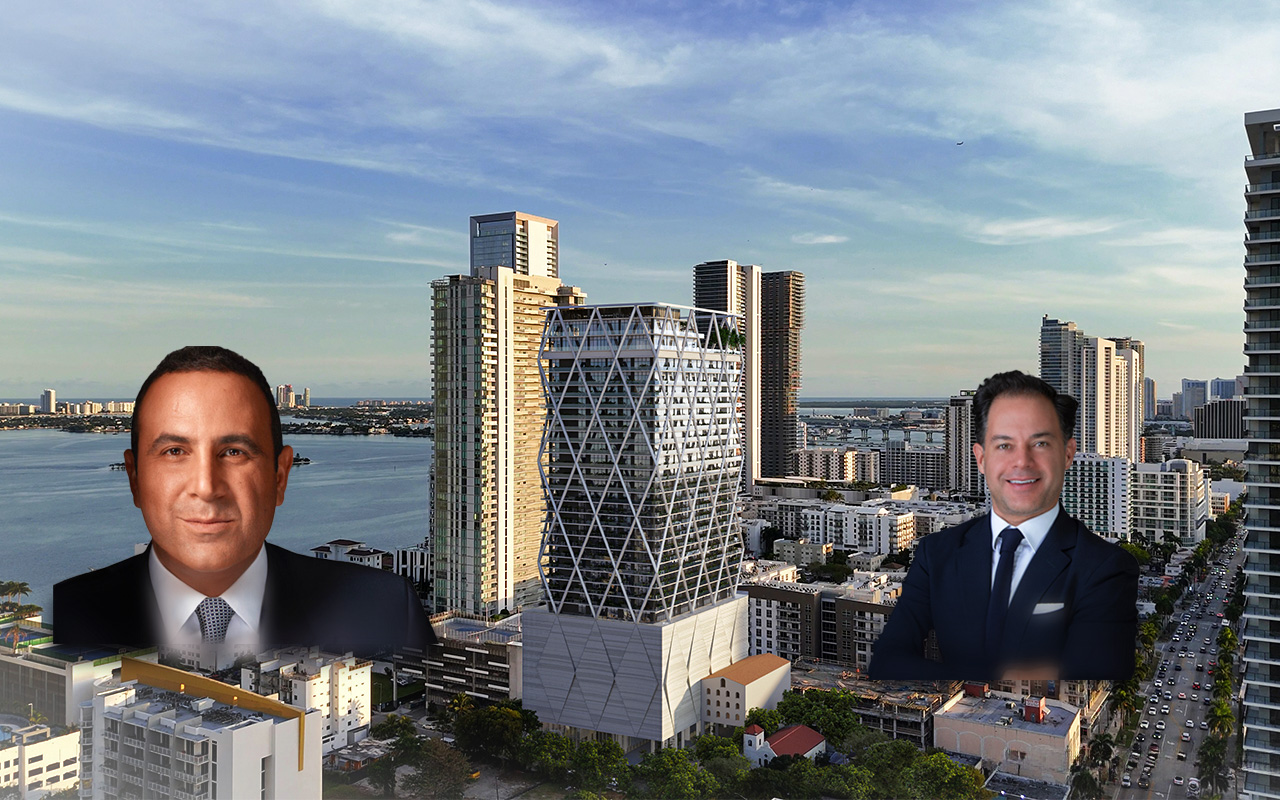
Miami’s Edgewater neighborhood is set to welcome a bold new addition to its skyline with the launch of HQ Residences Miami. The project represents the first-ever residential development by the lifestyle brand behind HQ Hotels & Residences, led by hospitality visionary Sam Nazarian alongside entertainment icon Marc Anthony. Developed in partnership with Black Salmon, The Boschetti Group, and Constellation Group, the 35-story tower at 422 NE 29th Street introduces 229 branded condominium homes to one of Miami’s most dynamic districts.
Location & Unit Mix Tailored for Modern Urban Living
Situated at the crossroads of the Design District, Wynwood, and the burgeoning Midtown corridor, HQ Residences Miami will place residents within minutes of retail, dining, waterfront parks, and Miami International Airport. The residences range from one- to three-bedroom layouts spanning 721 to 2,074 square feet and culminate in eight exclusive penthouses. Pricing starts at approximately $850,000, with higher-floor and penthouse residences offering panoramic bay and skyline views. With this price point, HQ Residences Miami will fill a gap between the mid-tier and ultra-luxury condo towers in Edgewater.
Hospitality-Driven Design & Iconic Architecture
Externally, HQ Residences Miami features a sculptural diagrid façade that creates a distinctive addition to Edgewater’s skyline. Internally, the design marries warm materials, floor-to-ceiling glazing and expansive terraces framing Biscayne Bay and the Miami skyline. Interiors are curated by DesignAgency and Craft while the architecture is handled by the internationally-acclaimed firm Arquitectonica.
Elevated Amenities Built Around Lifestyle Pillars
The amenity offering at HQ Residences Miami spans 15,756 square feet across two floors and is anchored around four core pillars of contemporary living: Wellness, Entertainment, Community and Art.
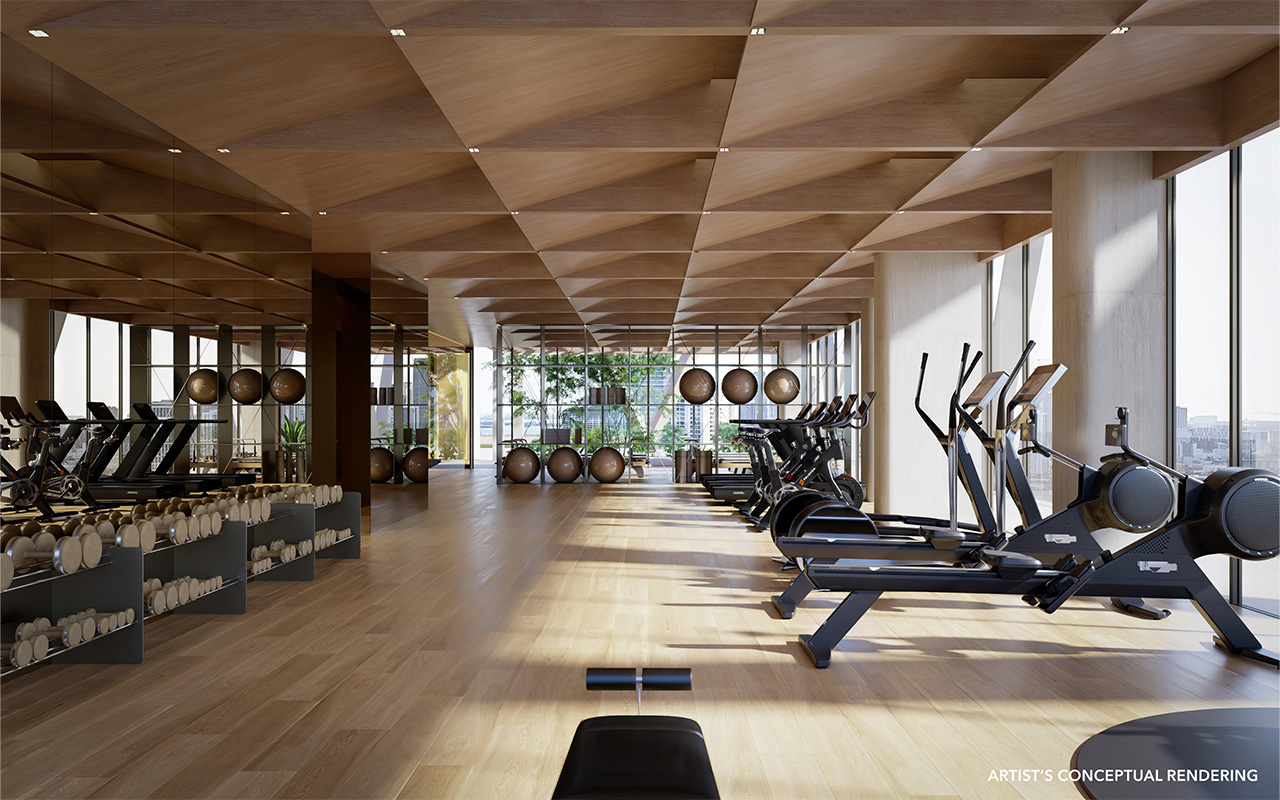
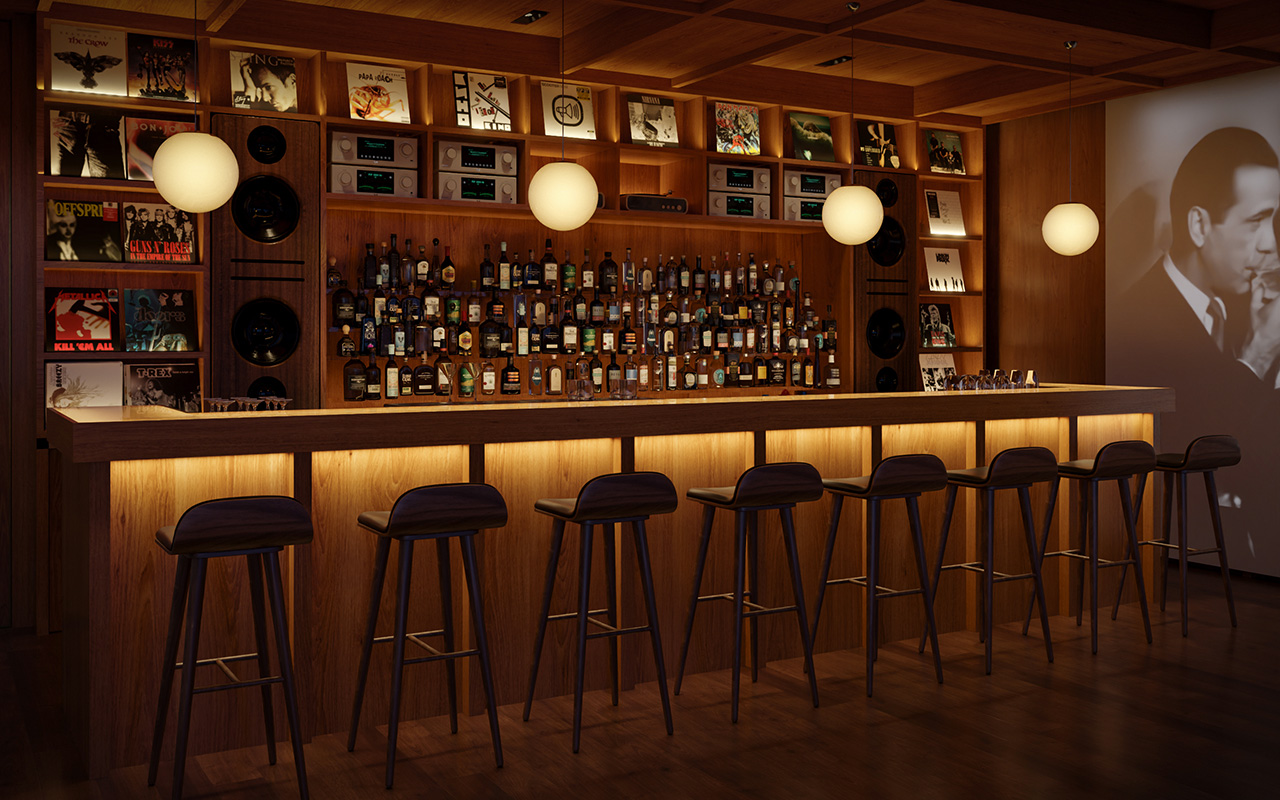
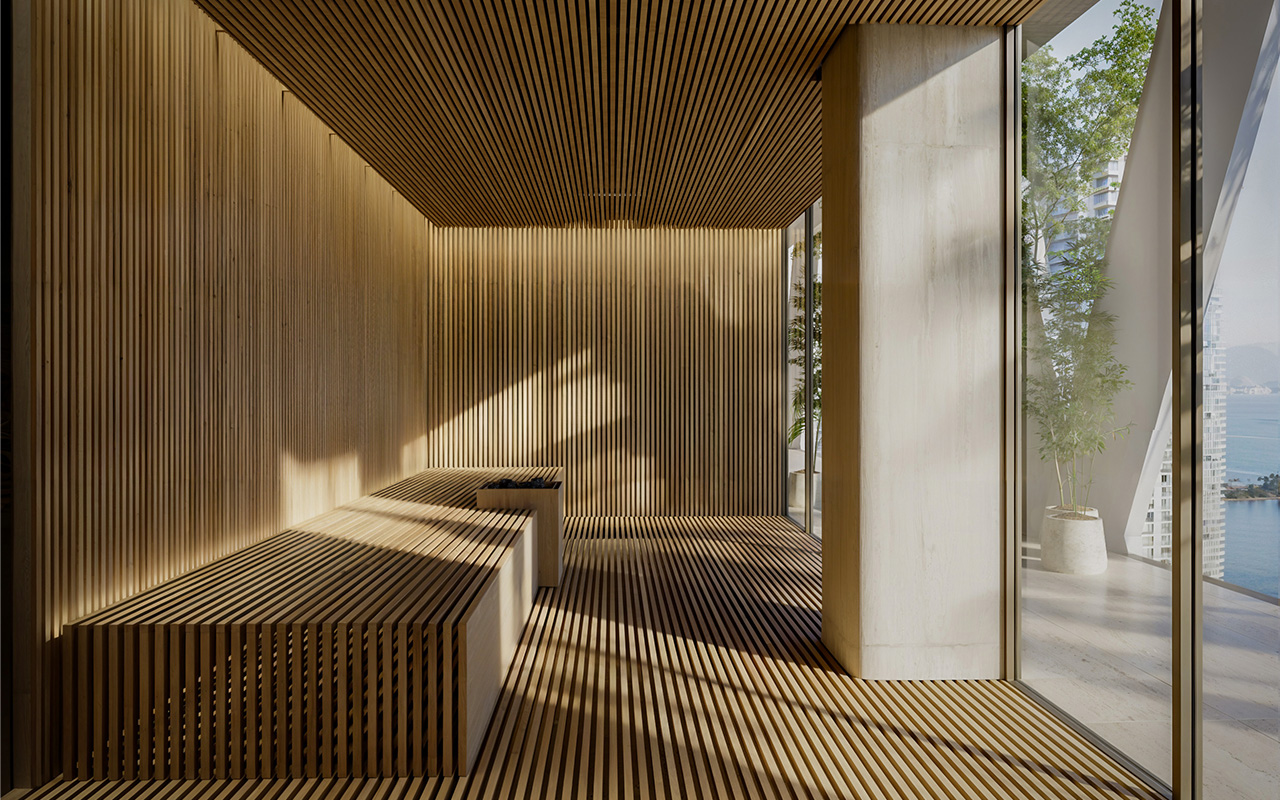
On Level 34, a dedicated wellness floor designed in collaboration with THE WELL founder Kane Sarhan features contrast-therapy circuits, hammam, sauna, steam and plunge pools, a state-of-the-art fitness center, and an open-air training terrace. On the floor above, entertainment takes centre stage with a podcast studio, chef’s kitchen including TOMA Gourmet by Sofia Vergara and her son Manolo, and Jack’s NYC Coffee arriving in Miami for the first time. At night, “Marc’s” – a speakeasy curated by Marc Anthony – offers vinyl collections and skyline views, while the HQ Social Club connects residents to curated experiences city-wide.
Brand DNA Meets Residential Performance
While HQ Hotels & Residences has previously focused on hospitality, this Miami development marks its first residential tower. Through this branded-residence model, the building infuses hotel-style services and lifestyle programming into a full condominium offering. Nazarian explains that living spaces are designed to foster connectivity, creativity and belonging—core traits of the brand’s DNA.
Bringing Hospitality Home
As HQ Residences Miami begins sales, anticipation continues to build around the brand’s first-ever residential tower. The project represents a pivotal step in the evolution of Edgewater, bringing hospitality-level experiences and curated lifestyle programming into a full-ownership setting. By merging design, wellness, and community under one roof, the development introduces a new benchmark for branded living in Miami.
Whether you’re seeking a home that blends five-star amenities with the privacy of condominium ownership—or a design-forward residence in one of Miami’s fastest-growing neighborhoods—HQ Residences Miami is poised to redefine what it means to live in Edgewater.
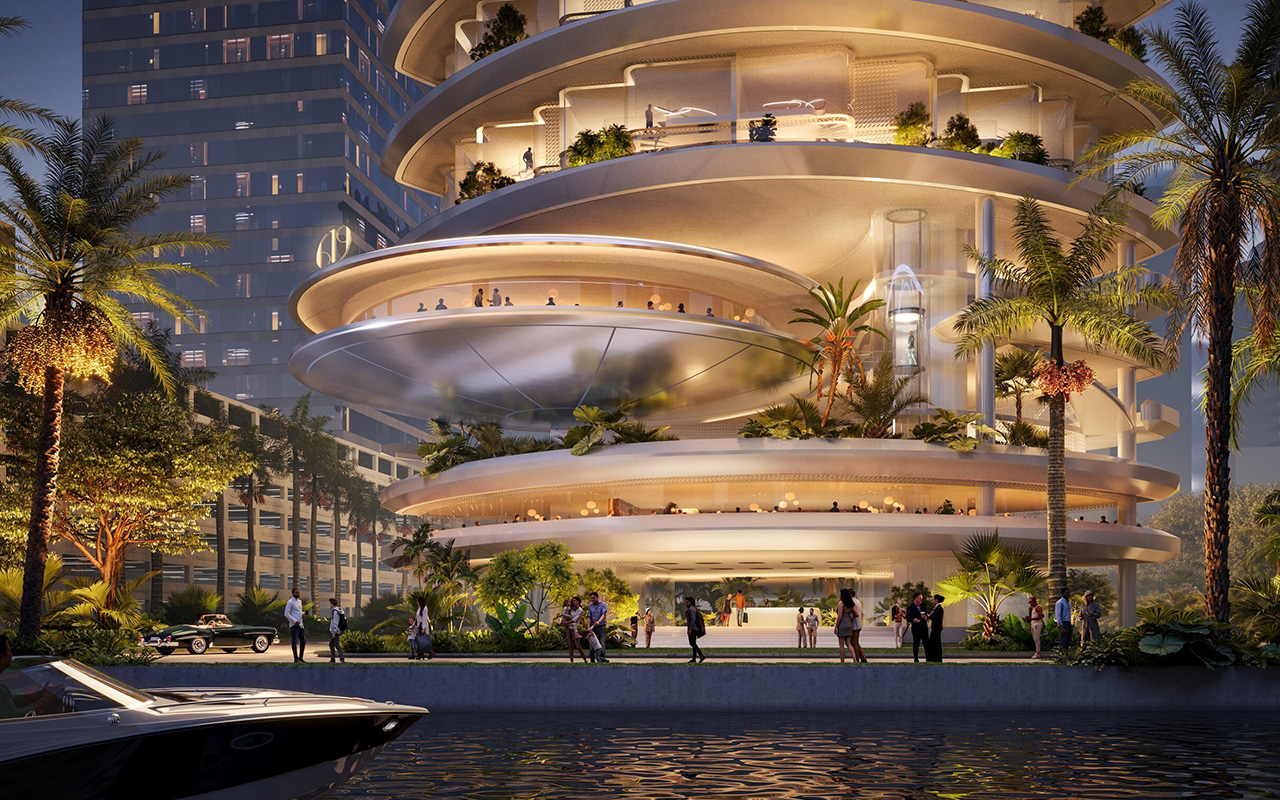
Nobu Hospitality and Foster + Partners Reveal 619 Brickell — Luxury Tower Rising Just South of Icon Brickell
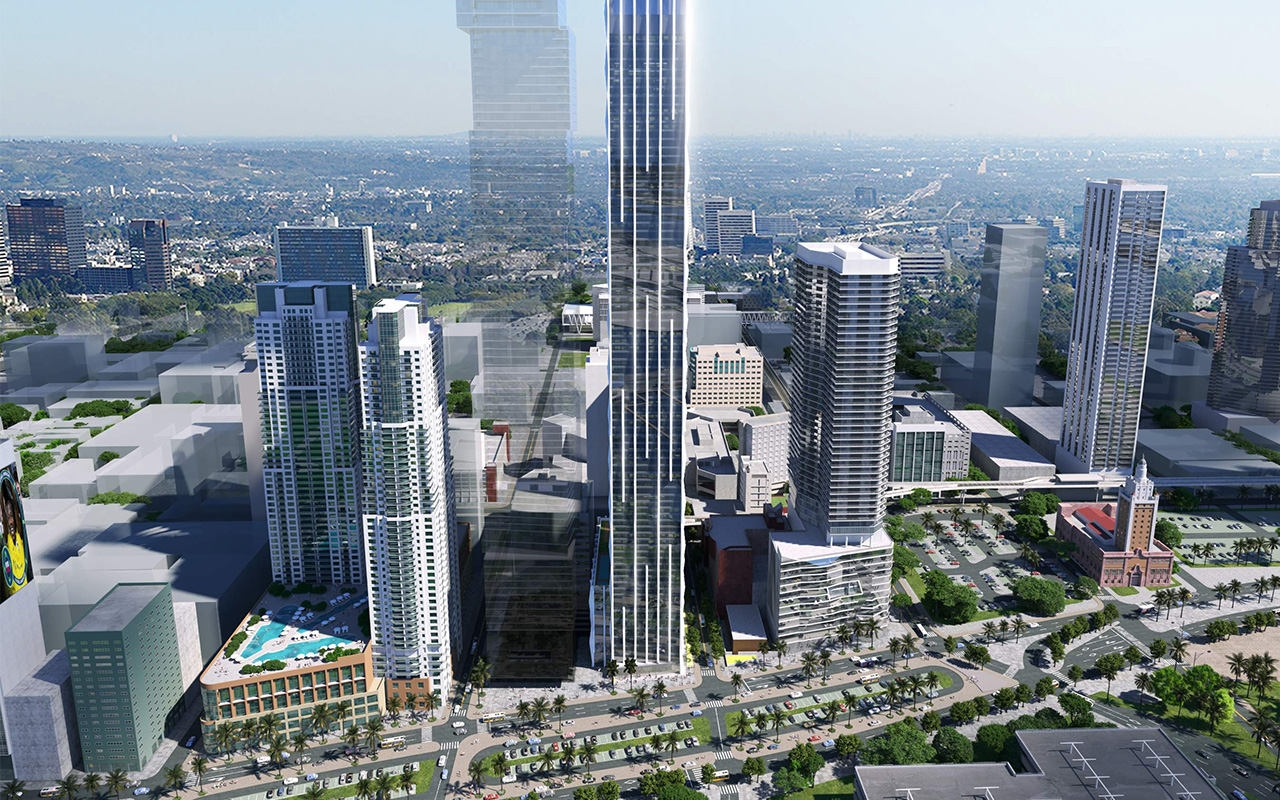
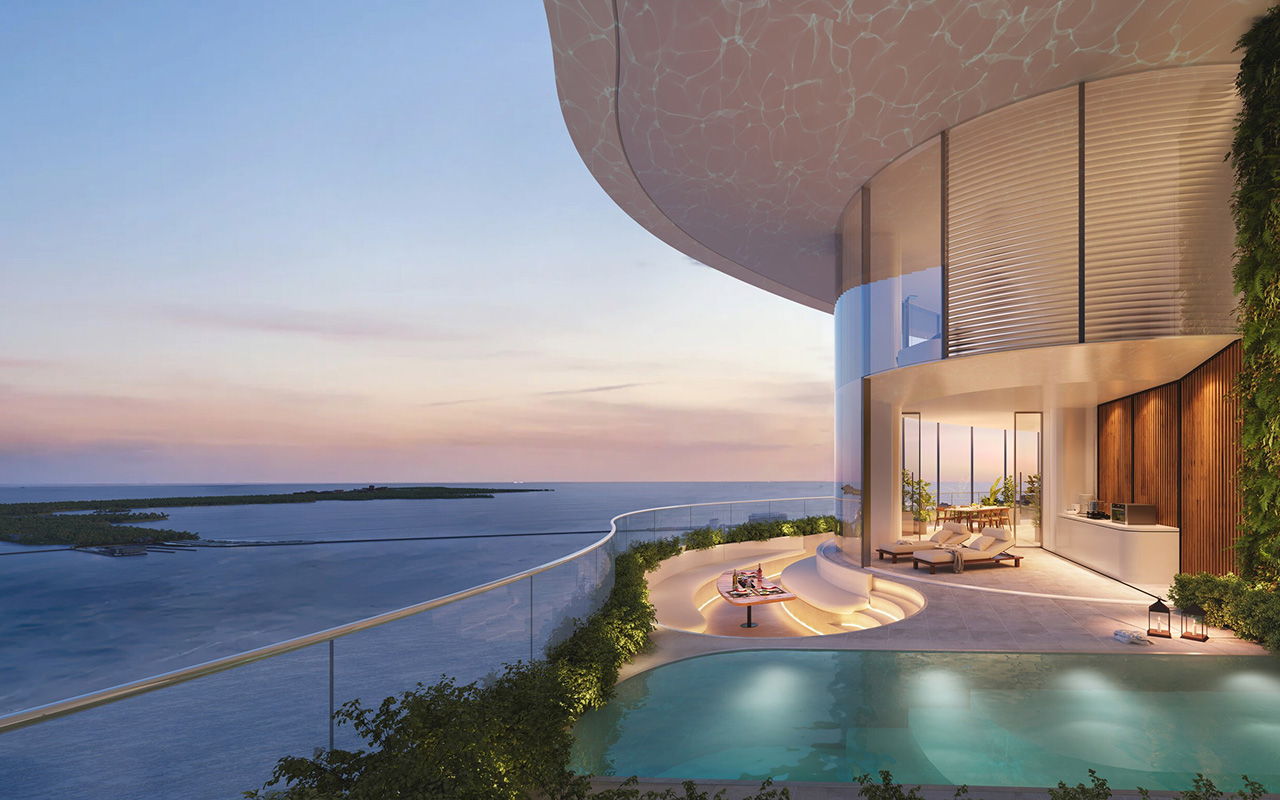
Nobu Hospitality and world-renowned architecture firm Foster + Partners have officially announced 619 Brickell, a 74-story luxury residential tower set to rise in the heart of Miami’s Brickell district. The project marks Nobu’s first branded residence in Miami and a major milestone for the city’s ever-evolving skyline. Designed by Foster + Partners in collaboration with Sieger Suarez Architects, 619 Brickell will bring together the artistry of Japanese minimalism with the contemporary sophistication that defines Miami’s urban core. The development will be located immediately south of Icon Brickell, placing it along one of Brickell’s most desirable waterfront stretches with sweeping views of Biscayne Bay.
According to the official announcement, 619 Brickell will include approximately 300 luxury residences paired with 90,000 square feet of private amenities. The amenity offerings are expected to rival the city’s top luxury developments, featuring a full-service spa and wellness retreat, a state-of-the-art fitness center, a poolside café, and dedicated residents’ lounges. In true Nobu fashion, the building will also introduce Miami’s second Nobu restaurant, which will occupy the ground level and feature a distinctive circular design overlooking Biscayne Bay. The integration of the restaurant directly into the tower’s design underscores the development’s focus on merging hospitality and home living—offering residents the seamless Nobu lifestyle experience that has made the brand a global symbol of luxury.
Foster + Partners’ vision for 619 Brickell embraces a blend of natural materials, open spaces, and organic textures to reflect Nobu’s timeless design ethos. The architecture is expected to complement Miami’s skyline while introducing a refined new silhouette to a stretch of Brickell defined by commercial and residential towers. Developers 13th Floor Investments and Key International described the project as “the perfect convergence of design, service, and lifestyle,” emphasizing their goal of elevating Miami’s standard for branded residential living.
For the Miami real estate market, 619 Brickell represents a major moment in the ongoing evolution of branded residences. Nobu’s expansion into Miami reflects a growing global trend of hospitality brands entering the luxury condominium sector, offering not just architectural prestige but also curated service and lifestyle experiences. The collaboration with Foster + Partners adds architectural weight to the project, ensuring 619 Brickell will stand out in both design and stature.
Beyond the brand name, 619 Brickell’s location immediately south of Icon Brickell positions it among Miami’s most valuable parcels of waterfront land. Its proximity to Brickell Key, Brickell City Centre, and the city’s financial center gives it unparalleled access to both business and leisure. With 90,000 square feet of amenities and a waterfront Nobu restaurant, the development is poised to redefine luxury living in Brickell, fusing culinary excellence with world-class residential design.
As details surrounding unit mix, pricing, and delivery timelines begin to surface, 619 Brickell is expected to draw strong interest from investors, brokers, and buyers seeking a new level of branded sophistication in Miami. For those tracking Miami’s luxury condo landscape, the announcement further underscores the city’s continued rise as one of the world’s premier destinations for design-driven, lifestyle-oriented real estate.