OKO Group and The Bastion Collection Partner to Launch Seia and Seia Club at 830 Brickell
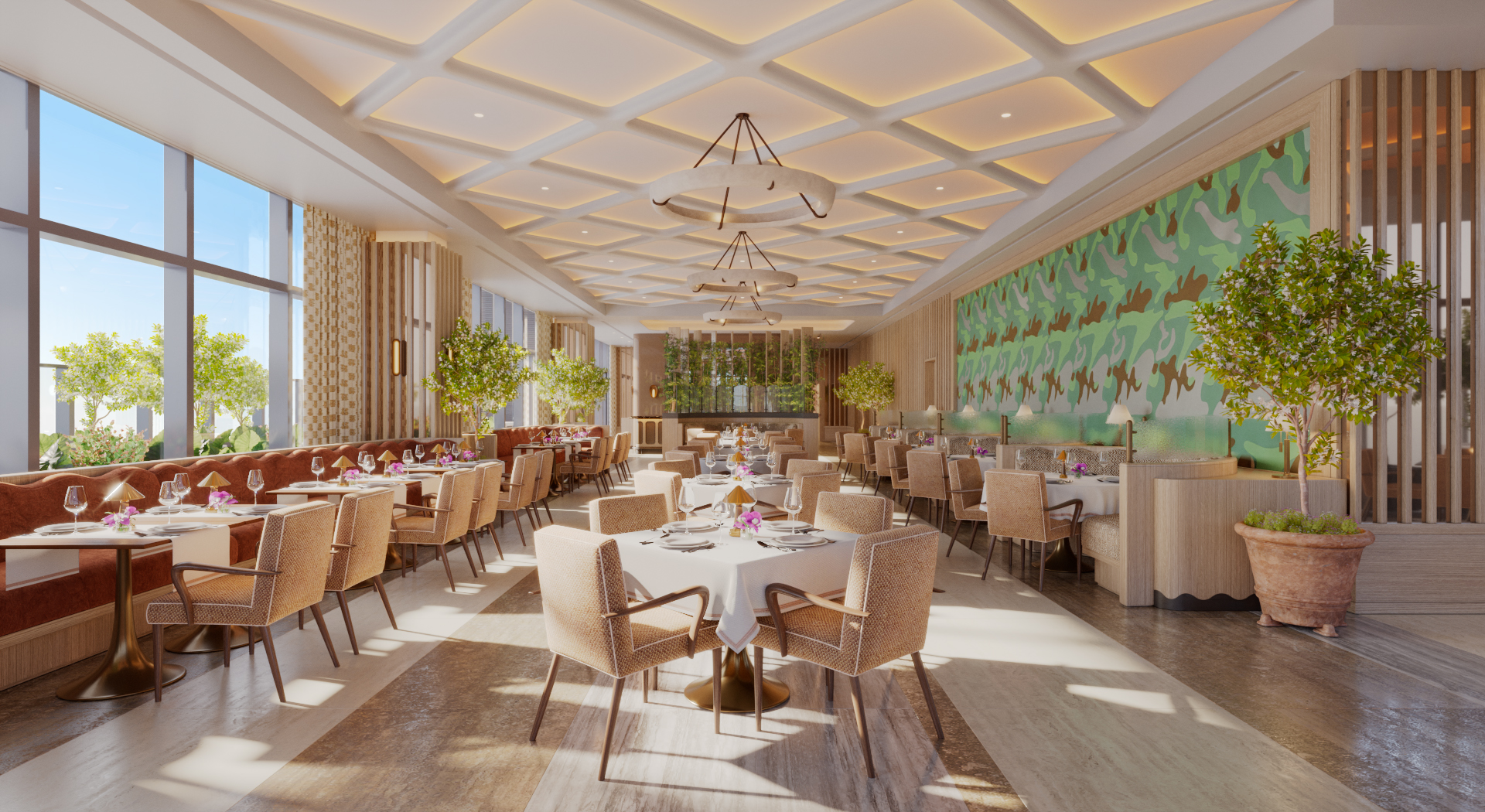
OKO Group, the international real estate firm founded by developer Vlad Doronin, has announced a landmark partnership with The Bastion Collection—a global leader in fine dining and luxury hospitality distinguished by 10 Michelin Stars and 3 Michelin Keys—to introduce two world-class destinations at 830 Brickell, Miami’s premier 55-story Class A office tower.
A Signature Culinary and Social Destination
The partnership will debut Seia, a contemporary Italian restaurant, and Seia Club, an invitation-only private members’ club, both perched atop 830 Brickell on the 54th and 55th floors. Designed by Zervudachi, Roberts & Macadam London, these interconnected spaces promise sweeping panoramic views over Miami’s glittering financial district and Biscayne Bay. Both concepts are slated to open in 2026.
Developed by OKO Group and Cain International, 830 Brickell is the first new office tower of its kind built in Miami in more than a decade. The 55-story skyscraper has already attracted a blue-chip tenant roster including Microsoft, Citadel, Kirkland & Ellis, Thoma Bravo, Santander Bank, and Marsh, cementing Brickell’s reputation as the “Wall Street of the South.”
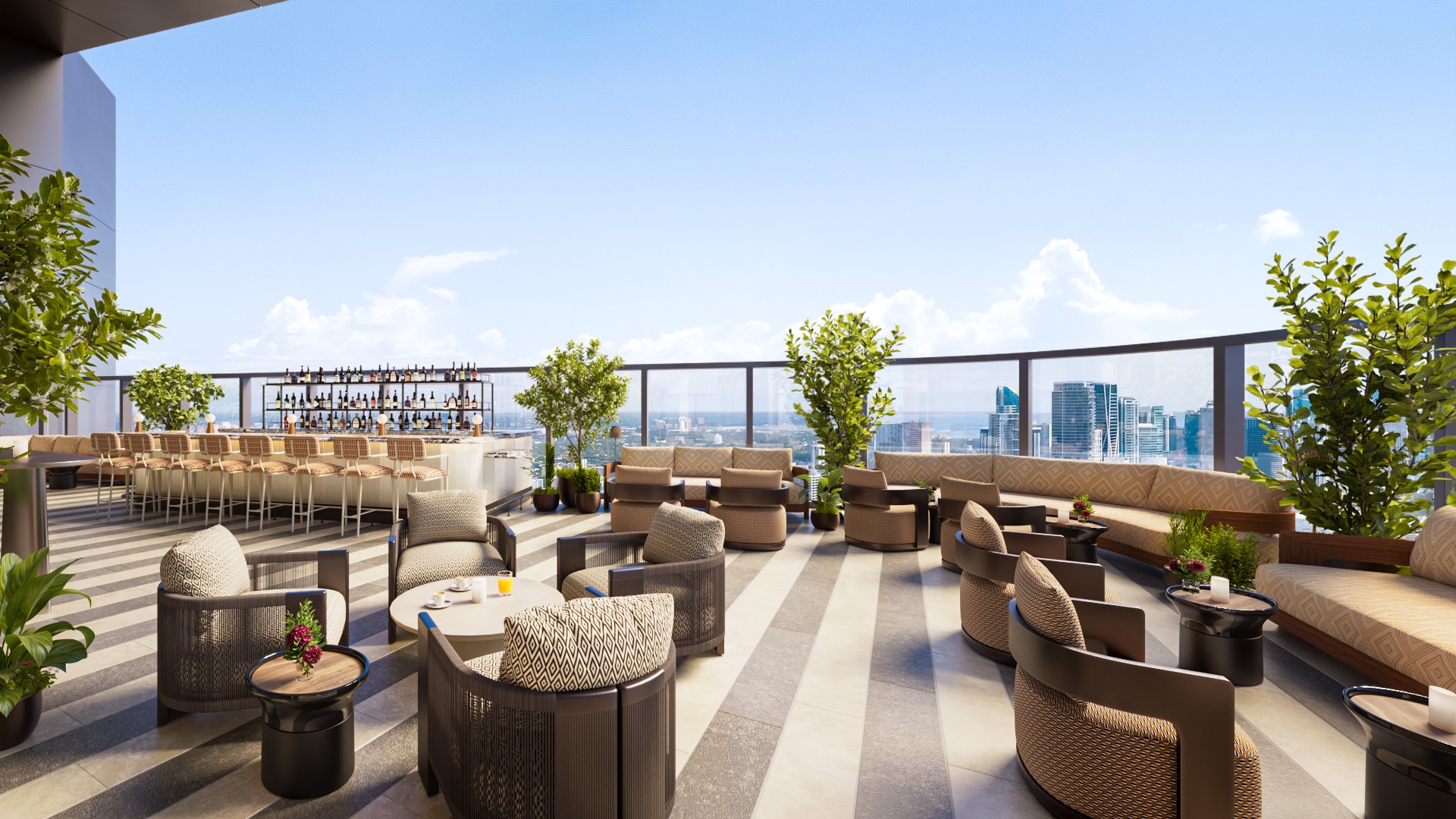
Seia: Contemporary Italian Dining with Panoramic Views
Named for the Roman goddess of sowing seeds, Seia will celebrate Italy’s rich culinary traditions through the lens of nature’s seasonal rhythms. The 178-seat restaurant—led by The Bastion Collection’s Michelin-starred culinary team—will feature timeless Italian flavors elevated with contemporary flair. Diners will enjoy 180-degree terrace views that capture Brickell’s vibrant skyline and the breezes that define Miami living.
Complementing the main dining experience, 830 Brickell tenants will also have access to an exclusive all-day café, further weaving world-class hospitality into the tower’s daily rhythm.
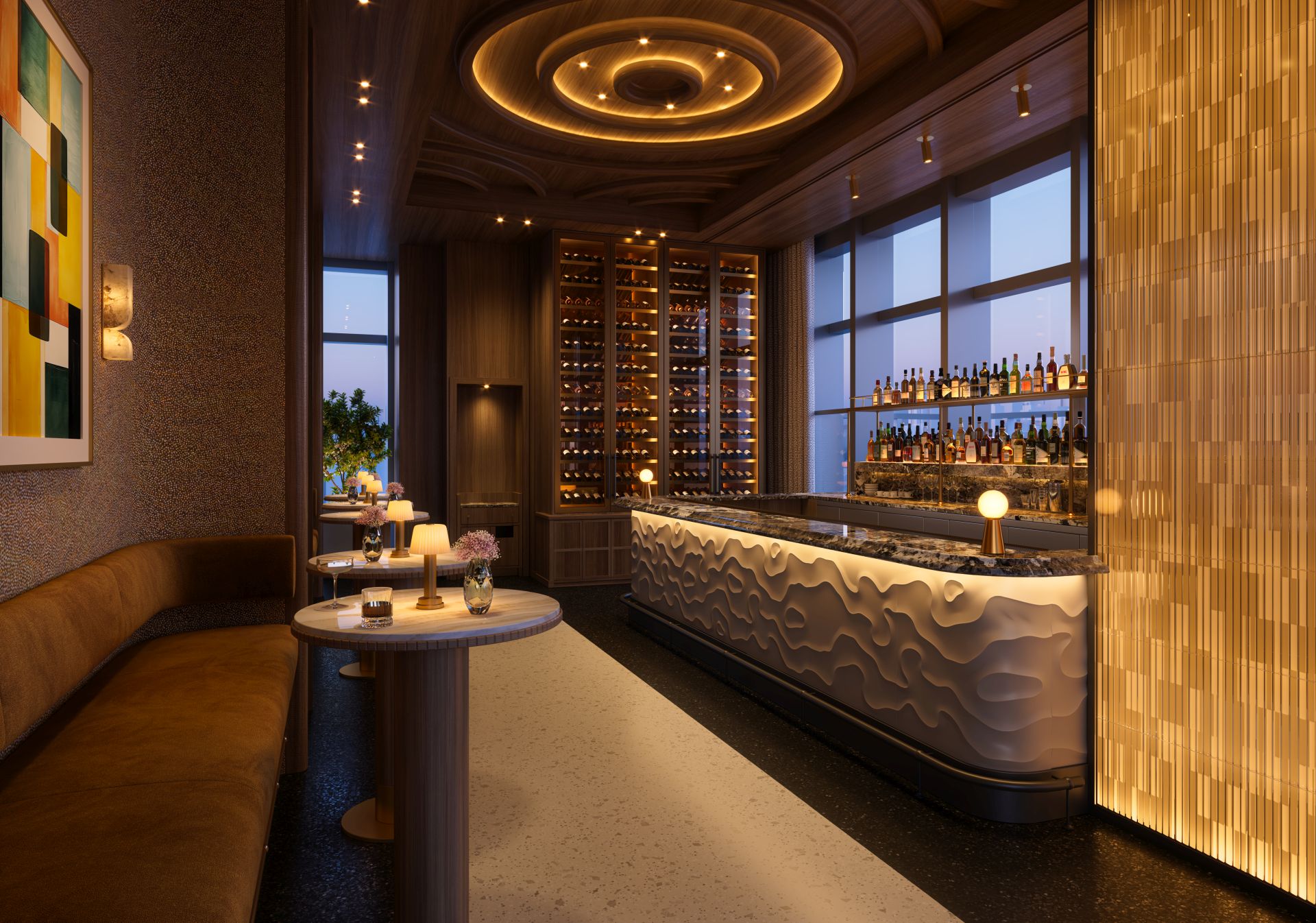
Seia Club: Miami’s Next Great Private Members’ Experience
Set directly above Seia, Seia Club will redefine exclusivity in Miami. The invitation-only club is designed as a discreet haven for professionals and tastemakers alike—serving as a quiet retreat for business meetings by day and transforming into a refined social scene by night. Members will enjoy access to private dining areas, curated cultural programming, and priority reservations at Seia. Pre-opening member inquiries can be directed to [email protected].
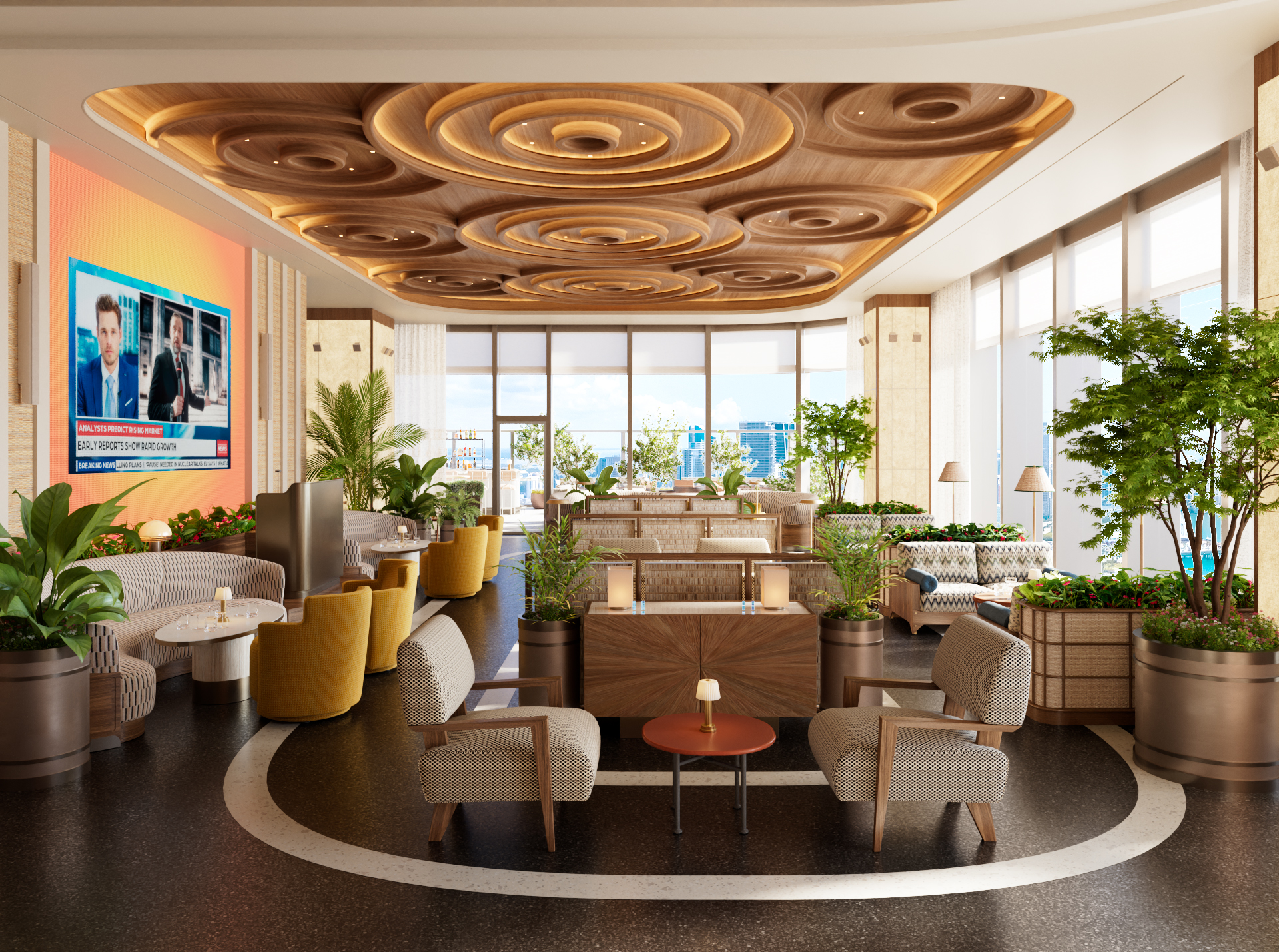
A Partnership Between Two Global Powerhouses
For OKO Group’s Vlad Doronin, the partnership marks another milestone in his mission to elevate Miami’s global standing.
“With 830 Brickell, we set out to deliver an international calibre of architecture and lifestyle to the heart of Miami’s financial district,” said Doronin. “Partnering with The Bastion Collection to develop Seia and Seia Club introduces a new benchmark for culinary and exclusive social experiences in the city.”
Jamal Daniel, Owner of The Bastion Collection, echoed that vision:
“This project is an extraordinary opportunity to bring our culinary and operational expertise to Miami’s most prestigious address. By day, Seia will serve Brickell’s corporate clientele. By night, it will become a destination for those seeking an elevated social experience.”
The Bastion Collection’s Proven Legacy
The Bastion Collection already holds a strong foothold in Miami through its acclaimed Design District establishments—L’Atelier de Joël Robuchon, the city’s only two-Michelin-starred restaurant, and Le Jardinier, a one-Michelin-star concept. Globally, the group operates Michelin-recognized restaurants in New York, Houston, and Geneva, and continues to expand its portfolio of epicurean experiences.
About 830 Brickell
Designed by Adrian Smith + Gordon Gill Architecture with interiors by Iosa Ghini Associati, 830 Brickell spans 640,000 square feet and offers world-class amenities—including a wellness center, conference facilities, and 24-hour concierge service. The tower’s rooftop restaurant and club will crown Brickell’s skyline as the epicenter of business meets lifestyle.
City of Miami Approves $2B Midtown Park Master Plan Linking Midtown, Wynwood, and Edgewater
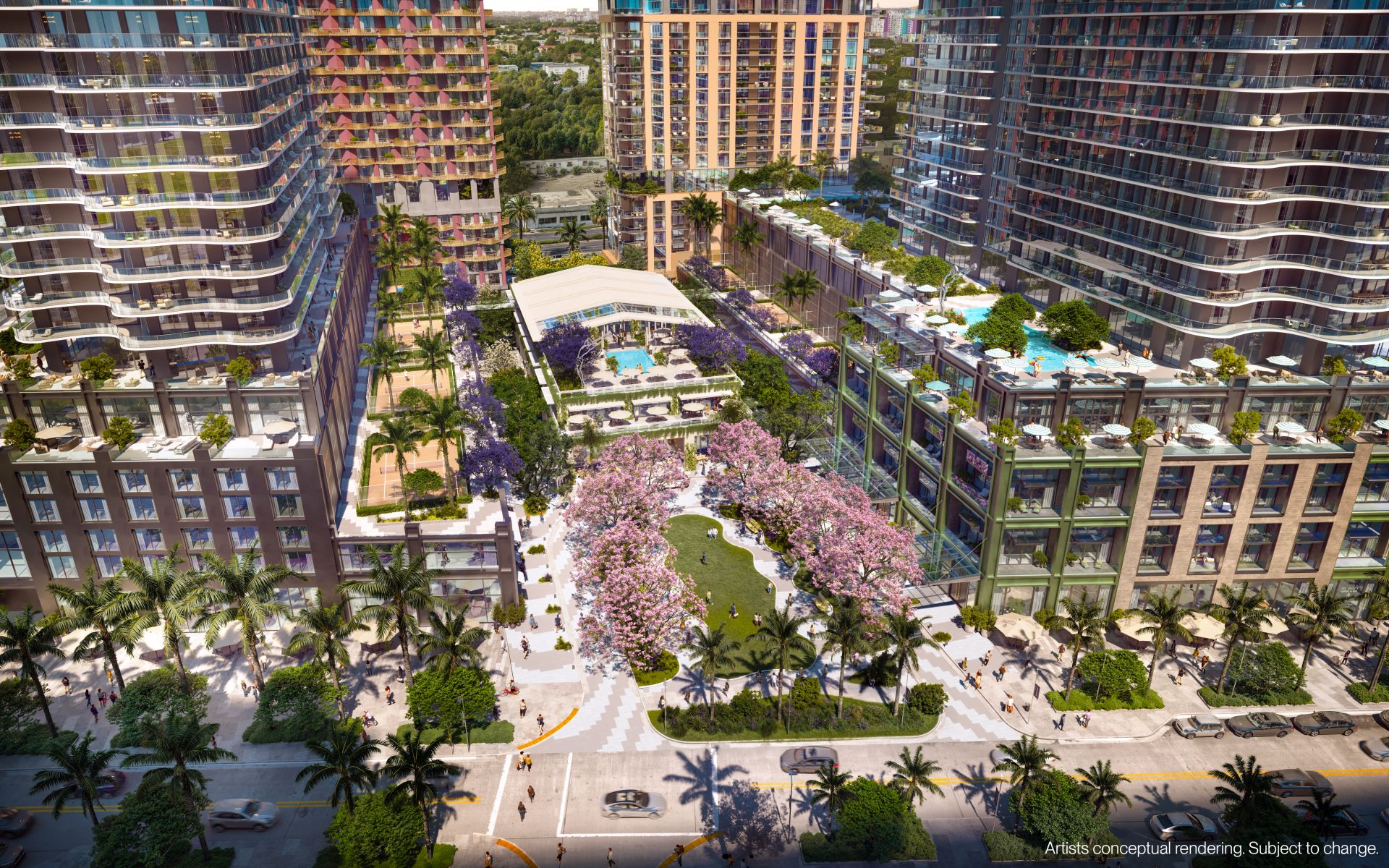 The City of Miami has formally approved Midtown Park, a bold $2 billion mixed-use master plan poised to transform a five-acre parcel at a pivotal nexus between Midtown Miami, Wynwood, and the Design District.A partnership among Rosso Development, Midtown Development, and Proper Hospitality, the project will deliver 1.2 million square feet of new residences, offices, retail, green space, dining, and cultural amenities—and will include an elevated racquet and padel club operated by ULTRA Padel. By knitting together three of Miami’s most vibrant districts, Midtown Park aims to become a new focal point for urban life, wellness, and creative energy.With city approval in hand via the Urban Development Review Board, Midtown Park is cleared to move forward with its first phase of development. This marks one of the most consequential mixed-use projects in recent Miami history and sets the stage for a major reshaping of the Midtown corridor.
What the Master Plan Includes
The approved Midtown Park master plan maps out a richly layered development:
- 924 residential units across two 28-story towers, two 17-story towers, and a low-rise retail podium
- 60,000 square feet of office space
- Over 120,000 square feet devoted to designer retail and restaurants
- Two public plazas and a network of pedestrian-oriented streetscapes to prioritize people over vehicles
- A world-class ULTRA Padel club, with an initial two-acre pop-up activation during early phases, and a permanent 8-court facility embedded in the final build
- The project is designed in phases, with early activations (pop-ups, interim uses) intended to generate momentum even before full buildout
Architecturally, the towers and podiums are being designed by Arquitectonica, with interiors by Meyer Davis Studio and landscaping by Naturalficial.
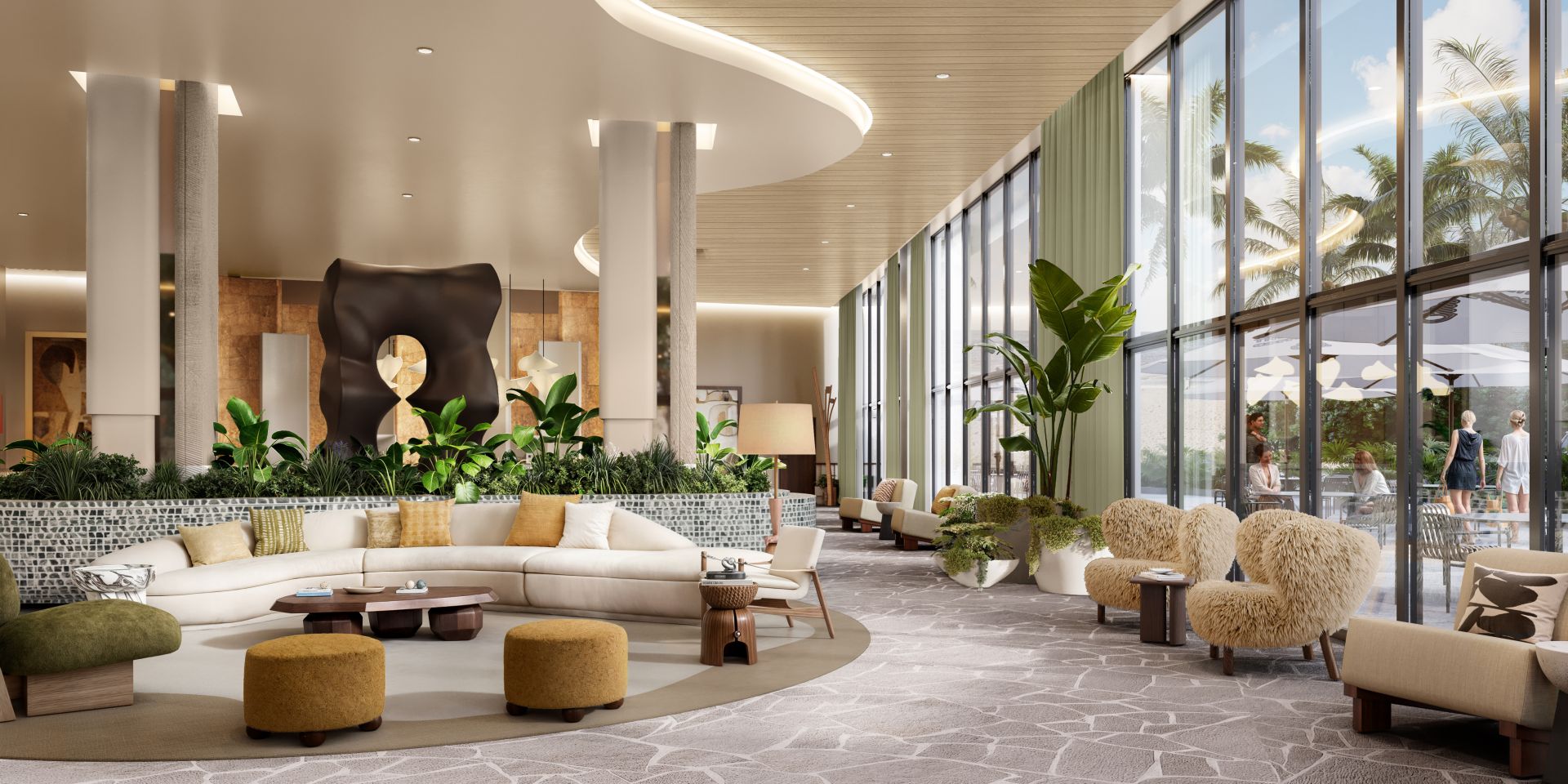
The First Phase: Midtown Park Residences by Proper
The first building to rise under this umbrella is Midtown Park Residences by Proper, located at 3055 N Miami Avenue. This 28-story tower will introduce 288 Proper-branded residences ranging from studios to three-bedroom units and exclusive penthouses.
Residents will have access to over 40,000 square feet of premium amenities, including:
- A tropical pool deck with restaurant and bar
- Spa pool and wellness zones
- Yoga and meditation gardens
- A private pickleball court
- Co-working lounges and a kids’ club
- A communal vegetable garden
- Curated cultural programming through a Culture Concierge
- Exclusive access to events across Proper Hospitality’s global portfolio, including their Shelborne property on Miami Beach
Pricing starts in the low $600Ks, and the tower is expected to reach completion by 2028.
Interior concepts for the building have recently been unveiled by Meyer Davis, who emphasize a balance of warmth, texture, and connection to Miami’s natural light and tropical environment.
Why This Matters
Midtown Park isn’t just another development—it’s an effort to reweave the urban tapestry of Miami in one of its most promising corridors:
- Neighborhood connectivity: By physically linking Midtown, Wynwood, and the Design District, the project helps close gaps and allow for smoother pedestrian flows, cultural spillover, and shared public life.
- Elevated lifestyle anchor: The ULTRA Padel club is not a niche add-on—it’s central to the concept, bringing wellness, social activation, and a destination-level amenity that benefits residents and the wider community.
- Design-forward ethos: With Arquitectonica, Meyer Davis, and Naturalficial in the mix, the project promises attention to architectural character, material quality, and art-forward public realm.
- Market confidence in Midtown: The backing by major developers and a hospitality brand demonstrates strong belief in Midtown’s trajectory as a destination, not just a pass-through node.
Project Highlights at a Glance
- Project Name: Midtown Park
- Developers: Rosso Development, Midtown Development, Proper Hospitality
- Architect: Arquitectonica
- Interior Designer: Meyer Davis Studio
- Landscape Architect: Naturalficial
- Padel Operator: ULTRA Padel
- Location: 3055 N Miami Ave, Miami, FL
- Residential Units: 924 total | 288 in Phase I
- Office Space: 60,000 sf
- Retail / Dining: 120,000+ sf
- Expected Completion (Phase I): 2028
Florida Supreme Court Denies Two Roads Development’s Appeal in Biscayne 21 Case
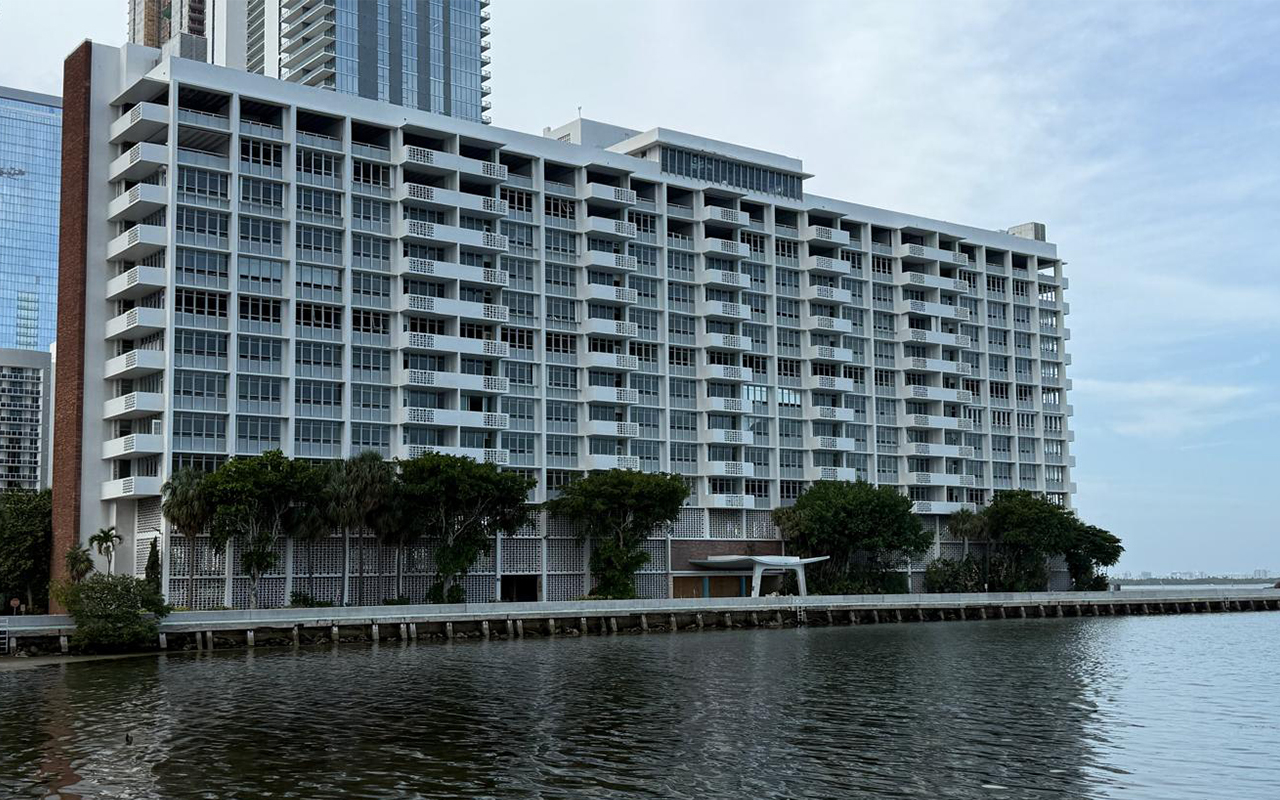
On October 14, 2025, the Supreme Court of Florida formally denied Two Roads Development’s (TRD Biscayne LLC) petition for review in its long-running case against unit owners of Biscayne 21, a waterfront condominium at 2121 N Bayshore Drive in Miami’s Edgewater neighborhood. The ruling (Case No. SC2025-1169) effectively ends all appeals and leaves intact a major victory for the holdout owners who opposed the developer’s attempted condominium termination and redevelopment plan.
The state’s highest court declined to exercise jurisdiction under Article V, Section 3(b) of the Florida Constitution and Florida Rule of Appellate Procedure 9.030(a)(2)(A)(v), meaning the lower court’s decision stands. Earlier this year, the Third District Court of Appeal had upheld a Miami-Dade circuit judge’s ruling that sided with Biscayne 21’s remaining owners, affirming that the termination plan violated state statutes intended to protect minority owners from forced buyouts.

A Landmark Outcome for Condo Owners
The Florida Supreme Court’s decision signals that Two Roads Development has exhausted its legal avenues, ending nearly two years of litigation surrounding Biscayne 21. For residents who resisted the termination, the ruling clears the path to retain and possibly reoccupy their units.
The outcome is expected to have broad implications for developers and condo owners across Florida, particularly as the state faces a wave of condominium terminations and redevelopment efforts following new post-Surfside safety requirements. The case reinforces that developers must strictly comply with termination statutes and respect the rights of dissenting owners.
Background: From Termination to Supreme Court
Two Roads Development—known for projects such as Elysee Miami and Biscayne Beach—had acquired the majority of units at Biscayne 21 and sought to terminate the condominium in order to redevelop the bayfront site. Several owners, however, refused to sell, arguing that the termination plan was procedurally flawed and unfairly coercive.
In July 2025, the Third District Court of Appeal issued a landmark opinion in Avila v. TRD Biscayne LLC, siding with the holdouts and ruling that developers cannot sidestep key statutory protections for minority owners. Today’s Supreme Court decision cements that precedent.
What It Means for Future Terminations
Legal analysts and condominium attorneys are already pointing to the Biscayne 21 outcome as a defining moment for condo law in Florida. The decision limits how aggressively developers can pursue terminations and reinforces the need for transparency, equitable terms, and adherence to Chapter 718 of the Florida Statutes.
For developers, the ruling introduces new caution in structuring bulk acquisitions; for owners, it provides renewed leverage in negotiations over termination offers. In short, the Biscayne 21 case may reshape the balance of power between developers and homeowners in Florida’s redevelopment boom.
Bayfront Park Chosen as Official FIFA Fan Festival Site for 2026 World Cup
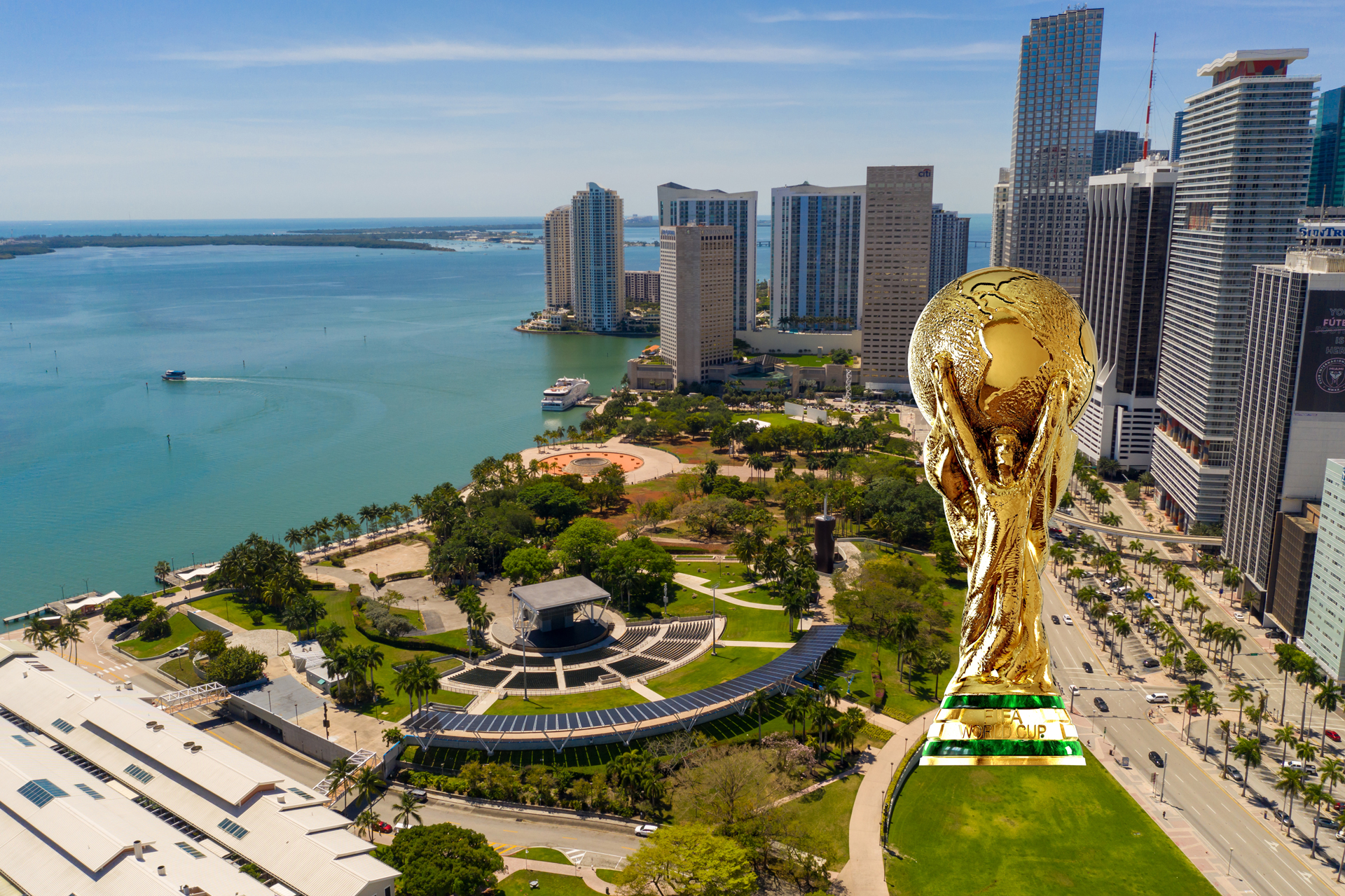
In a major announcement, City of Miami Mayor Francis Suarez and the Miami Host Committee confirmed that Bayfront Park in Downtown Miami will serve as the official FIFA Fan Festival™ site for the 2026 FIFA World Cup. The 32-acre waterfront park will transform into the epicenter of celebration and community for local residents and visitors from around the world as Miami takes its place on the global soccer stage.
What to Expect at the Fan Festival
The FIFA Fan Festival™ will be a free, family-friendly celebration open to all ages, designed to capture the excitement of the World Cup. Fans can expect:
- Live match screenings on massive LED screens showing all seven matches hosted in Miami at Hard Rock Stadium.
- Concerts and DJ performances featuring top international and local artists throughout the tournament.
- Food and beverage activations highlighting Miami’s diverse culinary scene.
- Cultural exhibits and interactive experiences celebrating the spirit of the game and the city’s multicultural identity.
- Merchandise zones and partner activations from global and local brands.
The Fan Festival is expected to run for approximately three weeks, coinciding with the World Cup tournament dates in June and July 2026. Specific schedules, performer lineups, and event hours will be announced in the coming months.
Why Bayfront Park Was Selected
Bayfront Park was chosen for its central location, stunning waterfront views, and proven track record hosting major events. Situated in the heart of Downtown Miami, the park is surrounded by hotels, restaurants, and entertainment venues, making it the ideal site for welcoming thousands of fans each day.
The park’s layout — including its open green spaces and amphitheater — provides a natural setting for large-scale gatherings while maintaining easy access to public transportation such as the Metromover and Metrorail. Its location along Biscayne Bay also ensures that visitors can enjoy panoramic views of the water and skyline, further enhancing the festival experience.
Miami’s Role in FIFA World Cup 2026
Matches at Hard Rock Stadium
Miami is set to host seven FIFA World Cup matches at Hard Rock Stadium, including four group-stage games, a Round of 32 match, a quarterfinal, and the prestigious third-place playoff. These matches will attract soccer fans from every continent, positioning Miami as one of the marquee host cities of the tournament.
Government and Private-Sector Collaboration
Miami-Dade County and the City of Miami have committed significant financial and logistical support to ensure the success of both the tournament and the Fan Festival. Miami-Dade County officials have pledged cash support not to exceed $10.5 million, along with substantial in-kind services for public safety, permitting, and transportation support.
In total, the public commitment — including contributions from surrounding municipalities — is estimated to reach roughly $46 million, supplemented by an additional $100 million in private fundraising through the Miami Host Committee. These funds will not only support event operations but also finance legacy projects aimed at improving infrastructure and community facilities long after the tournament ends.
Economic Impact on Miami-Dade County
Hosting the FIFA World Cup is expected to deliver an unprecedented economic windfall for Miami-Dade County, with early projections estimating between $1.3 billion and $1.5 billion in total impact. This includes direct and indirect spending on tourism, hospitality, retail, entertainment, and transportation.
The event is expected to attract 700,000 to 1 million visitors to the region, filling hotels, restaurants, and entertainment venues during what is typically Miami’s slower summer season. Local businesses across the hospitality and service sectors will see a significant boost, while temporary job creation will help fuel local employment.
Officials have likened the impact to hosting seven Super Bowls back-to-back, underscoring the scale of the opportunity for South Florida’s economy. The long-term benefits are also expected to include increased global visibility, enhanced tourism infrastructure, and stronger positioning for future international events.
Beyond the Tournament: Lasting Legacy for Miami
The World Cup presents Miami with a rare opportunity to leave a lasting legacy that extends well beyond the tournament. As part of the hosting agreement, Miami-Dade County is investing millions into community-focused legacy projects, ensuring that the improvements made in preparation for the event benefit residents for years to come.
The FIFA Fan Festival™ at Bayfront Park will showcase the city’s culture, energy, and global influence — uniting locals and visitors in celebration of sport, music, and diversity. Beyond the immediate economic impact, the festival will help further establish Miami as a world-class destination for international events and a city that thrives at the intersection of culture, entertainment, and sport.
What Fans and Residents Can Expect
- Free admission to all FIFA Fan Festival™ events at Bayfront Park.
- Daily entertainment including live matches, music performances, and interactive activities.
- Enhanced transportation options, including extended Metromover and Metrorail service, along with dedicated event shuttles.
- Increased security and street closures around downtown during the festival period.
- Local business participation, providing food, drinks, and cultural showcases throughout the park.
The 2026 FIFA World Cup will mark a defining moment for Miami — one that highlights its global reach, vibrant culture, and ability to host world-class events on an unprecedented scale. From the high-energy matches at Hard Rock Stadium to the unforgettable experiences at Bayfront Park’s Fan Festival, the world will once again have its eyes on Miami.
Uni Brings Attainable Luxury Living to Miami’s Arts + Entertainment District
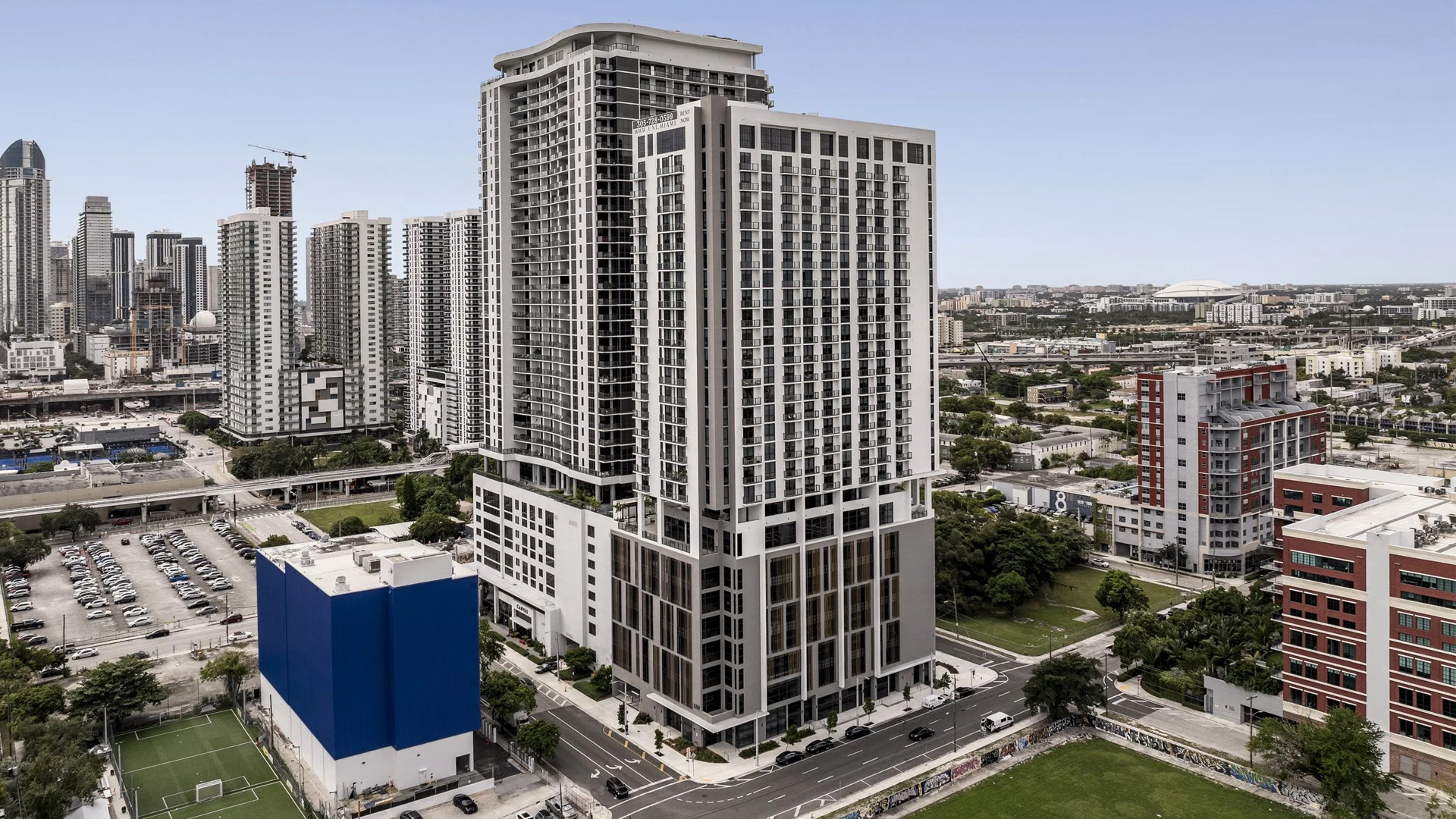
In the heart of Miami’s rapidly growing Arts + Entertainment District, a new residential tower called Uni is redefining what affordable housing can look like. The 28-story development blends contemporary design, upscale amenities, and income-restricted pricing to deliver a rare mix of luxury and attainability. With a mission rooted in accessibility, Uni was built to serve working professionals and essential community members who want to live close to Downtown Miami without paying market-rate rents.
Uni offers 252 residences across a mix of studio and one-bedroom layouts, each designed with modern finishes and efficient use of space. The building’s units are available exclusively to residents who meet specific income thresholds based on the Area Median Income (AMI) for Miami-Dade County. Renters earning between 60% and 140% of the AMI—which currently equates to household incomes between approximately $47,000 and $111,000 annually—are eligible to apply. This includes teachers, first responders, healthcare workers, and other professionals who are often priced out of newer apartment towers in Miami’s urban core.
Unit Floor Plans and Pricing
Uni’s residences are compact, thoughtfully designed, and competitively priced for their location. Studios start at $2,1700 per month, while one-bedroom apartments begin near $2,323 per month. Floor plans range from approximately 483 to 733 square feet, with select corner layouts offering city or bay views. Each apartment comes equipped with modern kitchens, energy-efficient appliances, in-unit washer and dryer, and floor-to-ceiling windows that maximize natural light.
Building Amenities
Despite its affordability model, Uni doesn’t compromise on lifestyle or amenities. Residents enjoy access to a full suite of community spaces designed around health, convenience, and social connection. The building includes a fitness center, yoga and wellness room, resort-style pool deck, club lounge, coworking area, and event space. Outdoor terraces feature lush landscaping and lounge seating, while a ground-floor retail component activates the street level. Secure parking, bicycle storage, and high-speed elevators round out the building’s offerings, creating a complete urban living experience.
A Location That Connects Everything
Positioned at 1642 NE 1st Avenue near Canvas and Parc Lofts, Uni sits at the crossroads of several of Miami’s most vibrant neighborhoods. The building’s location places residents within walking distance of the Adrienne Arsht Center for the Performing Arts, Museum Park, and Biscayne Bay. Downtown Miami, Edgewater, and Wynwood are just minutes away, while major transportation options—including the Metromover, Brightline, and I-95—are easily accessible. This central location makes Uni particularly appealing to those who work in or near the city’s urban core but seek a more attainable rent structure.
Who Qualifies
Because Uni is part of Miami’s workforce housing program, eligibility is based on household income relative to the county’s AMI. Applicants earning no less than 60% and no more than 140% of the AMI can qualify, depending on household size and unit type. This tiered approach allows the building to accommodate a wide range of residents, from entry-level professionals to mid-career earners. Applicants are required to provide income verification, complete a background check, and meet standard leasing requirements.
The Future of Attainable Urban Living
Uni represents a growing movement toward attainable housing in urban Miami—projects that combine the design quality and amenities of market-rate towers with rent structures that better reflect local wages. As demand for centrally located apartments continues to surge, Uni’s success could inspire similar developments across the city, offering a blueprint for sustainable, community-driven growth in the years ahead.
Miami Slice Expands to Coconut Grove, Taking Over Former Harry’s Pizza Space
Miami’s acclaimed pizza hotspot Miami Slice is expanding to Coconut Grove, taking over the former Harry’s Pizza space at 2996 McFarlane Road. Known for its cult following and long lines at its original downtown location, Miami Slice has become synonymous with high-quality, New York-style slices crafted with precision and passion. The new Coconut Grove location marks a significant milestone for the brand as it continues to grow beyond its flagship in Downtown Miami.
The move into Coconut Grove represents a major win for the neighborhood’s ever-evolving dining scene. Once a quiet pocket of casual eateries, the Grove has transformed into one of Miami’s most dynamic culinary destinations, blending local charm with upscale, chef-driven concepts. Miami Slice’s arrival will fill a notable void left by Harry’s Pizza while introducing its signature approach—tight menus, elevated ingredients, and a modern aesthetic—to a community that values both quality and neighborhood spirit.
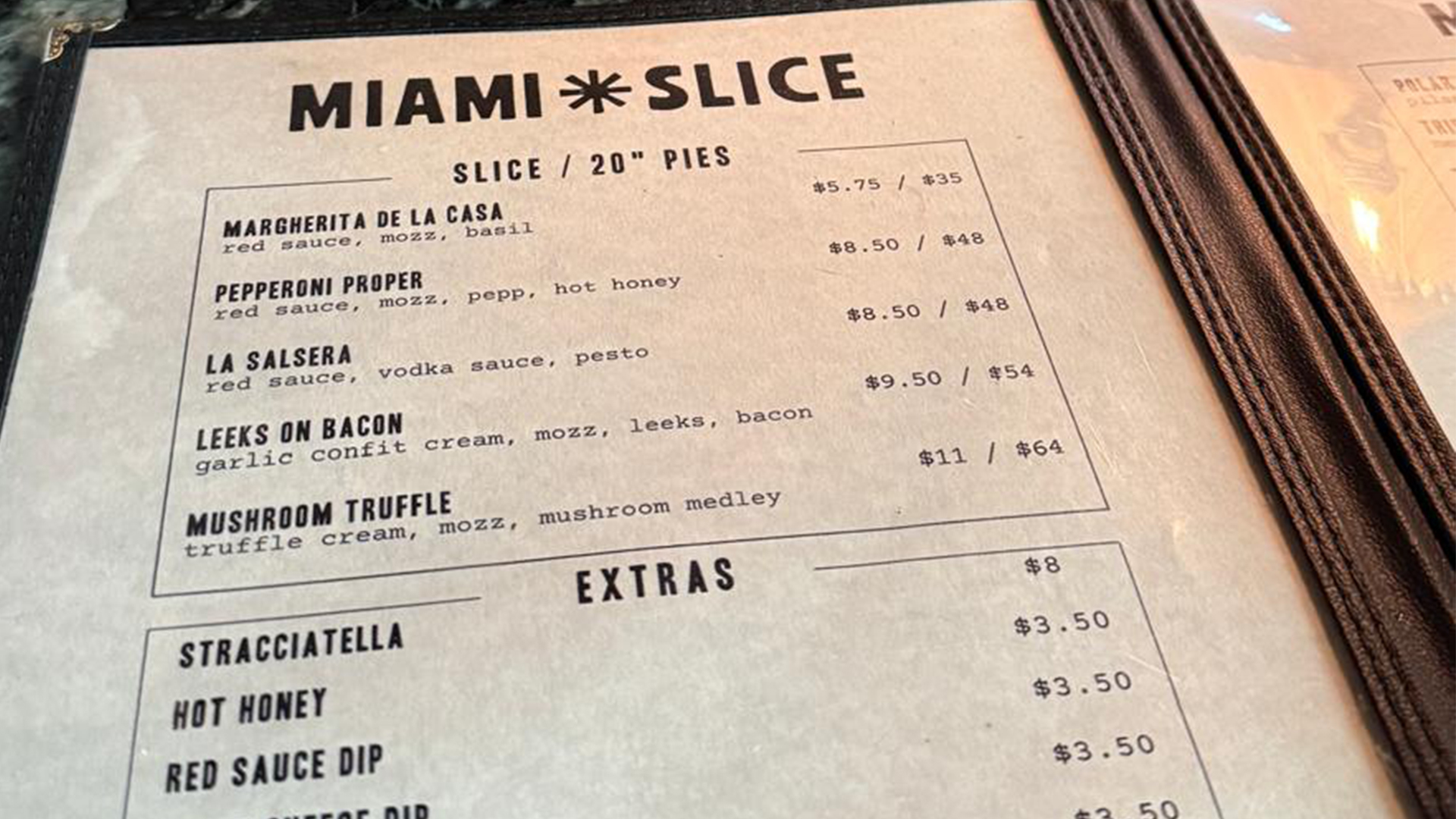
Unlike many pizzerias that aim to offer everything to everyone, Miami Slice has always thrived on simplicity and craftsmanship. Its dough undergoes an extended fermentation process before being double-baked to achieve a light, crisp texture with just the right amount of chew. The menu is expected to remain focused and intentional, featuring fan favorites such as the Margherita de la Casa, Pepperoni Proper, Leeks on Bacon, and Mushroom Truffle, alongside its famous house-made dips and sauces. The minimalistic menu has always been part of the brand’s charm—five core slices, one dessert, and a short but well-curated list of drinks—ensuring that every item is perfected.
The new space at McFarlane Road is considerably larger than Miami Slice’s compact downtown counter, which means fans can likely expect more seating, shorter wait times, and possibly even a few new surprises. Renovations are already underway to convert the former restaurant into a space that captures Miami Slice’s signature urban vibe—modern, high-energy, and unapologetically cool. While an official opening date has not yet been announced, the Coconut Grove outpost is projected to debut in 2026.
This expansion underscores Miami Slice’s growing influence and its ability to bridge Miami’s diverse culinary neighborhoods. Coconut Grove offers the perfect balance of foot traffic, local clientele, and a vibrant social scene—making it an ideal next chapter for the brand. For Grove residents and pizza enthusiasts alike, the arrival of Miami Slice promises not just another great place to eat, but a destination that continues to redefine what pizza can be in Miami’s ever-rising food culture.
Timbaland Sells Coral Gables Mansion for $14 Million
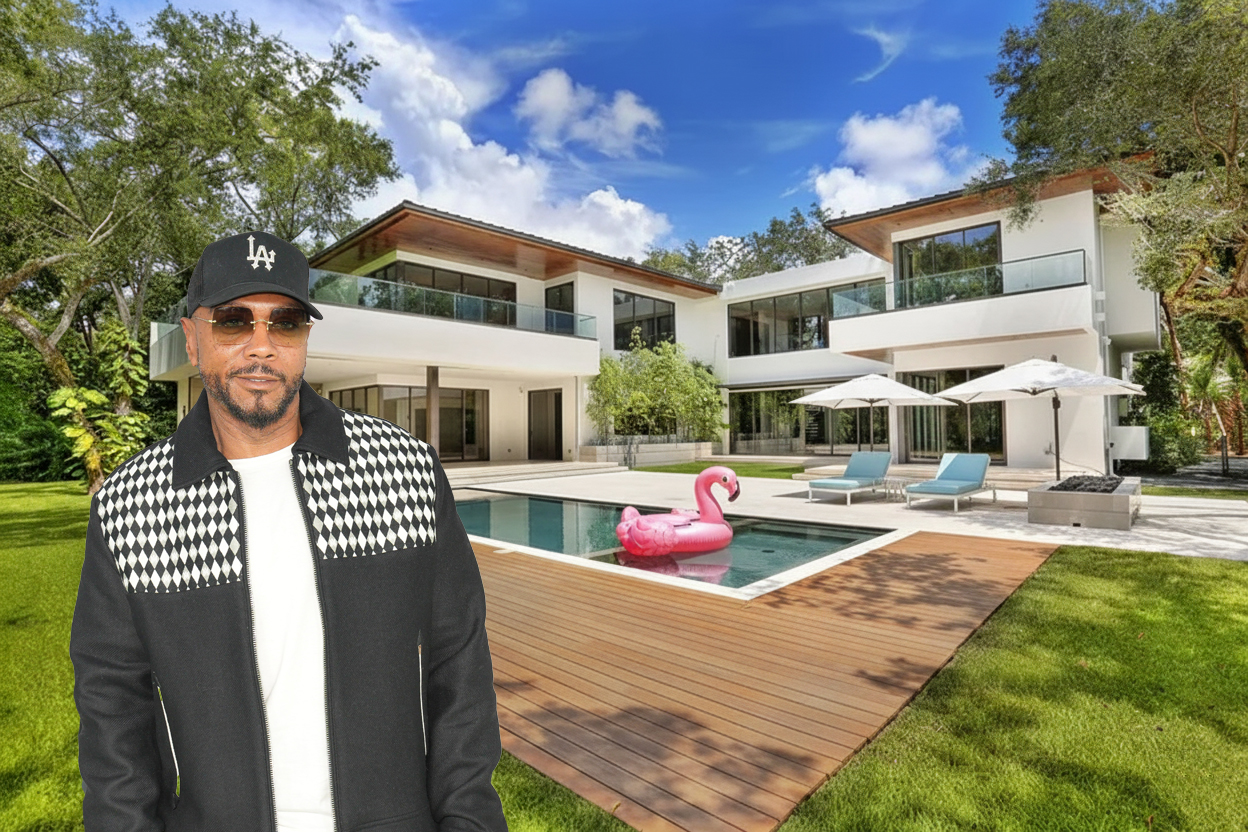
Grammy Award-winning producer Timbaland (born Timothy Mosley) has officially sold his Coral Gables mansion at 5400 Hammock Drive for $14 million, marking a significant return on his original investment. Back in 2019, he purchased the 8,452-square-foot estate for roughly $9 million, making this sale one of the more notable real estate transactions in South Florida’s luxury market this fall.
The home, a tropical-modern masterpiece, spans 8,452 square feet and features seven bedrooms and eight and a half bathrooms. Inside, the residence includes a guest house, wine cellar, sauna, full-house generator, elevator, floor-to-ceiling windows, and a state-of-the-art smart-home system. Situated on nearly one acre in the exclusive Hammock Lakes enclave of Coral Gables, the property offers a rare blend of privacy, lush landscaping, and high-end architectural design.
Originally listed for $15.9 million, the home ultimately sold for $14 million — translating to about $1,656 per square foot. The buyers were reportedly Zeroisha and Beatrice Zapata, owners of COR Medical Centers and the 1-800-NO-FAULT network. The transaction was brokered by Diana Gutierrez of Mocca Realty and Alex Pirez also of Mocca Realty.
The sale represents a roughly 56 percent gain over Timbaland’s purchase price, highlighting continued appreciation within Coral Gables’ ultra-luxury housing market. It also underscores sustained demand for high-end properties offering space, design, and seclusion — factors that have drawn celebrities, athletes, and business leaders to the area. Recent record-breaking deals in nearby Gables Estates and Cocoplum have reinforced Coral Gables’ standing as one of Miami’s most desirable enclaves.
Timbaland, a longtime South Florida resident, has been active in the local real estate scene for years. He previously sold a Pinecrest mansion in 2019 and currently owns a double unit at Aria on the Bay in Edgewater Miami. With the Hammock Drive property now off his portfolio, this sale not only delivered a strong return but also reflects growing confidence among elite buyers in Coral Gables’ luxury market.
Club Studio Opens Flagship Fitness Destination at Miami Worldcenter
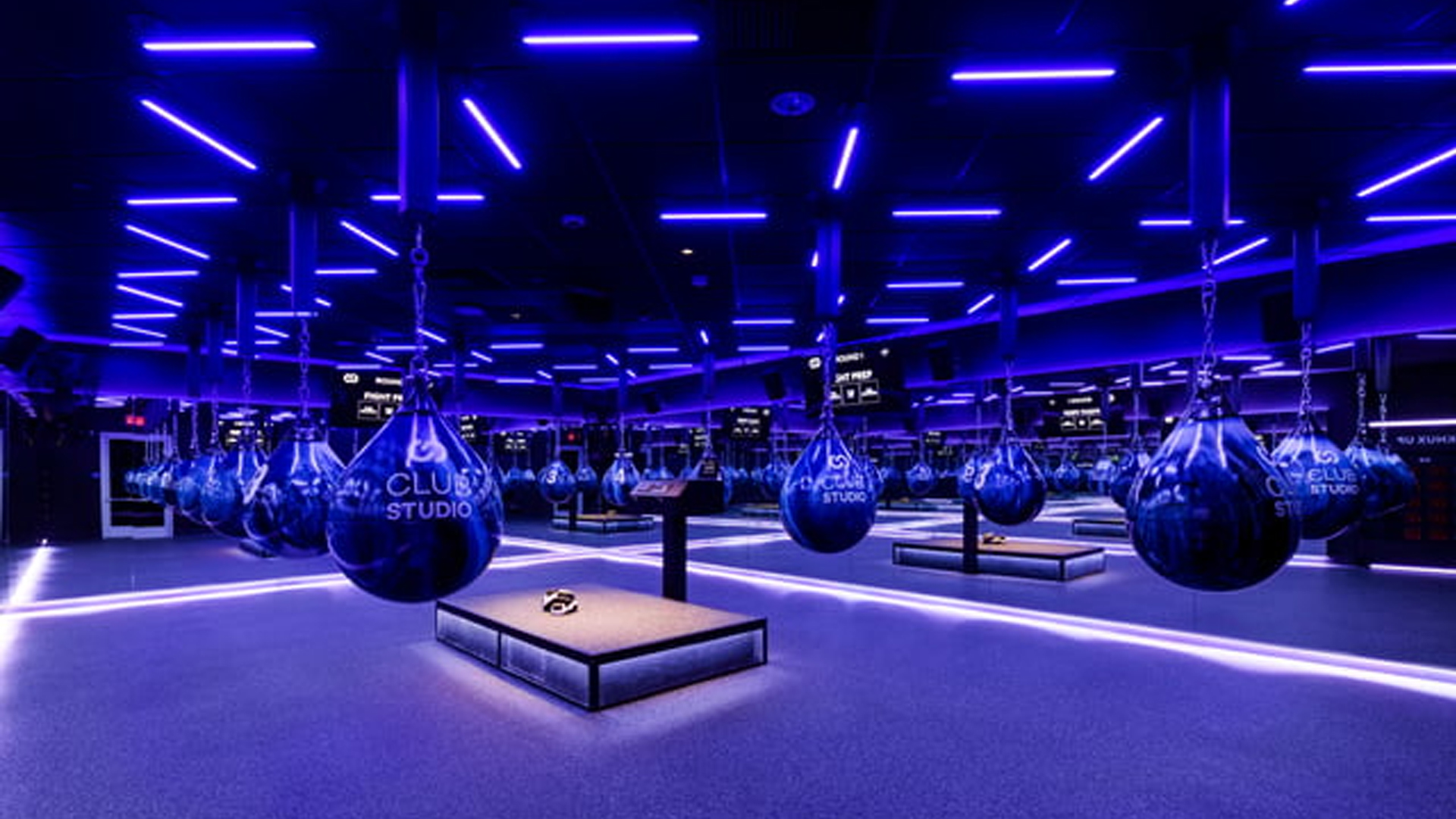
Downtown Miami just got a major boost in wellness and walkability. Fitness International, LLC has officially opened its flagship Club Studio® location at Miami Worldcenter, marking the brand’s first Florida location and the 15th in the nation. The 38,000-square-foot facility debuts at the high-visibility corner of NE 2nd Avenue and 9th Street, introducing a cutting-edge fitness experience to the heart of Downtown Miami’s Park West neighborhood.
A Next-Level Fitness Experience
Designed for the modern fitness enthusiast, Club Studio Miami Worldcenter blends five boutique studio concepts—Strength, Box, Ride, Hot Yoga, and Pilates—under one roof. Each studio features premium equipment, expert instruction, and immersive lighting and sound environments that elevate every workout. Members also have access to a Cryotherapy and Recovery zone, massage beds, compression therapy, and Kalologie® Medspa services for full-body rejuvenation.
To refuel post-workout, guests can visit Beaming, a healthy marketplace offering nutritious meals, snacks, and drinks. A retail section rounds out the space, featuring apparel and essentials designed to complement an active lifestyle.
“Our corner location at Miami Worldcenter brings our full concept to life, giving members the complete experience,” said Nick Roberts, Chief Real Estate Officer at Fitness International. “With over 30 years of operating history in Miami, launching our first Florida Club Studio here feels both natural and exciting.”
A Game-Changer for Downtown Miami
Club Studio’s arrival signals more than just another gym opening—it represents a major step forward in making Miami Worldcenter and the surrounding Park West area more vibrant and walkable. The high-traffic location will draw residents, office workers, and visitors to the district’s expanding mix of retail, dining, and entertainment options.
“Club Studio’s arrival at Miami Worldcenter marks an important milestone for our development and for Downtown Miami as a whole,” said Nitin Motwani, Managing Partner of Miami Worldcenter Associates. “This is the type of forward-thinking concept that elevates our neighborhood and underscores why Miami Worldcenter is redefining the way people live, work, and play in the heart of the city.”
About Miami Worldcenter
Spanning 27 acres across 10 city blocks, Miami Worldcenter is one of the largest and most transformative mixed-use developments in the United States, valued at over $6 billion. The development combines luxury residences, retail, hospitality, entertainment, and public spaces—creating a dynamic, pedestrian-friendly urban destination that anchors Downtown Miami’s cultural core.
The project was developed by Miami Worldcenter Associates, led by Art Falcone and Nitin Motwani, in partnership with Los Angeles-based CIM Group.
Visit Club Studio Miami Worldcenter
Club Studio Miami Worldcenter is located at 850 NE 2nd Ave, Space 121, Miami, FL 33132. To learn more or to explore membership options, visit clubstudiofitness.com
or follow @clubstudiofitness on Instagram.
Ciprés and Rilea Group Land $90 Million Construction Loan from Banco Inbursa for The Rider Residences in Wynwood
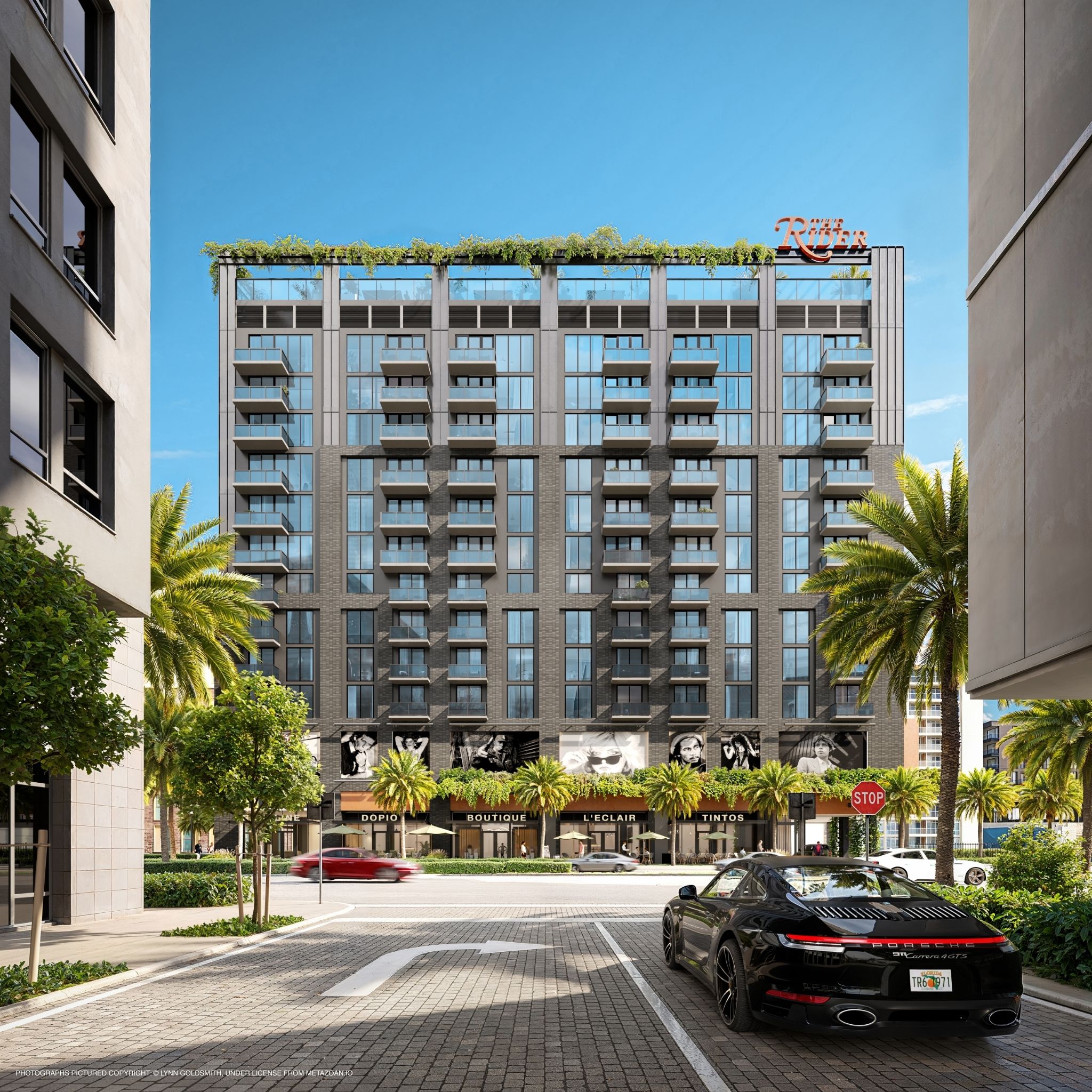
A new wave of energy is coming to Miami’s Wynwood-Midtown corridor, where Rilea Group and Ciprés have secured a $90 million construction loan from Mexico’s Banco Inbursa to fund development of The Rider Residences, a 12-story, 146-unit luxury condominium slated for completion in 2027.
The financing, arranged by Javier Herrera of Franklin Street, signals strong international confidence in Miami’s boutique luxury condo market — particularly for projects that fuse design, culture, and technology.
A Boutique Vision Rooted in Art and Urban Culture
Following a February 2025 groundbreaking, vertical construction is set to begin later this year at 94 NE 29th Street, a site located steps from Whole Foods and across from Amazon’s upcoming Miami headquarters. Designed by Deforma Studio with interiors by RADYCA, The Rider draws inspiration from 1970s music, fashion, and film, pairing SoHo-style industrial architecture with Miami’s contemporary art-driven aesthetic.
“The Rider represents a new benchmark for design-driven living in Miami, blending architecture, art, and culture in a way that feels both distinctive and timeless,” said Diego Ojeda, Founder of Ciprés and President of Rilea Group. “Partnering with Banco Inbursa, one of the most respected names in international development finance, underscores the strength of this vision. Their confidence in The Rider reflects the project’s unique appeal, and our collaboration has been instrumental in bringing it to life.”
Residences at The Rider will be delivered fully furnished, ranging from studios to three-bedroom units (386 to 1,612 square feet) with pricing from the $500,000s to over $2.5 million. Buyers are responding to The Rider’s bold, art-driven lifestyle, with strong pre-sales activity fueled by demand from European, South American, and New York buyers. The project’s distinctive design, prime location, and flexible ownership model have helped generate significant early momentum in Miami’s competitive luxury condo market.
Design Details: Where Retro Meets Refined
Inside, RADYCA — known for its superyacht and high-end residential work — layers bold textures, mid-century furnishings, and a $1 million fine-art photography collection from Morrison Hotel Gallery and Iconic Images Gallery. Residences feature Bertazzoni appliances, Italkraft cabinetry, Cosentino Dekton countertops, and Porcelanosa bath fixtures, complemented by smart home technology and impact-resistant windows.
The building’s amenities are designed as an urban resort: a rooftop pool with skyline views, restaurant and speakeasy accessible via private elevator, pet spa, wellness center with cold plunges, infrared saunas, IV therapy, and a traditional Hammam/Turkish bath. Other highlights include private office suites, a hi-fi vinyl listening room, and a fleet of Harley-Davidson motorcycles, Vespas, and e-bikes available to residents.
Forward-Thinking Development Backed by Global Capital
The Rider marks one of the few Miami condo developments to accept cryptocurrency transactions, part of a growing push toward tech-integrated living. Its location — at the intersection of Wynwood, Midtown, Edgewater, and the Design District — places it at the epicenter of Miami’s creative and economic renaissance.
Banco Inbursa, part of Grupo Financiero Inbursa and majority-owned by billionaire Carlos Slim, has expanded its Miami footprint since 2008, financing several high-profile developments. The bank cited The Rider’s “distinctive design and visionary team” as key factors in its decision to back the project.
A Legacy of Miami Innovation
Rilea Group, founded in 1981, has developed over 10 million square feet of real estate in South Florida, including 1450 Brickell, The Bond on Brickell, and One Broadway. The Rider marks the first residential project under its Ciprés brand — a concept founded by Ojeda to blend European elegance with Miami’s contemporary creative energy.
Construction is being led by Beauchamp Construction, one of the region’s most experienced general contractors.