Nobu Hospitality and Foster + Partners Reveal 619 Brickell — Luxury Tower Rising Just South of Icon Brickell
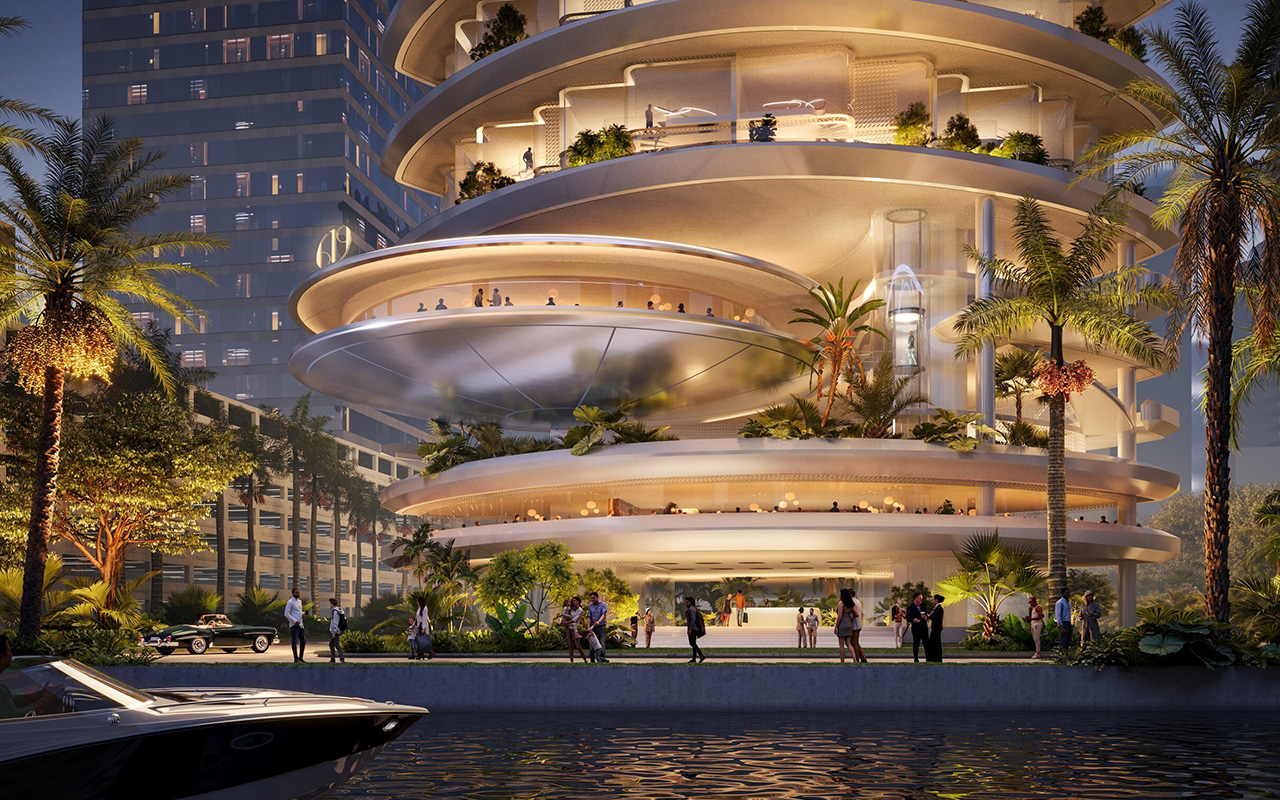
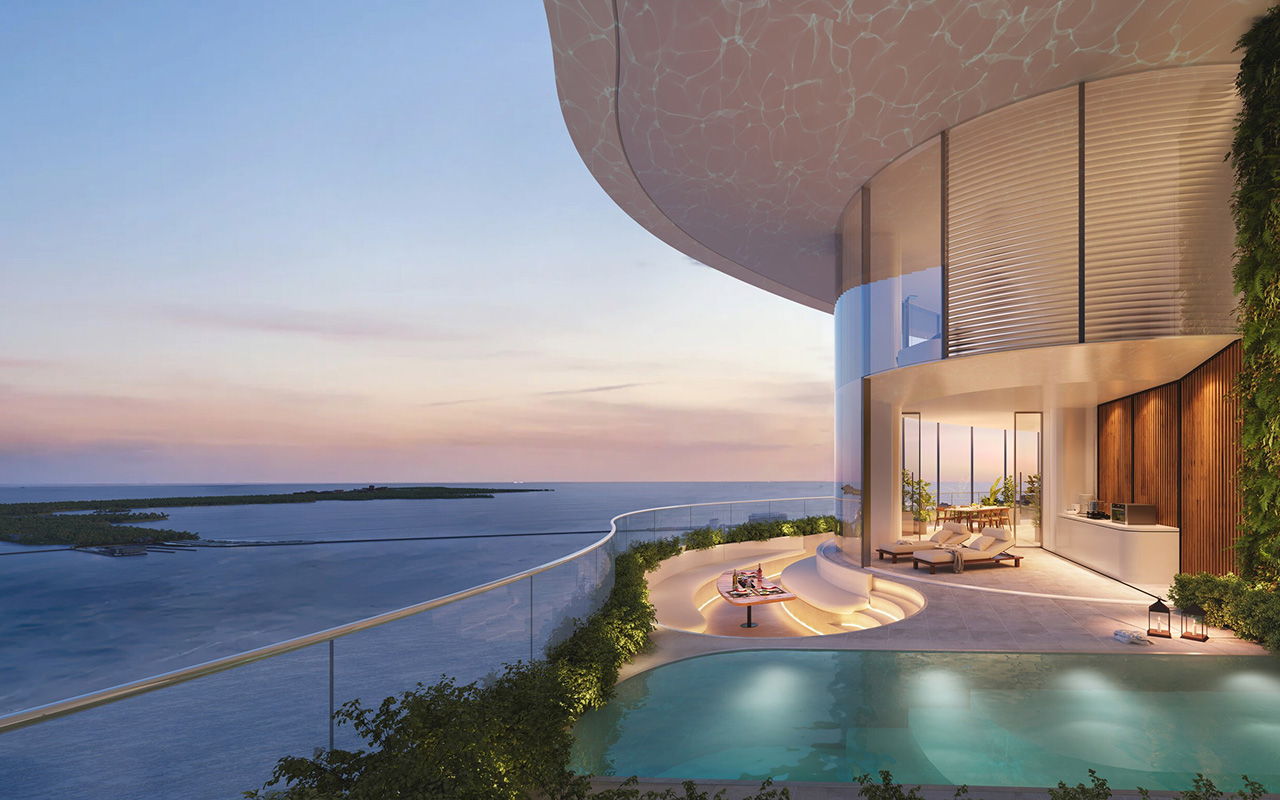
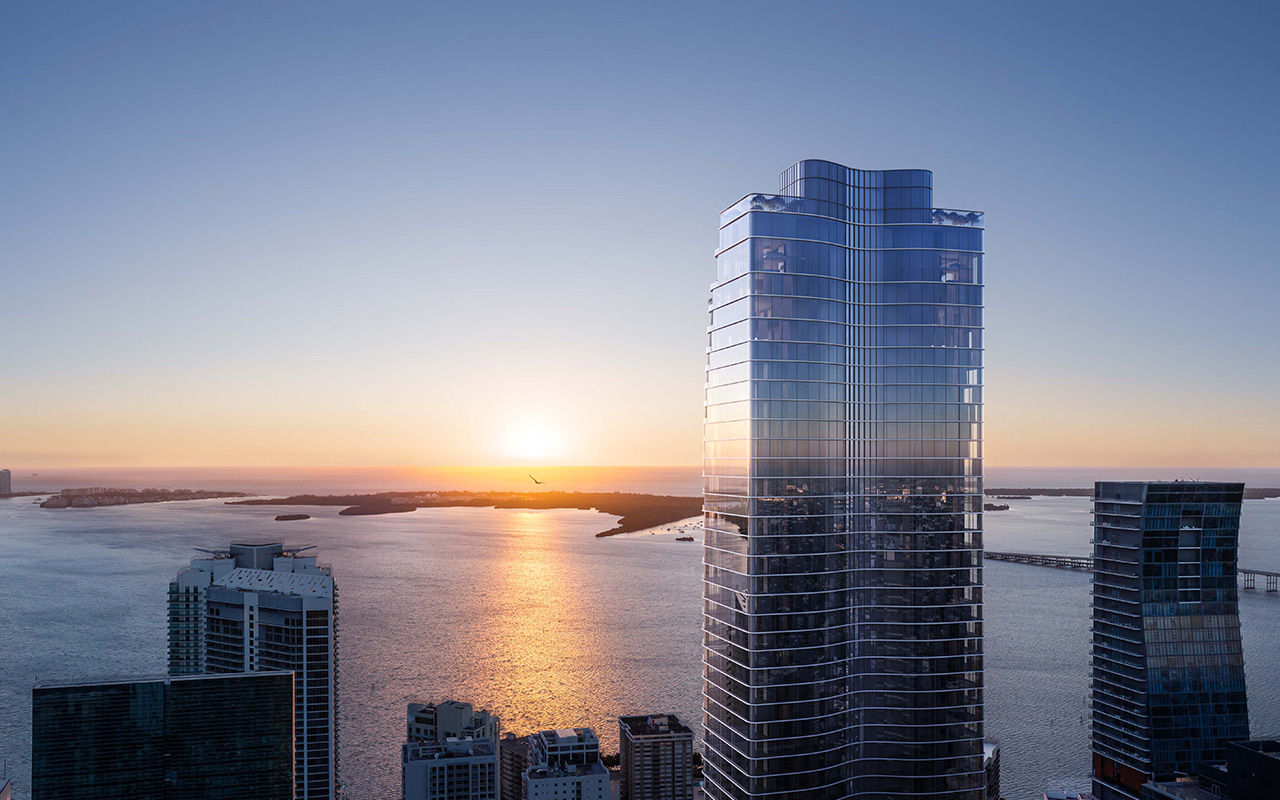
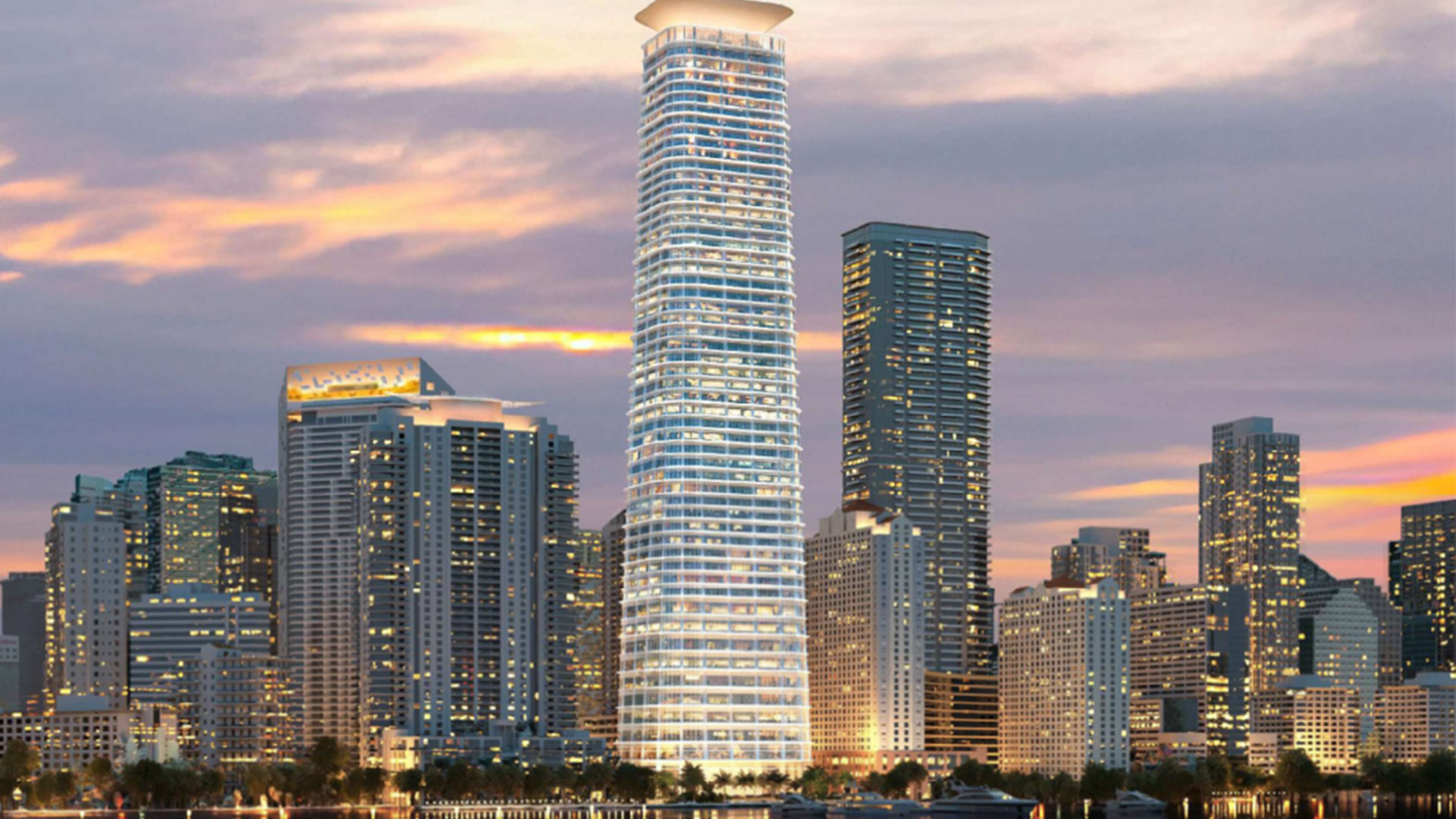
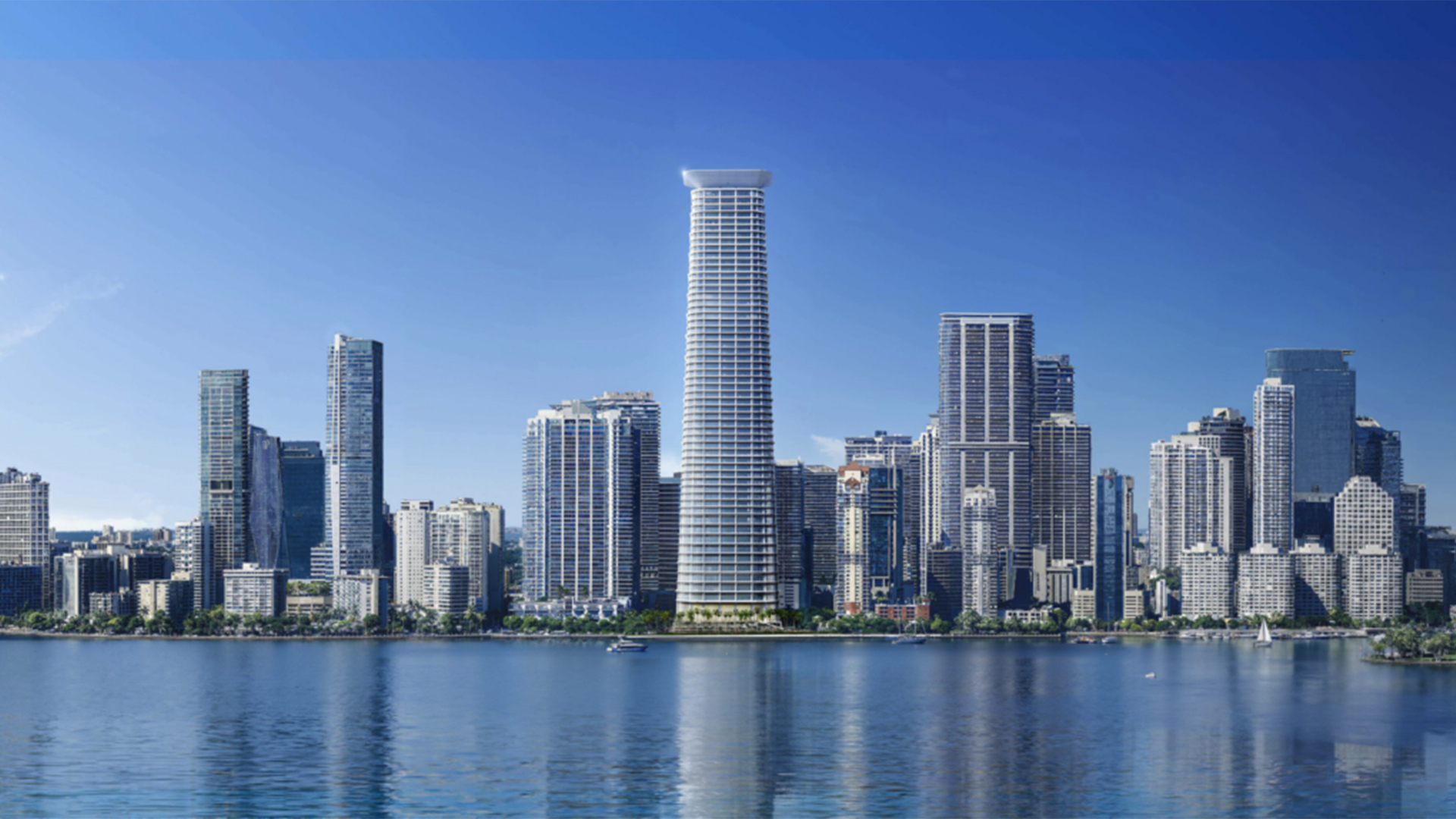
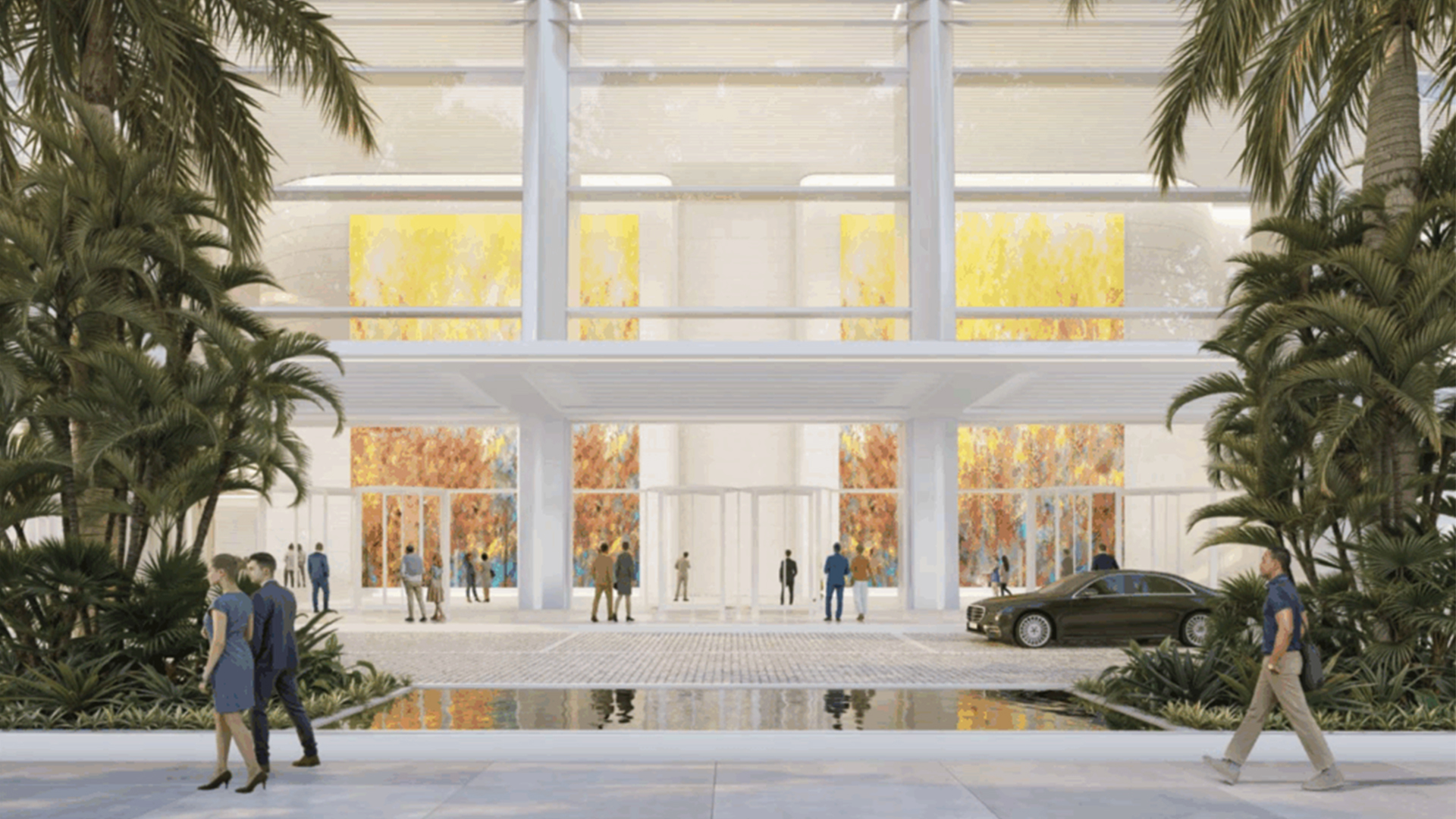
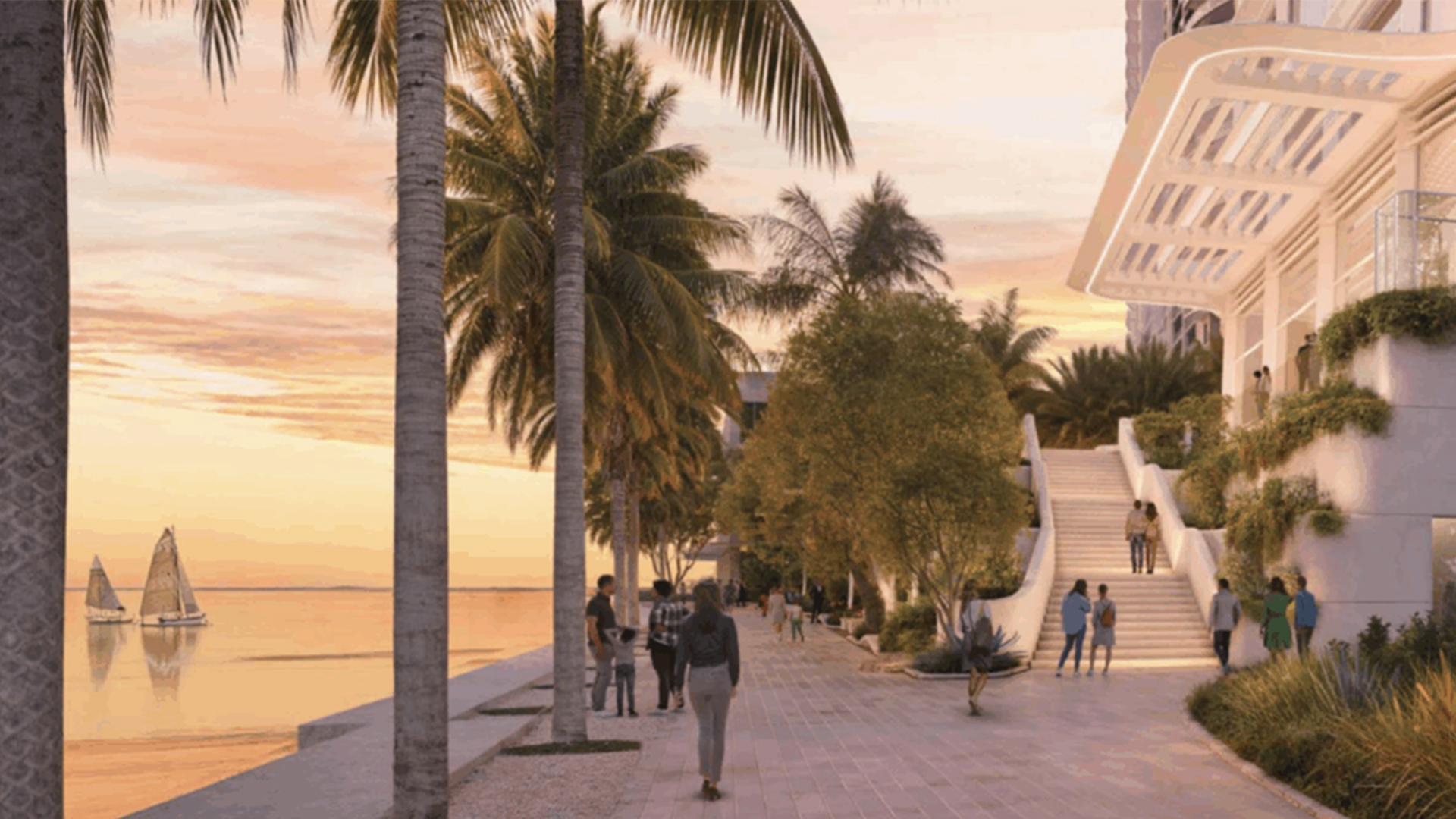
Nobu Hospitality and world-renowned architecture firm Foster + Partners have officially announced 619 Brickell, a 74-story luxury residential tower set to rise in the heart of Miami’s Brickell district. The project marks Nobu’s first branded residence in Miami and a major milestone for the city’s ever-evolving skyline. Designed by Foster + Partners in collaboration with Sieger Suarez Architects, 619 Brickell will bring together the artistry of Japanese minimalism with the contemporary sophistication that defines Miami’s urban core. The development will be located immediately south of Icon Brickell, placing it along one of Brickell’s most desirable waterfront stretches with sweeping views of Biscayne Bay.
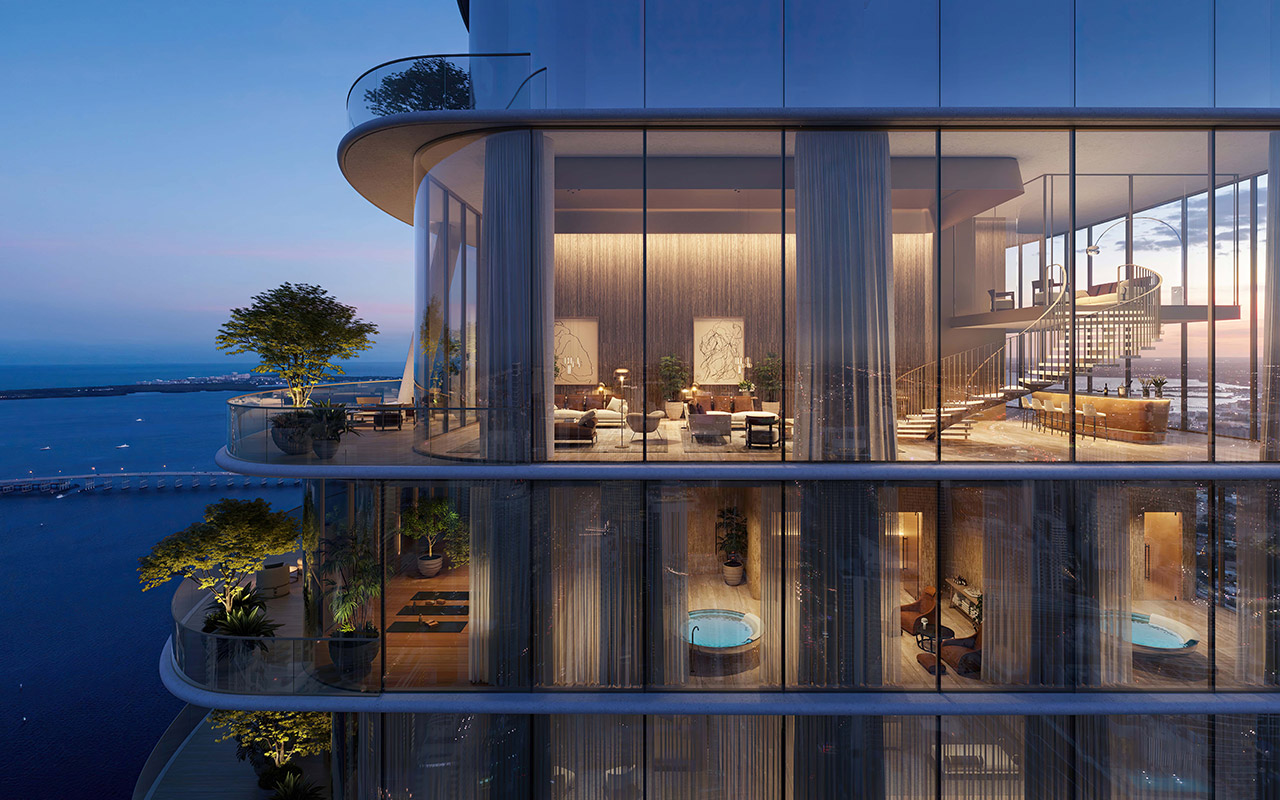
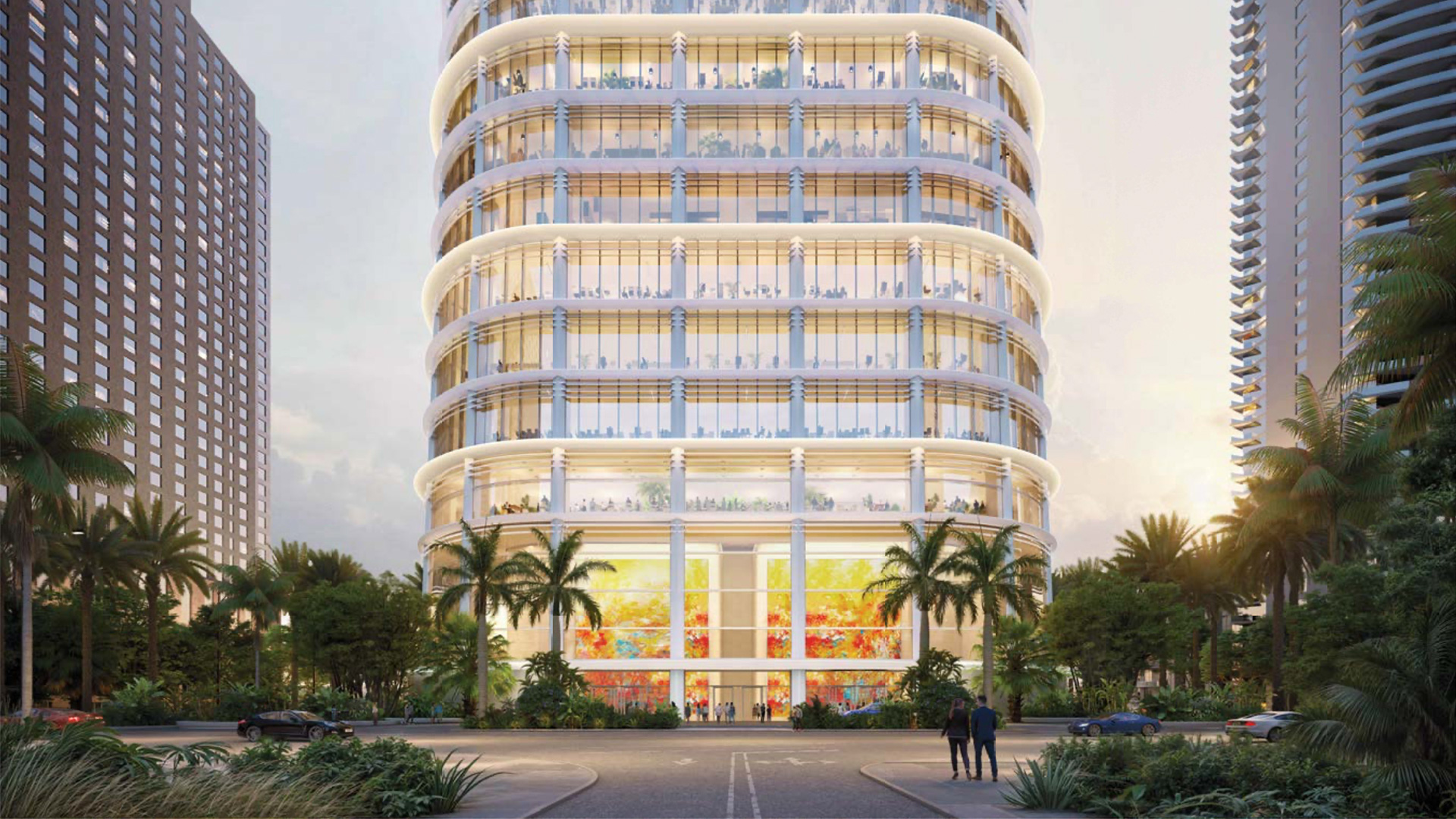
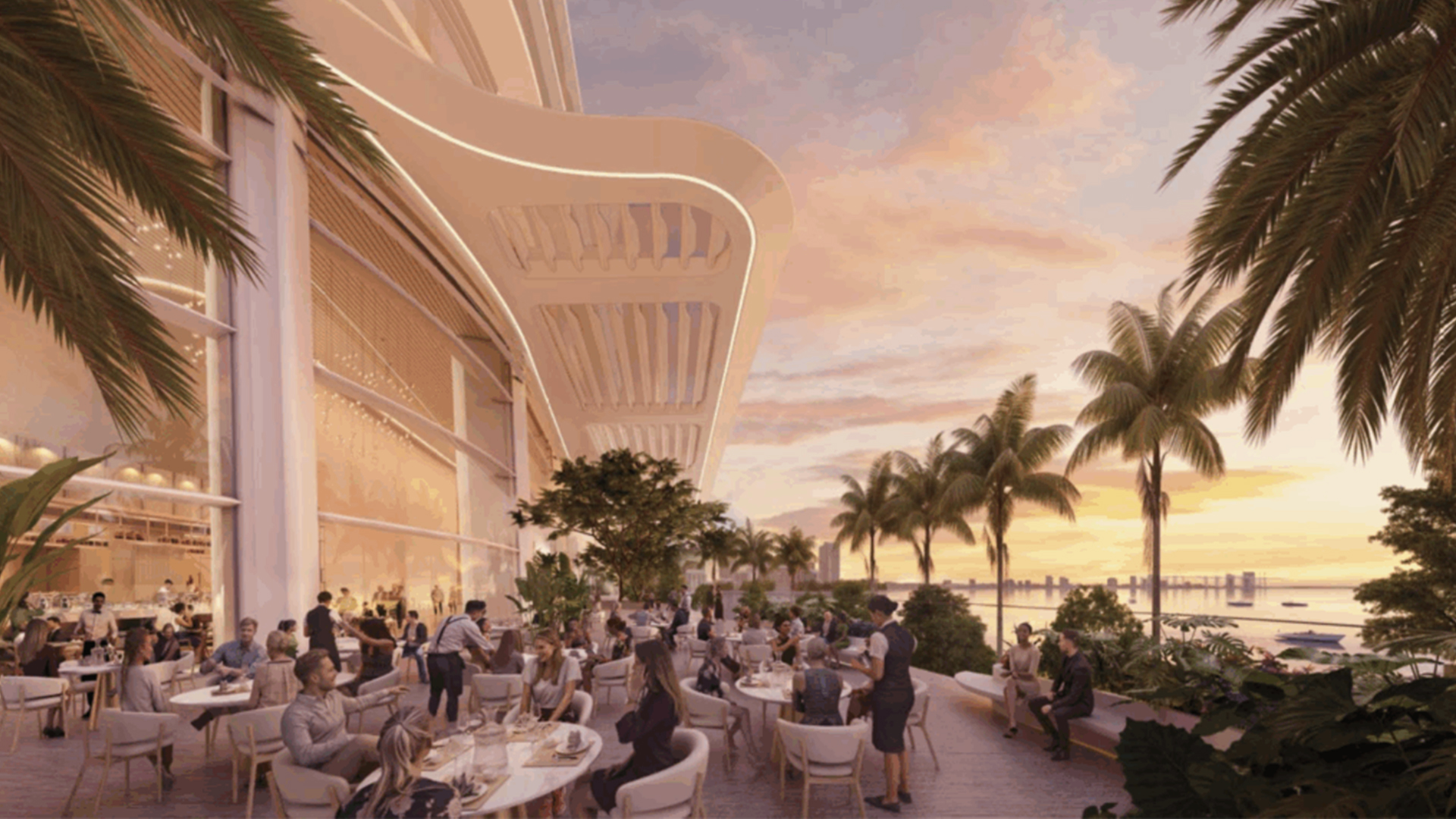
According to the official announcement, 619 Brickell will include approximately 300 luxury residences paired with 90,000 square feet of private amenities. The amenity offerings are expected to rival the city’s top luxury developments, featuring a full-service spa and wellness retreat, a state-of-the-art fitness center, a poolside café, and dedicated residents’ lounges. In true Nobu fashion, the building will also introduce Miami’s second Nobu restaurant, which will occupy the ground level and feature a distinctive circular design overlooking Biscayne Bay. The integration of the restaurant directly into the tower’s design underscores the development’s focus on merging hospitality and home living—offering residents the seamless Nobu lifestyle experience that has made the brand a global symbol of luxury.
Foster + Partners’ vision for 619 Brickell embraces a blend of natural materials, open spaces, and organic textures to reflect Nobu’s timeless design ethos. The architecture is expected to complement Miami’s skyline while introducing a refined new silhouette to a stretch of Brickell defined by commercial and residential towers. Developers 13th Floor Investments and Key International described the project as “the perfect convergence of design, service, and lifestyle,” emphasizing their goal of elevating Miami’s standard for branded residential living.
For the Miami real estate market, 619 Brickell represents a major moment in the ongoing evolution of branded residences. Nobu’s expansion into Miami reflects a growing global trend of hospitality brands entering the luxury condominium sector, offering not just architectural prestige but also curated service and lifestyle experiences. The collaboration with Foster + Partners adds architectural weight to the project, ensuring 619 Brickell will stand out in both design and stature.
Beyond the brand name, 619 Brickell’s location immediately south of Icon Brickell positions it among Miami’s most valuable parcels of waterfront land. Its proximity to Brickell Key, Brickell City Centre, and the city’s financial center gives it unparalleled access to both business and leisure. With 90,000 square feet of amenities and a waterfront Nobu restaurant, the development is poised to redefine luxury living in Brickell, fusing culinary excellence with world-class residential design.
As details surrounding unit mix, pricing, and delivery timelines begin to surface, 619 Brickell is expected to draw strong interest from investors, brokers, and buyers seeking a new level of branded sophistication in Miami. For those tracking Miami’s luxury condo landscape, the announcement further underscores the city’s continued rise as one of the world’s premier destinations for design-driven, lifestyle-oriented real estate.
Ytech Secures $565M Construction Loan for The Residences at 1428 Brickell
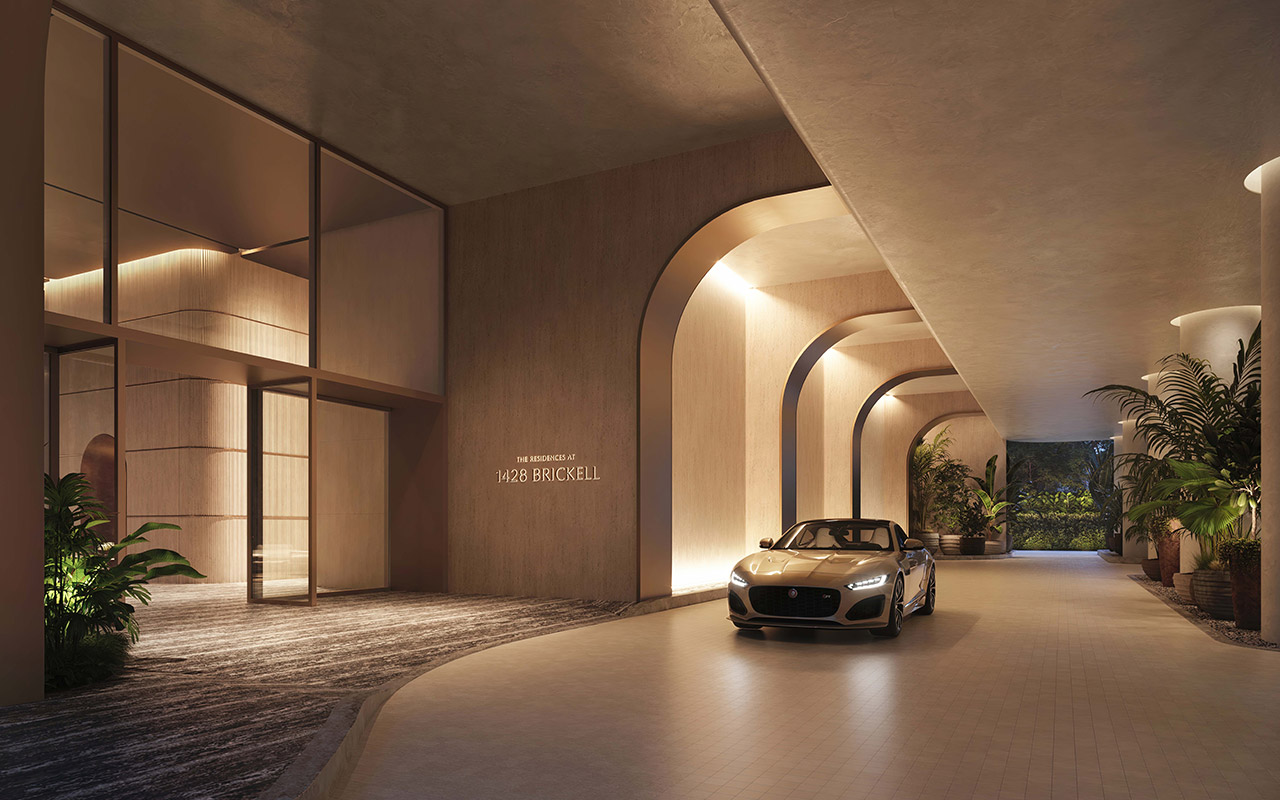
On November 3, 2025, JLL’s Capital Markets team announced the arrangement of approximately $565.35 million in construction financing for The Residences at 1428 Brickell, a 70-story ultra-luxury condominium tower being developed by Ytech in Miami’s Brickell Financial District. The floating-rate loan has a term of approximately 4.25 years and is provided by senior lender JPMorgan Chase and junior lender Sculptor Real Estate. This financing marks one of the largest construction loans closed for a condo development in South Florida in 2025, signaling strong institutional confidence in Ytech’s project and the Brickell luxury condo market more broadly.
Project Overview and Unique Features
The Residences at 1428 Brickell will comprise 195 luxury homes spanning two- to four-bedroom plus den configurations, with unit sizes ranging from approximately 1,800 to 8,900 square feet. Designed by renowned architecture firms ACPV Architects (led by Antonio Citterio) and Arquitectonica, the tower will feature an innovative “solar backbone” on its west façade that incorporates more than 500 photovoltaic-integrated glass panels (nearly 20,000 square feet) to partially power the building. Additionally, the development will offer roughly 80,000 square feet of resident-only amenities—such as resort-level pools, a two-story Owners Club, wellness facilities and a rooftop observatory—reinforcing the ultra-luxury positioning of the building. Groundbreaking took place in November 2024 and the largest mat foundation pour ever executed in Brickell was completed in September 2025. 1428 Brickell is slated for delivery in Q4 2028.
Sales Momentum and Market Implications
As of October 2025, the project had achieved approximately 57% presold status, demonstrating meaningful early demand despite a broader macro environment of rising costs and shifting condo market dynamics in South Florida. International buyers, particularly from Latin America and Europe, as well as domestic buyers from cities like New York, Chicago and San Francisco, are reportedly participating in the sales.
The successful financing underscores the market’s confidence in high-end condo developments in Brickell—especially those that offer differentiated features like sustainability integration, large-format units, and full-service amenities. The scale of the loan also suggests that lenders continue to deploy significant capital into luxury residential product even as some sectors of real estate face headwinds.
Why This Deal Matters for Miami Real Estate
Capital markets validation: A $565 million loan demonstrates that financial institutions are willing to back large-scale luxury condo projects in Miami, even amid rising interest rates and construction cost pressures.
Sustainability and innovation: The solar-integrated façade sets a new benchmark for ultra-luxury residential product by combining high-design with energy-producing glass—an attribute that may help differentiate in a competitive market.
Luxury product demand: The presale performance (57%+ sold) highlights strong buyer demand for larger, premium residences—averaging over 1,800 square feet—in Brickell, a neighborhood traditionally known for smaller, investor-oriented units.
Construction momentum: With the mat pour already completed and delivery scheduled for 2028, the project is now entering a phase of execution with secured financing, which often de-risks the proposition for buyers and lenders.
In summary, by securing a landmark financing package and progressing into construction, The Residences at 1428 Brickell is poised to become a standout entry in Miami’s ultra-luxury condo segment. For developers, lenders, buyers and market watchers alike, this deal reflects both the elevated expectations of luxury real estate today and the evolving standards for design, sustainability and amenities.
Selva Miami Nightclub Set to Open November 15th in Brickell
Brickell’s nightlife scene is about to reach a new level of sophistication with the highly anticipated opening of Selva Miami, a jungle-inspired nightclub from the internationally acclaimed restaurant brand Amazónico. Following months of speculation and teasers, it has now been confirmed that Selva will officially open its doors on November 15, 2025, at 800 Brickell Avenue, directly above Amazónico Miami.
When news first broke in August, the only detail known was that Selva was expected to open sometime in the fall. With the date now set, excitement is quickly building around what promises to be one of the most talked-about nightlife debuts of the year. The concept, described as “the dark side of the jungle,” aims to bring an immersive, high-energy experience to Brickell—combining lush tropical interiors, global beats, and the refined flair that Amazónico has become known for worldwide.
Selva Miami will occupy the upper level of the Amazónico space, marking the first time the celebrated hospitality group has introduced a standalone nightclub under its brand umbrella. With successful restaurant locations in London, Madrid, Dubai, and Monte Carlo, Amazónico’s Miami outpost has already made a strong impression since opening in September. Now, Selva is set to extend that same energy into the late-night hours, offering a seamless transition from fine dining to full-scale nightlife in the heart of Brickell.
The arrival of Selva represents more than just another club opening—it signals a shift in Brickell’s identity as a round-the-clock destination. Long known for its skyline of luxury condominiums, fine dining, and financial institutions, the neighborhood has increasingly become a hub for social life and entertainment. Until now, however, few venues in Brickell have offered the kind of full-scale nightclub experience typically found in South Beach or Wynwood. Selva’s debut could mark a new era for Brickell, drawing a global crowd of tastemakers, professionals, and nightlife enthusiasts seeking a more elevated experience closer to home.
The design and atmosphere of Selva remain closely guarded secrets, but renderings and brand materials suggest a dramatic, rainforest-inspired aesthetic consistent with Amazónico’s signature jungle motif—only darker, sexier, and more theatrical. Guests can expect world-class DJs, live performers, bottle service, and an immersive environment blending art, sound, and design in true Amazónico fashion. The venue’s location above Amazónico’s three-level restaurant and lounge also suggests a natural synergy between the two experiences, allowing diners to transition effortlessly from dinner to dancing.
For Brickell residents and condo investors, openings like Selva enhance the neighborhood’s lifestyle appeal and reinforce its reputation as Miami’s most complete urban district. A marquee nightlife destination can have ripple effects on nearby real estate, hospitality, and tourism, further energizing the area’s already vibrant scene. The timing is also strategic—Miami’s hospitality market continues to attract global brands eager to establish a presence ahead of major upcoming events, including Art Basel and the 2026 FIFA World Cup.
As the countdown to November 15th begins, anticipation is mounting for what could become one of Miami’s most iconic nightlife experiences. Selva Miami is poised to be more than just a club—it’s a statement of how far Brickell has come as a global destination where luxury, lifestyle, and nightlife intersect.
CAVA Opens at 801 Brickell, Bringing Mediterranean Flavor to Miami’s Trophy Office Tower
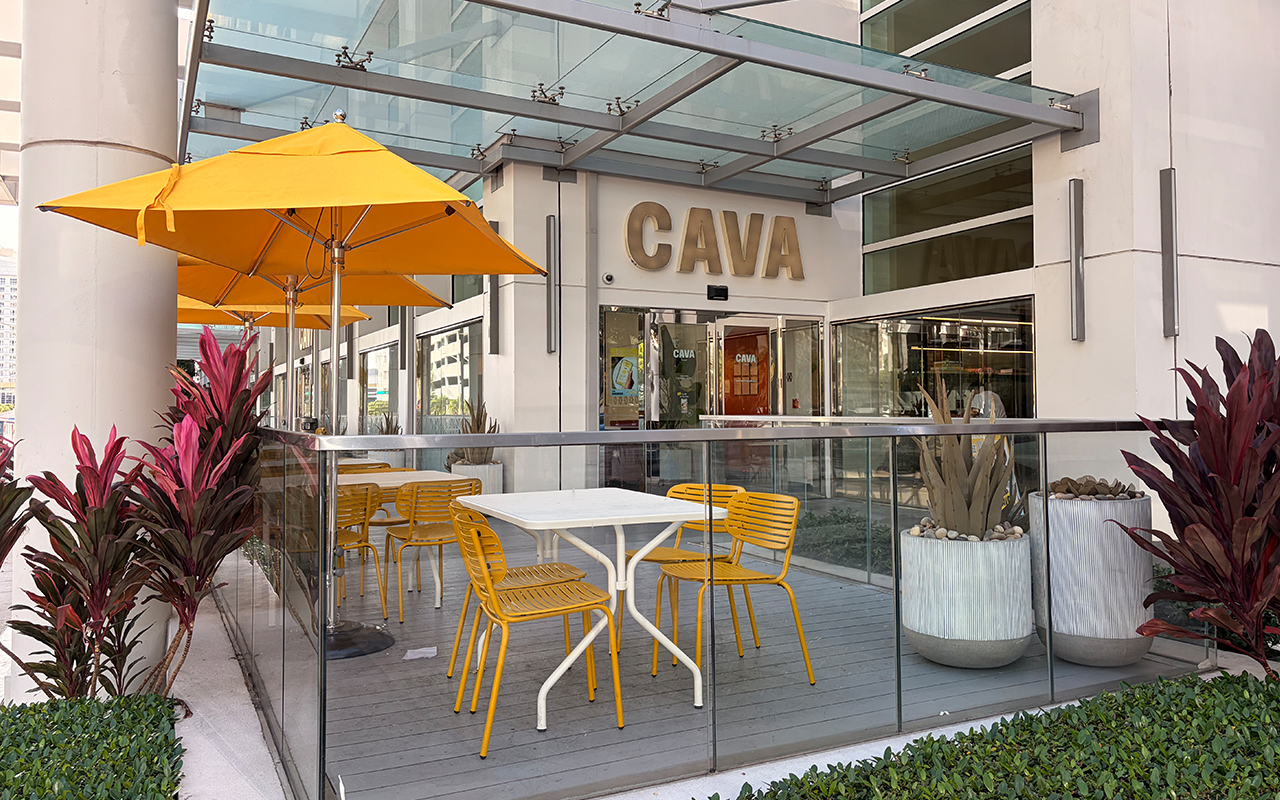
CAVA, the nationally acclaimed Mediterranean fast-casual restaurant, has officially opened its doors at 801 Brickell, a trophy Class A office tower in the heart of Miami’s Financial District. The new 2,708-square-foot space marks CAVA’s first Brickell location and part of the brand’s growing expansion across South Florida.
Colliers South Florida represented ownership in the lease, with Stephen Rutchik, Vice Chair, and Tom Farmer, Vice President, leading the transaction. The addition underscores 801 Brickell’s transformation into a hospitality-driven workplace destination—one that prioritizes convenience, connection, and a refined tenant experience.
A Hospitality-Focused Approach to the Office Experience
Ownership at 801 Brickell has redefined what a trophy office tower can offer, curating a mix of lifestyle amenities that bring energy to the property well beyond the traditional workday. The ground-floor lineup now includes Ludlow Coffee Supply, Komodo Miami, and, arriving in early 2026, PopUp Bagels—the cult-favorite New York bagel brand making its Miami debut.
“Ownership has thoughtfully curated ground-floor amenities that deliver seamless, all-day convenience for tenants and guests,” said Stephen Rutchik of Colliers South Florida. “It’s about creating vibrancy and community throughout the day.”
CAVA Expands Its South Florida Footprint
With its latest opening at 801 Brickell, CAVA now operates three locations across Miami-Dade County—in Hialeah, Brickell, and soon Aventura, where the brand’s newest restaurant at 18801 Biscayne Boulevard will open October 31, 2025. The company’s South Florida expansion began earlier this year with the Hialeah location, which marked CAVA’s first in the region.
Each location embodies the brand’s mission to make healthy, flavorful Mediterranean dining accessible and convenient. The Brickell restaurant features both indoor and patio seating, as well as digital ordering and delivery options, catering perfectly to the fast-paced energy of the Financial District.
Guests can build customizable bowls, pitas, and salads using bold ingredients like grilled proteins, seasonal dips, and signature toppings. Menu favorites include Chicken Shawarma, spicy lamb meatballs, pita chips, and house-made juices—all crafted to deliver freshness and balance in every bite.
Colliers’ Role in Shaping Miami’s Trophy Office Landscape
This latest transaction reflects Colliers South Florida’s leadership in redefining how Miami’s premier office properties engage tenants and the surrounding community. By introducing celebrated national brands like CAVA to strategically positioned assets such as 801 Brickell, Colliers continues to help ownership groups deliver the kind of hospitality-driven experiences that attract and retain top tenants.
As the city’s office market evolves—anchored by landmarks like 830 Brickell and other trophy assets—801 Brickell is standing out through thoughtful amenity curation and lifestyle integration. The arrival of CAVA marks another step in that evolution, offering a fresh and flavorful addition to Brickell’s growing culinary scene.
$2.5 Billion Construction! How Citadel’s Miami Supertall Stacks Up—in Miami, Florida, and the U.S.
Citadel Chief Executive Officer Ken Griffin recently told Bloomberg that Citadel’s planned headquarters tower on Brickell Bay Drive will cost about $2.5 billion. The Foster + Partners–designed supertall is approved to reach 1,049 feet—Miami’s current FAA maximum—and, per recent filings/coverage, is planned for 58 floors (mixed office and hotel).
Would $2.5 Billion be the Most Expensive in Miami?
Very likely, yes. Among publicly reported tower budgets in Miami, nothing else approaches $2.5 billion. As a reference point, the 868-foot Panorama Tower opened with an estimated $800 million budget—far short of $2.5 billion—underscoring how extraordinary Citadel’s figure is.
Bottom line (Miami): Citadel Tower is poised to be the most expensive single tower ever built in Miami based on available public reporting.
Would $2.5 Billion be the Most Expensive in Florida?
Also very likely. Florida has seen mega-projects, but publicly disclosed single-tower budgets at or above $2B are exceptionally rare. At ~$2.5 billion, Citadel’s tower would almost certainly set a new statewide benchmark for a lone high-rise building.
Would $2.5 Billion be the Most Expensive in United States?
No. A few U.S. towers have exceeded $2.5 billion. Notably One World Trade Center reportedly cost about $3.8 billion while One Vanderbilt in NYC is cited to have cost around $3.31 billion. That places Citadel’s $2.5B below the national peak but squarely in the ultra-elite cost tier.
Height & Floors—and Why 58 Stories at 1,049 Feet is Wild
Citadel Tower will match Miami’s other two headline supertalls—Waldorf Astoria Residences Miami (100 stories) and 888 Brickell (90 stories)—at 1,049 feet. But Citadel plans only 58 floors to reach the same height. That implies very tall floor-to-floor heights (think large trading floors, showpiece lobbies, amenities/crown, and mechanical volumes) compared with slender residential towers that pack more floors into the same height.
To illustrate the “tall floors” idea, here’s a rough average height per floor (simply total height ÷ floor count; this is an approximation because spires/crowns/mechanical levels vary by building):
For context with prominent U.S. office supertalls (which also favor taller floor-to-floor dimensions):
Comcast Technology Center (Philadelphia) — 1,121 feet / ~60 stories ≈ 18.7 feet per floor
Salesforce Tower (San Francisco) — 1,070 feet / 61 stories ≈ 17.5 feet per floor
Bank of America Tower (NYC) — 1,200 feet / 55 stories ≈ 21.8 feet per floor
One Vanderbilt (NYC) — 1,401 feet (including the spire) / 59 stories ≈ 23.7 feet per floor (Note: roof without the spire is 1,301 feet / only using roof height ≈ 22.1 feet per floor)
Takeaway: Citadel’s ratio sits right in the pocket for modern, trophy-grade office supertalls, and miles above typical residential floor-to-floor averages. The same 1,049-ft cap yields 58 office-caliber floors at Citadel versus 90–100 residential floors at 888/Waldorf.
Why the $2.5 Billion Price Tag Makes Sense for an Office Supertall
Program & quality: Large trading floors, premium MEP systems, high-spec curtain wall, and signature public/amenity spaces drive costs far above typical condo towers.
Inflation & scope: Griffin himself cited construction inflation and design enhancements as drivers from an earlier ~$1 billion idea to ~$2.5 billion today.
Benchmarking: Compared with top-tier U.S. office icons (One Vanderbilt, One WTC), the budget level is consistent with world-class corporate HQ ambitions.
The Citadel Tower at 1201 Brickell Bay Drive in Brickell Miami is currently in permitting and design refinement stages, and Griffin recently noted construction is expected to begin mid-to-late 2026. While a firm “completion date” has not been publicly reported, early filings suggest a typical build-out of five or more years, which would place full completion in the early 2030s.
888 Brickell by Dolce & Gabbana Unveils Spectacular New Promo Video Redefining Miami Luxury
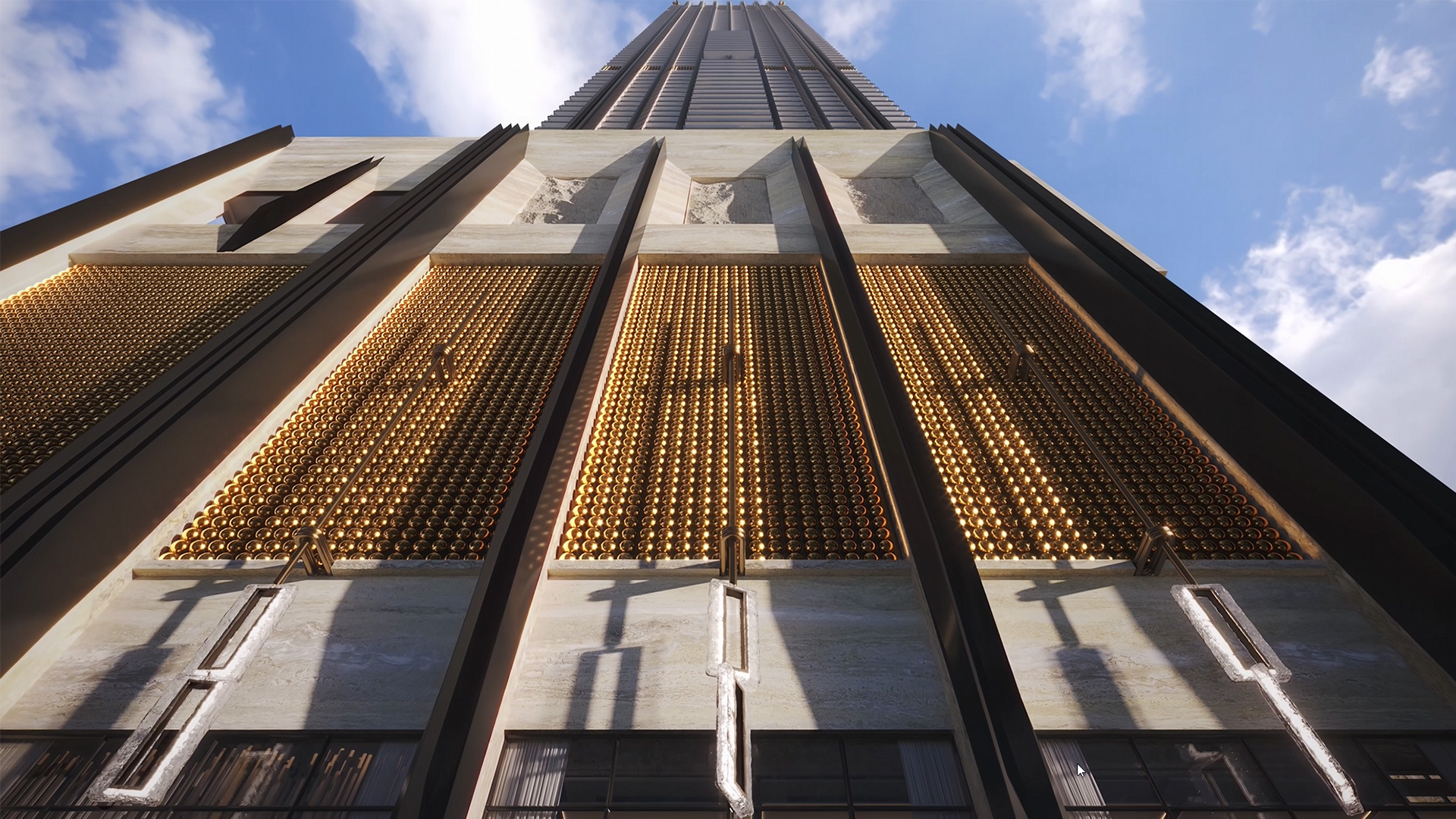
The recently released 4-minute promo video for 888 Brickell by Dolce & Gabbana delivers a cinematic preview of what’s set to become one of Miami’s most iconic towers. Rising 90 stories and 1,049 feet tall, this ultra-luxury development marks the first-ever Dolce & Gabbana residence and hotel tower in the United States. The video captures the essence of Italian craftsmanship fused with Miami’s vibrant energy—showcasing the building’s Roman travertine façade, black metal cladding, and signature golden crown, all designed to make a bold architectural statement in the heart of Brickell.
Inside, the video reveals what the developers call a “world onto its own,” where every space evokes a distinct mood inspired by Dolce & Gabbana’s design heritage. Each residence will come fully furnished and finished by Dolce & Gabbana, with buyers able to choose from four curated palettes, including Sahara Noir and Travertino Giallo. The film also highlights over 115,000 square feet of amenities—from Miami’s first indoor paddle court and signature dining venues to a wellness center, Rolls-Royce house car, and the much-anticipated Dolce & Gabbana Hotel component. Together, these elements redefine the meaning of luxury living, blurring the line between home, hospitality, and high fashion.
Developed by JDS Development Group, the tower reflects the company’s reputation for engineering excellence and skyline-shaping projects. Beyond its design and amenities, 888 Brickell’s location places residents steps from Miami’s financial hub, fine dining, and culture, positioning it as a symbol of the city’s global rise. The video’s message is clear—this is more than a residence; it’s a lifestyle statement. Watch the full promo below and see how Dolce & Gabbana is reimagining luxury living in Miami.
Meliá Residences Miami: Former Visions at Brickell Station Rebrands Under Global Hotel Brand
A new name is reshaping one of Brickell’s most intriguing condo-hotel projects. The development formerly known as Visions at Brickell Station has officially been rebranded as Meliá Residences Miami, marking the U.S. debut of Spanish hospitality giant Meliá Hotels International in the branded-residences sector. The rebrand brings renewed attention to the project—and reflects a broader movement toward hotel-serviced luxury living in Miami’s urban core.
A New Chapter for a Brickell Development
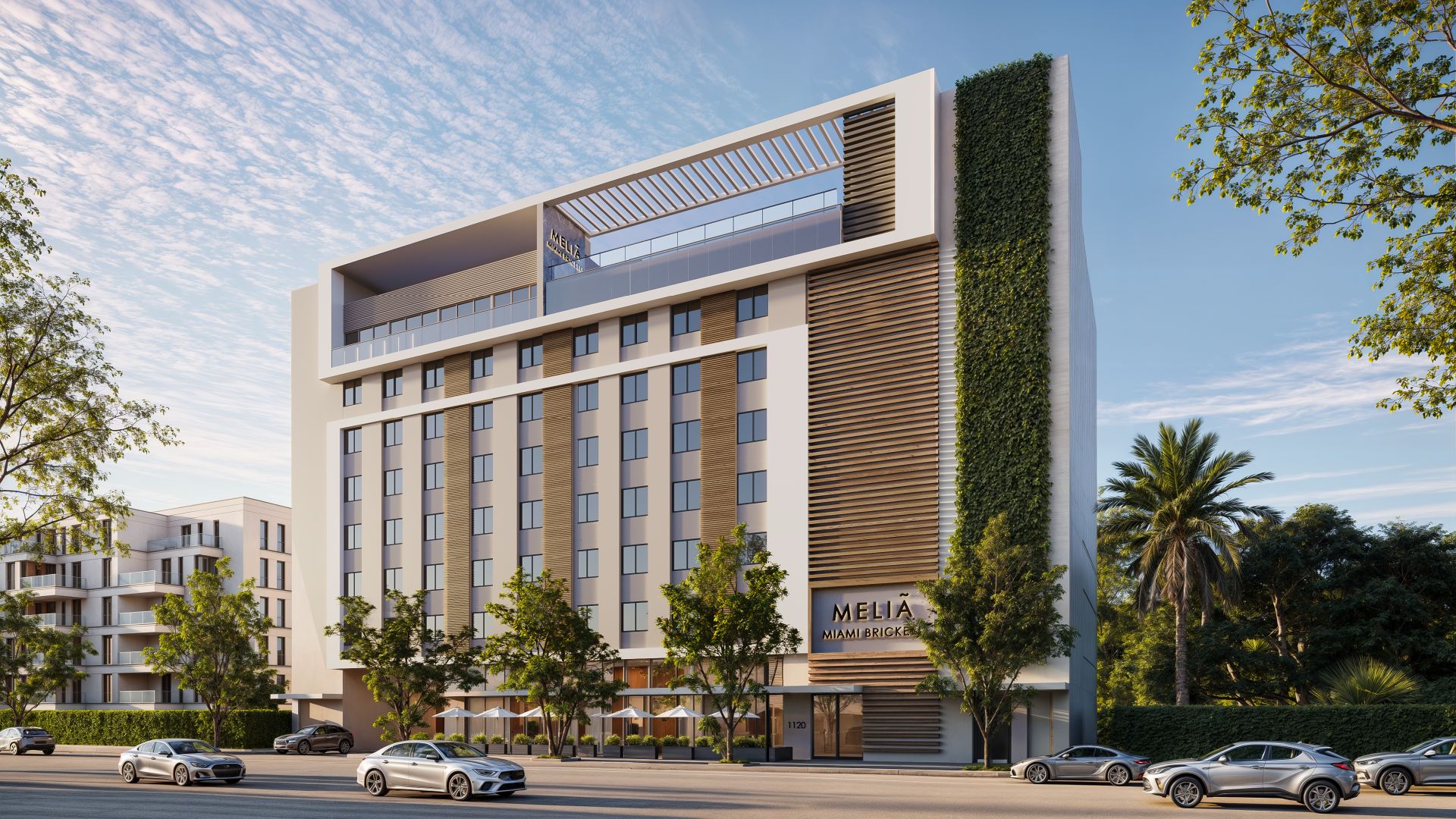
Located at 1120 SW 3rd Avenue, just steps from the heart of Brickell, the property is being developed by Urban Network Capital Group (UNCG), led by Robert Thorne. What began as an independent condo-hotel concept has evolved into a globally backed venture under the Meliá flag, bringing with it the prestige and hospitality standards of a brand with more than 350 hotels across 40 countries.
Under the new branding, the project will deliver approximately 110 fully furnished residences, blending the comfort of private ownership with the services and amenities of a luxury hotel. The residences will range from studios to one-bedroom layouts, each eligible for inclusion in a hotel-style rental program managed by Meliá.
Lifestyle and Amenities
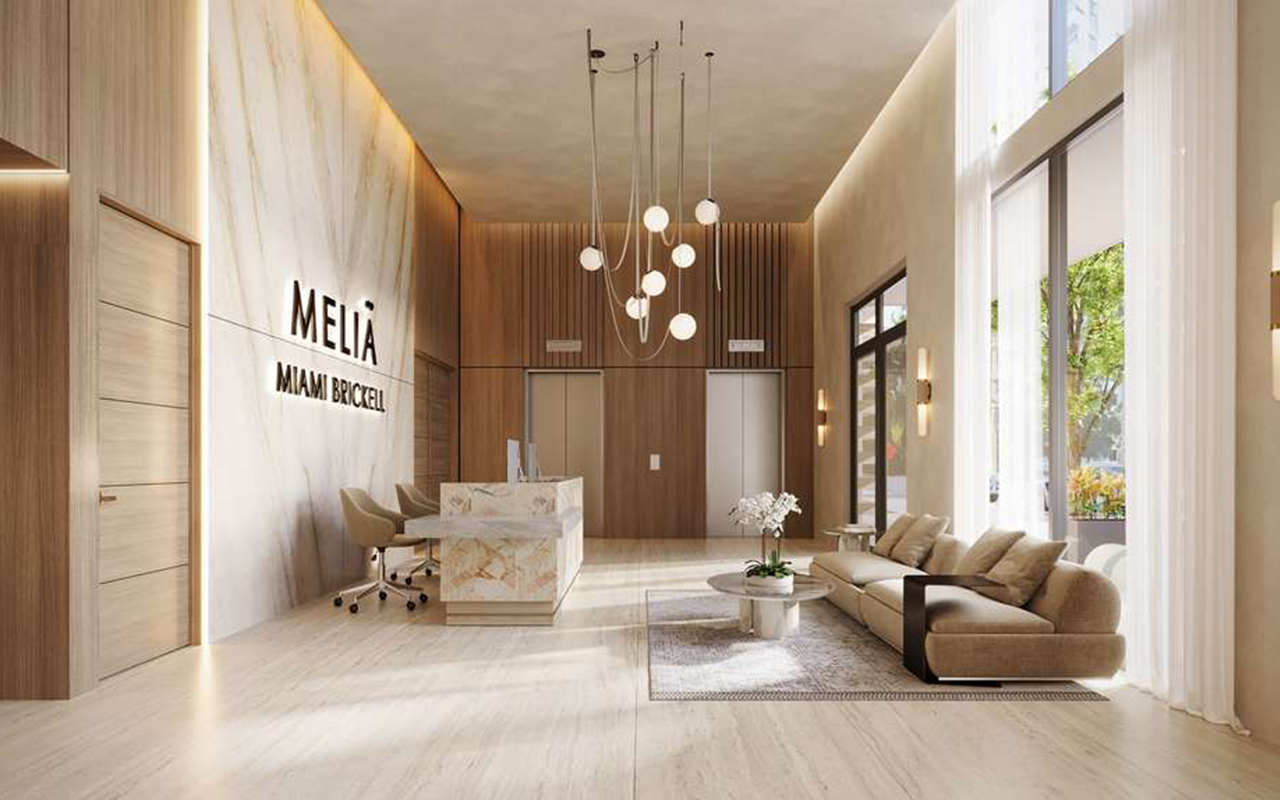
As Meliá’s first branded residences in the United States, the project sets a new standard for hospitality-driven living in Miami. Residents will have access to a curated collection of amenities, including an infinity-edge rooftop pool, wellness center, on-site dining options, 24-hour concierge, valet parking, and a lobby designed to reflect Meliá’s contemporary Mediterranean aesthetic. The combination of hotel-level service, design, and rental flexibility makes it particularly attractive to international buyers and investors seeking turnkey ownership in one of Miami’s most connected districts.
A Strategic Move in a Competitive Market
The rebranding to Meliá Residences Miami represents more than a name change—it’s a strategic repositioning in a rapidly evolving market for branded residences. Miami has become a global epicenter for luxury developments tied to hospitality and fashion brands, with recent launches from Baccarat, Waldorf Astoria, and St. Regis Residences Miami reshaping the skyline. For UNCG, aligning with Meliá adds instant brand equity, international reach, and a distinct identity in a competitive Brickell marketplace.
Meliá’s First U.S. Branded Residences
For Meliá Hotels International, this Miami project represents a milestone—the company’s first entry into the U.S. branded-residences market. Long recognized for its upscale resort and urban hospitality offerings, Meliá’s expansion into residential development underscores a global trend toward merging luxury hotel management with real estate ownership. The brand plans to replicate the model across key North American markets following its Miami debut.
“Private homeownership with the benefits of a fully serviced hotel environment” is how Meliá describes its branded-residence philosophy. In practical terms, that means residents enjoy access to resort-style amenities and staff while maintaining the freedom to live full-time or rent out their unit through the Meliá management platform. This model aligns closely with investor preferences in Miami, where flexible usage and rental income potential drive much of the demand.
The Allure of Brickell
Brickell continues to attract global attention as one of Miami’s most desirable neighborhoods for luxury living. Once known primarily as a financial hub, it has evolved into a lifestyle destination, home to Michelin-starred dining, vibrant nightlife, and architectural landmarks. Projects like Meliá Residences Miami reinforce Brickell’s appeal by offering a fusion of hospitality, design, and investment opportunity within walking distance of the city’s top attractions, including Brickell City Centre and the Underline linear park.
What Buyers and Investors Can Expect
For buyers, Meliá Residences Miami represents an opportunity to own a branded property with international recognition, exceptional management standards, and potential income generation. For investors, the project’s hybrid condo-hotel model may provide an appealing balance between personal use and returns. While pricing details have not yet been released publicly, the rebrand is expected to place the property in a more premium category than its previous iteration as Visions at Brickell Station.
As with all branded residences, buyers should consider factors such as ongoing service fees, rental program terms, and projected occupancy rates. However, with its combination of location, brand prestige, and management structure, Meliá Residences Miami is poised to attract strong interest from both domestic and international clientele.
Construction and Timeline
According to recent updates, construction is expected to be completed within roughly 20 months, with the developer targeting full sellout by that time. UNCG has reportedly secured approximately $30 million in construction financing to advance the build and aims to maintain momentum through the rebrand launch and heightened broker incentives.
A Sign of the Times
The rise of branded residences has been one of the defining real estate trends of the past decade, particularly in global lifestyle cities like Miami, Dubai, and London. By partnering with an established hospitality group like Meliá, developers gain access to an existing base of loyal travelers and an elevated service platform that commands premium pricing. For buyers, it offers peace of mind, consistency of experience, and a globally recognized brand that supports resale value.
The transformation of Visions at Brickell Station into Meliá Residences Miami encapsulates that trend—one where the lines between hotel and home continue to blur, and where the world’s leading hotel brands see opportunity in Miami’s ever-expanding skyline.
Conclusion
The debut of Meliá Residences Miami signals not just a rebrand, but a reinvention of what urban luxury living can look like in Brickell. With a renowned global brand, elevated amenities, and flexible ownership options, the project is well positioned to capture the growing demand for branded residences in South Florida. For those watching Miami’s real estate market, it’s another reminder that the city’s evolution as a world-class destination shows no signs of slowing down.
OKO Group and The Bastion Collection Partner to Launch Seia and Seia Club at 830 Brickell
OKO Group, the international real estate firm founded by developer Vlad Doronin, has announced a landmark partnership with The Bastion Collection—a global leader in fine dining and luxury hospitality distinguished by 10 Michelin Stars and 3 Michelin Keys—to introduce two world-class destinations at 830 Brickell, Miami’s premier 55-story Class A office tower.
A Signature Culinary and Social Destination
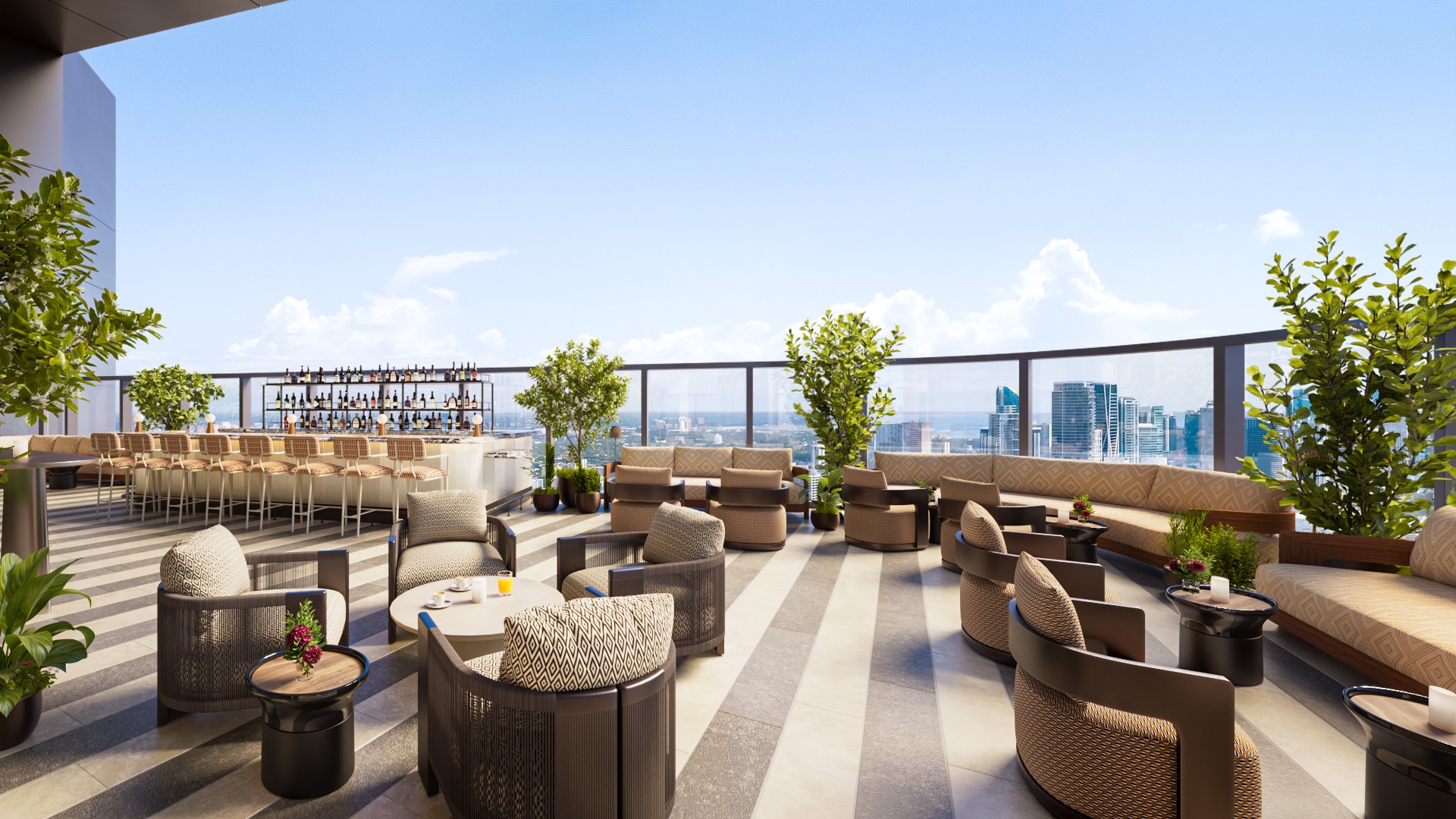
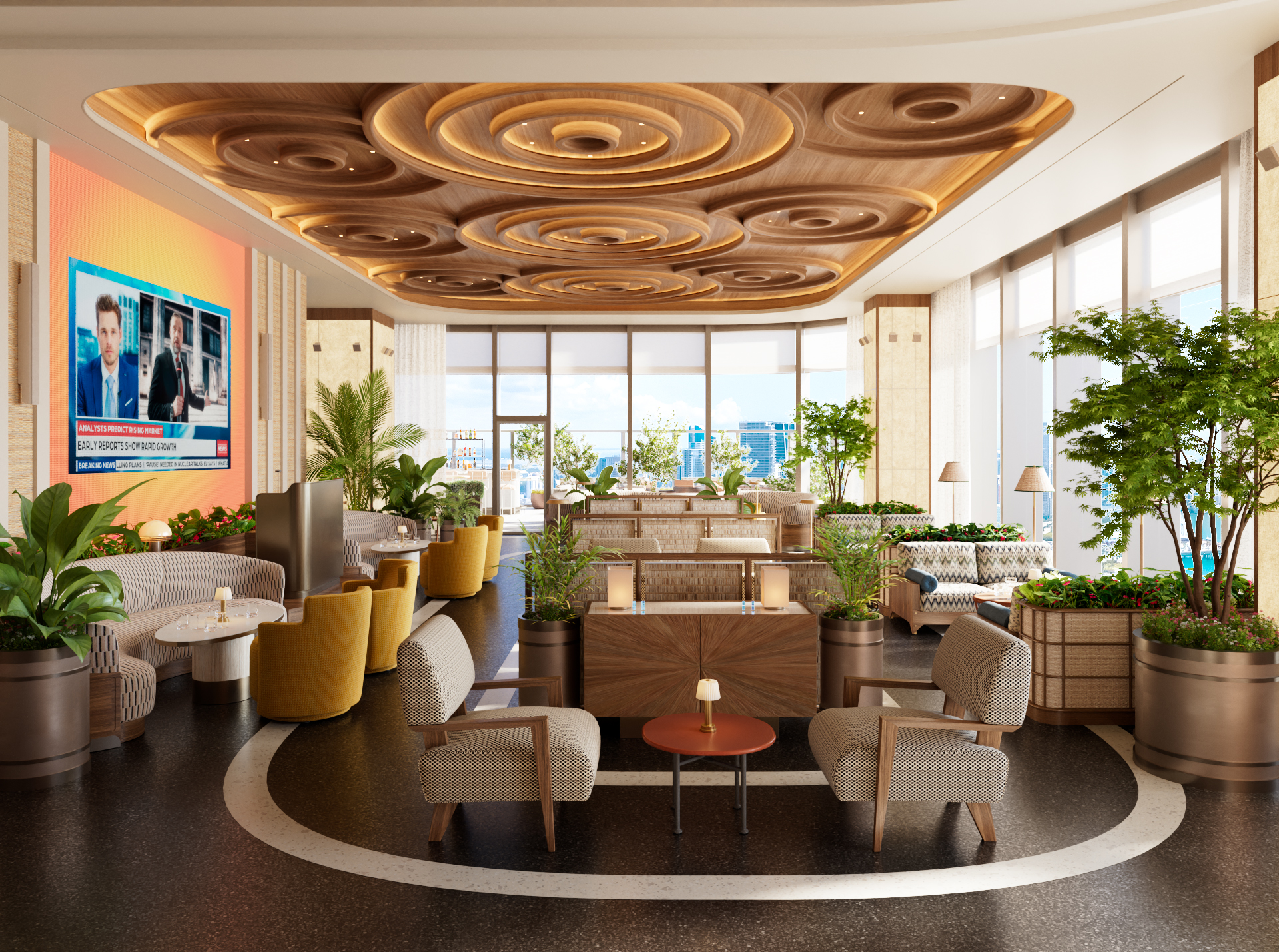
The partnership will debut Seia, a contemporary Italian restaurant, and Seia Club, an invitation-only private members’ club, both perched atop 830 Brickell on the 54th and 55th floors. Designed by Zervudachi, Roberts & Macadam London, these interconnected spaces promise sweeping panoramic views over Miami’s glittering financial district and Biscayne Bay. Both concepts are slated to open in 2026.
Developed by OKO Group and Cain International, 830 Brickell is the first new office tower of its kind built in Miami in more than a decade. The 55-story skyscraper has already attracted a blue-chip tenant roster including Microsoft, Citadel, Kirkland & Ellis, Thoma Bravo, Santander Bank, and Marsh, cementing Brickell’s reputation as the “Wall Street of the South.”
Seia: Contemporary Italian Dining with Panoramic Views
Named for the Roman goddess of sowing seeds, Seia will celebrate Italy’s rich culinary traditions through the lens of nature’s seasonal rhythms. The 178-seat restaurant—led by The Bastion Collection’s Michelin-starred culinary team—will feature timeless Italian flavors elevated with contemporary flair. Diners will enjoy 180-degree terrace views that capture Brickell’s vibrant skyline and the breezes that define Miami living.
Complementing the main dining experience, 830 Brickell tenants will also have access to an exclusive all-day café, further weaving world-class hospitality into the tower’s daily rhythm.
Seia Club: Miami’s Next Great Private Members’ Experience
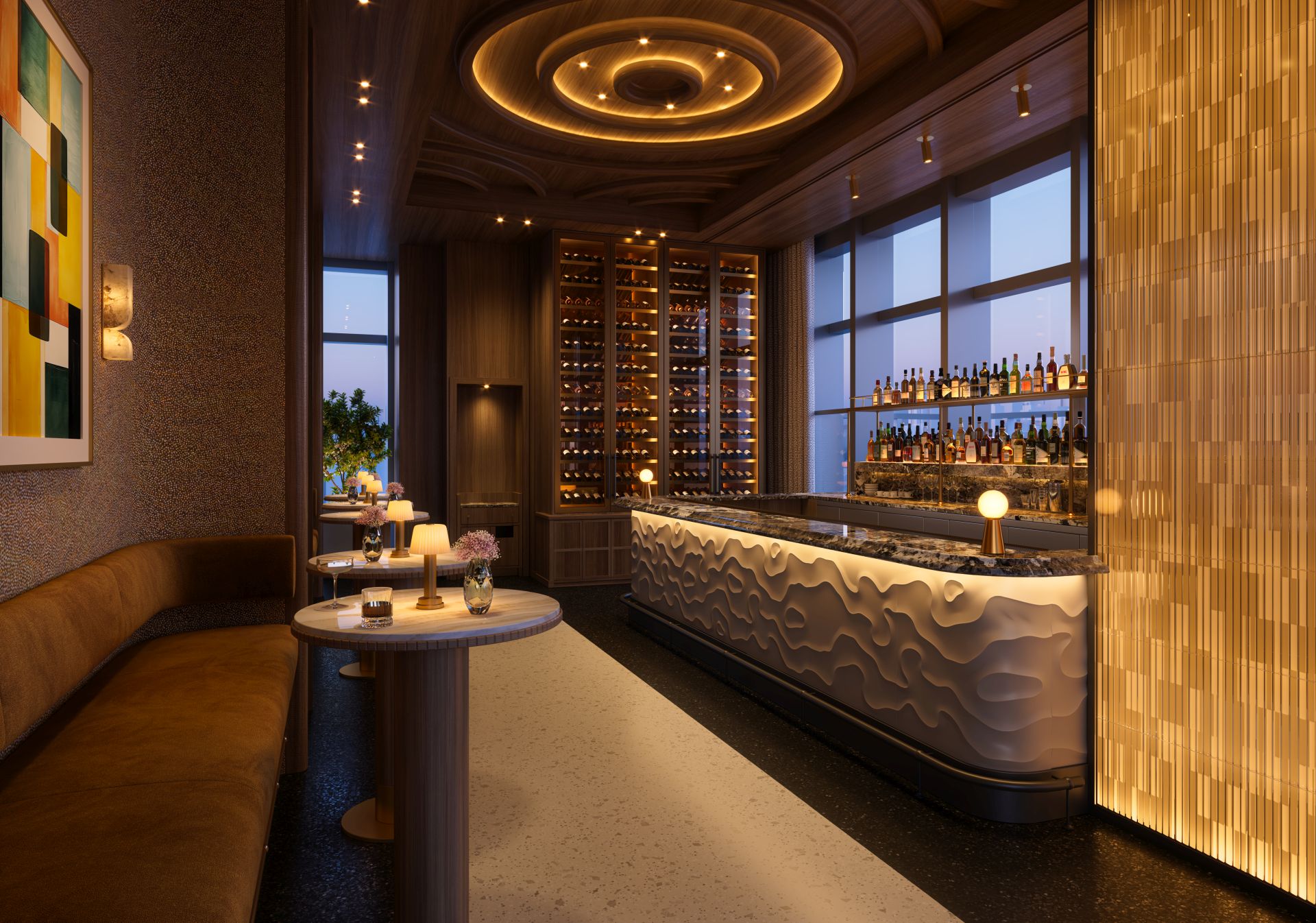
Set directly above Seia, Seia Club will redefine exclusivity in Miami. The invitation-only club is designed as a discreet haven for professionals and tastemakers alike—serving as a quiet retreat for business meetings by day and transforming into a refined social scene by night. Members will enjoy access to private dining areas, curated cultural programming, and priority reservations at Seia. Pre-opening member inquiries can be directed to [email protected].
A Partnership Between Two Global Powerhouses
For OKO Group’s Vlad Doronin, the partnership marks another milestone in his mission to elevate Miami’s global standing.
“With 830 Brickell, we set out to deliver an international calibre of architecture and lifestyle to the heart of Miami’s financial district,” said Doronin. “Partnering with The Bastion Collection to develop Seia and Seia Club introduces a new benchmark for culinary and exclusive social experiences in the city.”
Jamal Daniel, Owner of The Bastion Collection, echoed that vision:
“This project is an extraordinary opportunity to bring our culinary and operational expertise to Miami’s most prestigious address. By day, Seia will serve Brickell’s corporate clientele. By night, it will become a destination for those seeking an elevated social experience.”
The Bastion Collection’s Proven Legacy
The Bastion Collection already holds a strong foothold in Miami through its acclaimed Design District establishments—L’Atelier de Joël Robuchon, the city’s only two-Michelin-starred restaurant, and Le Jardinier, a one-Michelin-star concept. Globally, the group operates Michelin-recognized restaurants in New York, Houston, and Geneva, and continues to expand its portfolio of epicurean experiences.
About 830 Brickell
Designed by Adrian Smith + Gordon Gill Architecture with interiors by Iosa Ghini Associati, 830 Brickell spans 640,000 square feet and offers world-class amenities—including a wellness center, conference facilities, and 24-hour concierge service. The tower’s rooftop restaurant and club will crown Brickell’s skyline as the epicenter of business meets lifestyle.
Throwback: Brickell Condos Construction Update (October 2014)
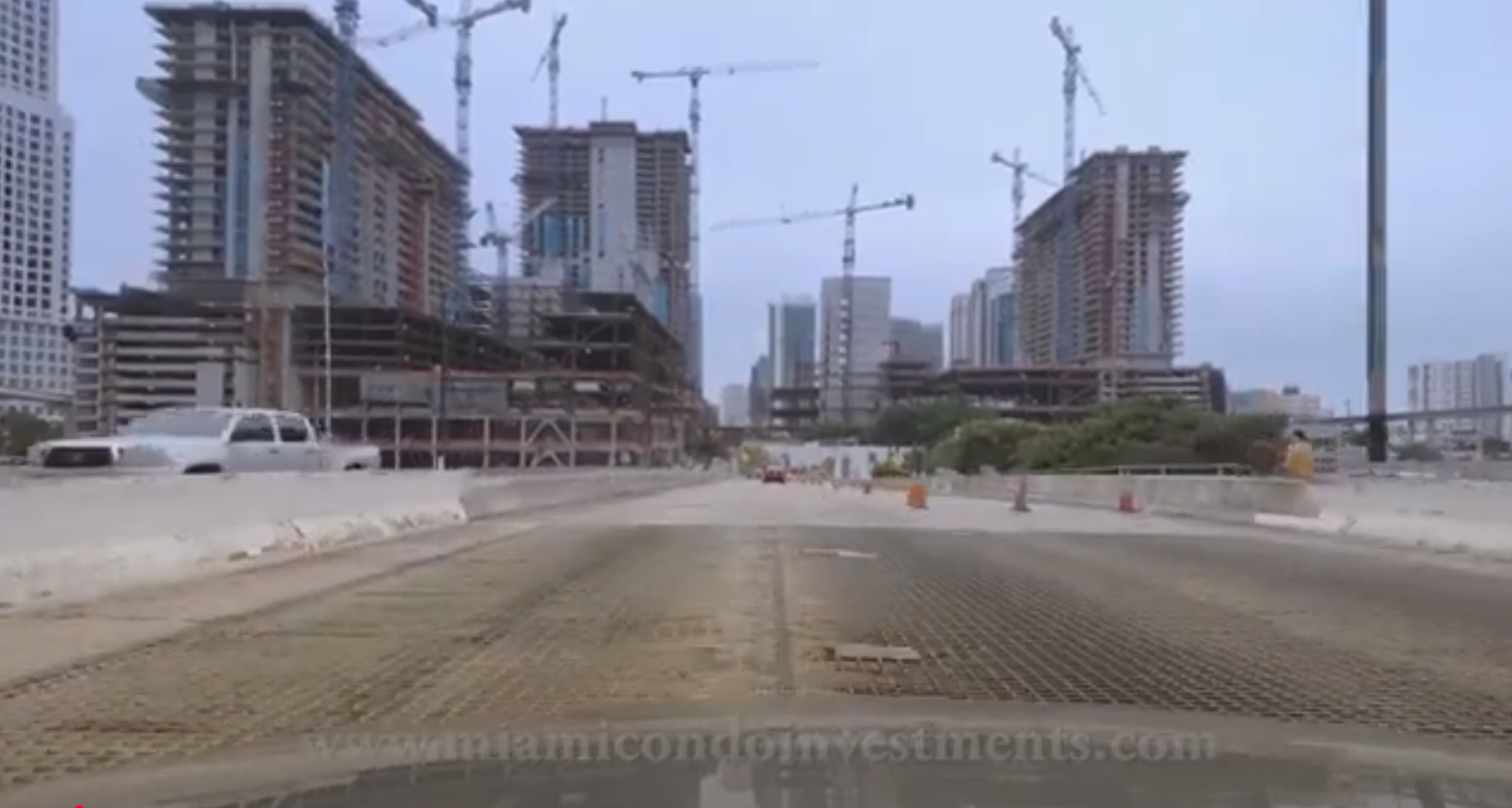
Step back in time to 2014 — an era when Miami’s Brickell neighborhood was buzzing with cranes, concrete, and the promise of a new skyline. In this throwback video, filmed on October 22, 2014, I drove through Brickell with a GoPro camera mounted to my car’s hood, capturing the incredible transformation that was just beginning to take shape.
What makes this video special is the rare perspective — seeing Brickell before the dust settled. You’ll notice empty lots that are now luxury high-rises, cranes that have long since disappeared, and streets that were just starting to buzz with new life.
Watch the full Brickell Condos Construction Update video above to see just how far the neighborhood has come. For anyone who remembers the excitement of Miami’s condo boom in the mid-2010s, this video is a nostalgic glimpse back at the moment it all began.