Investing In Condos For AirBnb Income Is A Risky Idea
Despite Miami Beach’s crackdown on AirBnb properties, we receive regular calls from hopeful investors who want to buy properties in order to lease them out on the short term rental website. It is important to understand the risks involved in breaking the rules with hopes of high returns.
Miami Beach Crackdown
Because AirBnb rentals do not contribute to the hotel taxes that largely fund Miami Beach and they take away from the bookings at hotels, they are strictly outlawed. The government is in the midst of a strict crackdown of the policy, levying $20,000 fines on investors who break the rules. That’s $20,000 PER OFFENSE. Unless you’re leasing a $25 million waterfront mansion for $8,000/night to Kylie Jenner, the risk is just not worth the reward.
It was also announced yesterday on The New Times that Miami is considering a similar crackdown.
Condo Regulations
Many condo associations prohibit rentals of less than 30 days, or even less than 6 months. Some older buildings require owners to wait 1 to 2 years before leasing their condos. It is important to be clear about the rental policies of buildings prior to investing, because your bottom line will be affected if the policies don’t line up with your investment goals.
But what happens if you ignore the condo association rules and continue to lease your property on AirBnb? According to our contact at the management office at Infinity at Brickell, where the minimum lease term is 6 months, fines of $100 per infraction are issued to the owners of the apartments that get caught. He said that it is also not uncommon for visitors to be given violations for failure to obey conduct and noise rules in addition to giving themselves up for being nightly renters by treating the front desk like a front desk at a hotel. Eventually, the fines add up to make the investment not profitable enough to continue.
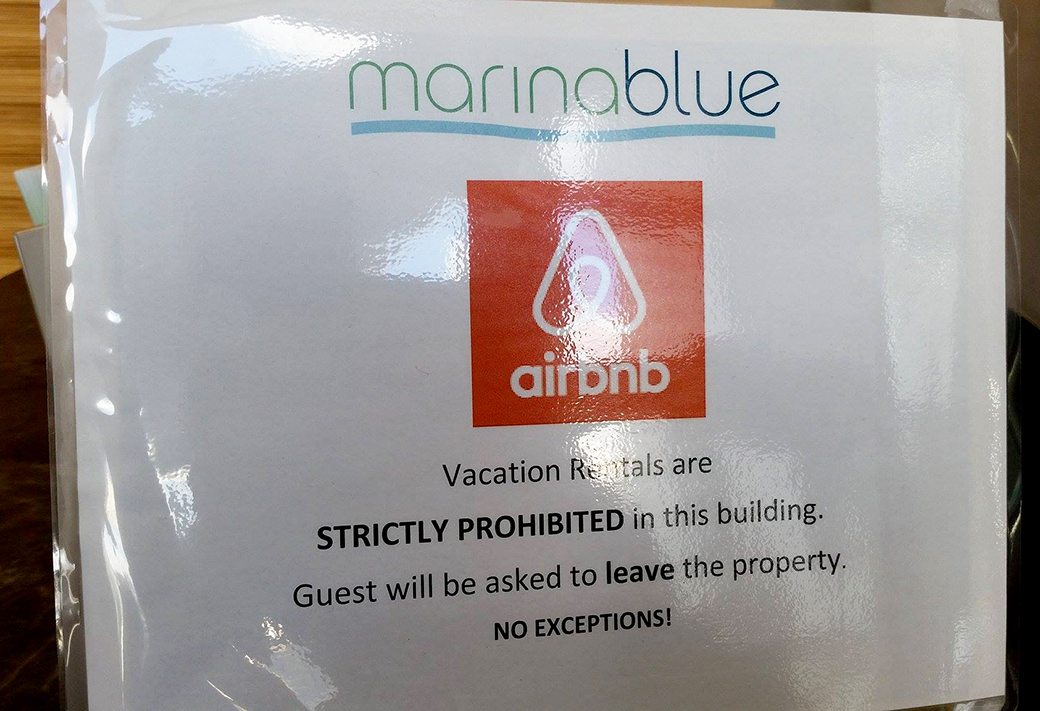
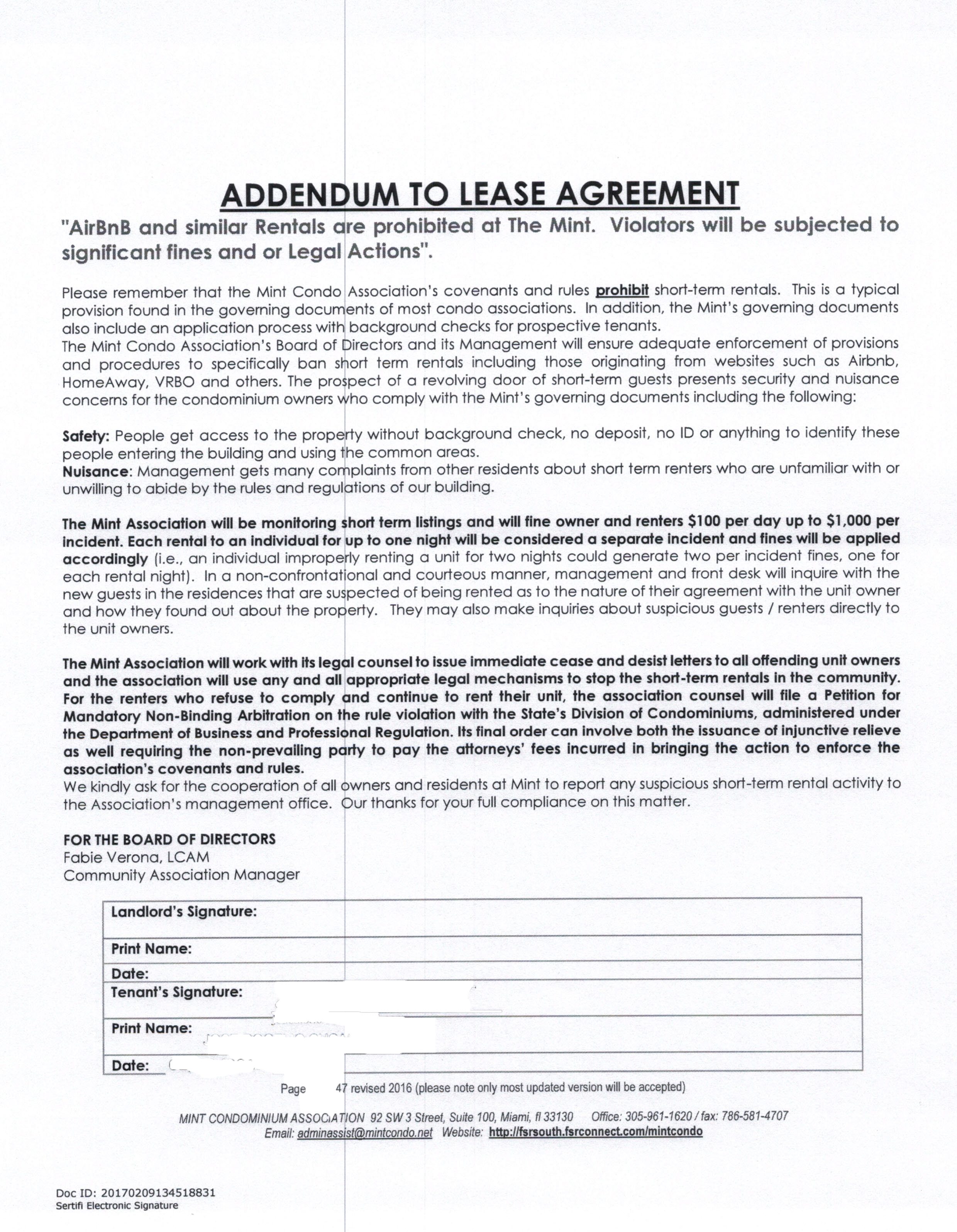
Some other buildings are taking enforcement a step further. Mint at Riverfront requires each applicant to sign an acknowledgment of the rules pertaining to short term rentals. MarinaBlue has posted a sign at the front desk alerting visitors that short term rentals are prohibited and violators will be removed from the premises.
With condo buildings, the issue is about security rather than the hotel tax. Each resident in a condo building must undergo a background check to ensure the safety of all residents. If one condo owner (or tenant) sublets their unit to vacationers, this security measure is compromised.
Renting A Condo To Use As AirBnb Rental Investment
The investors we’ve seen are not only buyers who purchase with the intention to run a short term rental business. We have also seen entrepreneurial tenants inquiring about a strategy of leasing a furnished condo and then subletting it online. This is not only a violation of the City (if the property is in Miami Beach) and condo association policies, but it is a violation of the lease terms. Most Florida leases do not allow subletting, putting the tenant at risk of eviction and penalties.
Landlords who keep yearly tenants have already picked up on this strategy and have begun to screen potential tenants for risk of violation of the subletting section of the lease, but I anticipate more buildings will follow suit with Mint and MarinaBlue over the coming months even if the City of Miami fails to pass their ordinance outlawing short term rentals.
******Update: One Miami East and West have both jumped on the bandwagon with the following stern message to residents, sent today.
February 16, 2017
Dear One Miami Residents,
As the Associations have previously notified you, short term rentals are not permitted in One Miami for periods of less than thirty (30) days. Despite such prior notifications, we have received numerous complaints that certain owners and tenants are in fact renting their units for short term stays in direct violation of the Associations’ governing documents, whether through websites like Airbnb or on their own. The Associations’ have sent (and will continue to send) violation letters to such owners and tenants who are committing these short-term rental violations instructing them to cease and desist from such actions immediately. The next step will likely be for the Associations to file lawsuit(s) against such owner(s) or tenant(s) without further notice. The Associations also reserve the right to deny access to any such unauthorized parties who may be renting from owners on a short-term basis.
We again remind all Members that the Associations’ take such issue very seriously. Therefore, if you are engaging in such improper conduct, please cease and desist from the same immediately. Additionally, if you are aware of a short-term rental violation that is occurring in the building, please report the same to management. Thank you for your assistance.
Sincerely,
Board of Directors of:
One Miami East Condominium Association, Inc.
One Miami West Condominium Association, Inc.
One Miami Master Association, Inc.
The Future of Parking in Miami
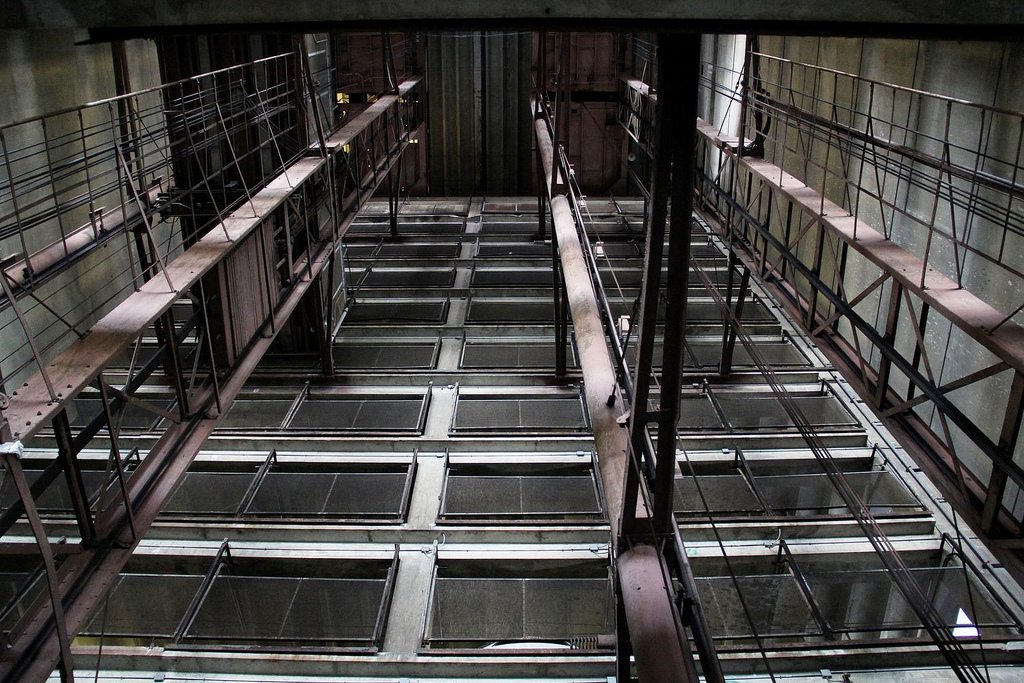
The New World Tower mechanical parking garage. Photo via Flickr/ dms_archi_mia_nwt_15.
Miami is taking baby steps away from being a city of cars, to a city of mass transit, density, walkability, and pedestrians. A key element of that is parking. The Real Deal explores the topic in an intriguing piece:
Behind the scenes a seismic shift among some developers and public officials is underway as they try to distance themselves from Miami’s notorious car-dependency in favor of a more urban and walkable city.
Vizcaya’s Marine Garden is Reopening Tomorrow After More Than Ten Years
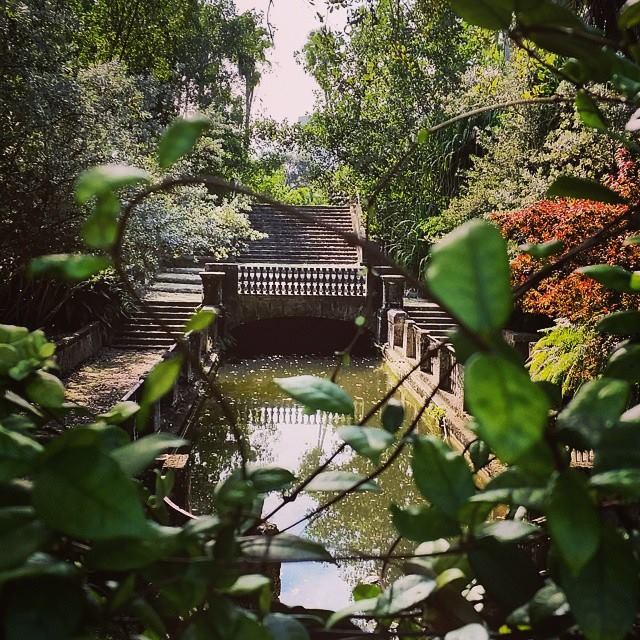
Vizcaya Marine Garden.
Closed more than ten years ago due to hurricane damage, the fabulous marine garden and peacock bridge at Vizcaya Museum & Gardens, the former estate of International Harvester tycoon James Dearing, are reopening tomorrow. There will be an event for members in the evening, before opening to the public on Wednesday (the museum and gardens are closed on Tuesdays). An original piece of the Vizcaya estate, the space incorporates a large aquarium-like canal that connects to the canal running underneath a high oriental-inspired bridge known as the ‘peacock bridge’ and to Biscayne Bay.
Hidden for years behind a locked, foliage-covered gate (and a gorgeous sarcophagus), the garden and bridge extend south from the circular rose garden with its large fountain and ends abruptly at the grounds of Immaculata-La Salle High School and Mercy Hospital. This jewel of Vizcaya with its aquatic fantasyland that would practically invite visitors on an escapade under the sea also exposes the museum’s deepest scar.
Before its closer to the public, visitors would climb up the ornate bridge and from the top face head-on an unsightly high school and hospital campus built over the remains of the rest of Vizcaya’s huge gardens that included canals, lakes, bridges, architectural follies, a boathouse, tennis courts, a ‘casbah’ (the casbah actually still survives behind the high school’s sports fields and is probably a favorite necking spot with students), and untold other wonders. And leading to all of that they would see directly before them the ruined remains of an aquarium-canal matching the one they had just walked through. These magnificent outer gardens were easily twice the size of all of the gardens which remain at Vizcaya. Handed over to the Archdiocese of Miami by the Dearing heirs, who honestly never really knew what to do with it, this was Vizcaya’s real marine garden. The happy reopening of the little marine garden tomorrow is only a taste of what lies buried and forgotten beyond.
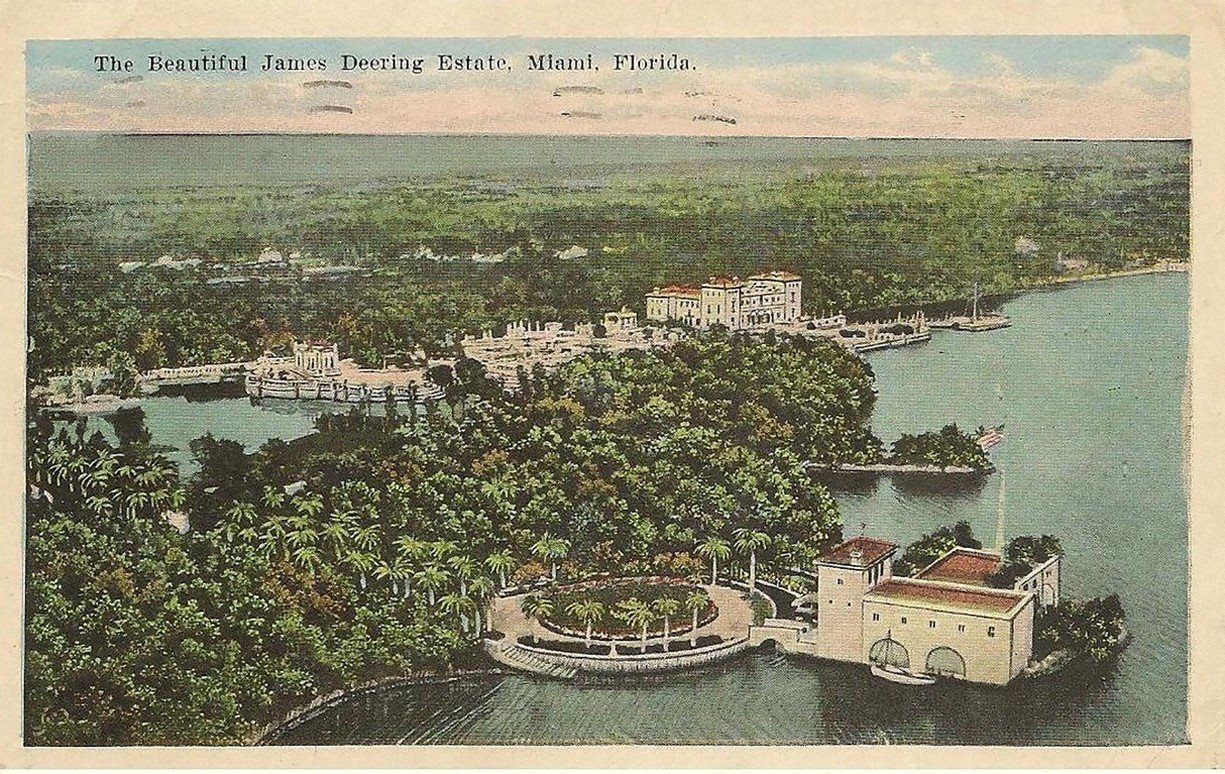
Vintage postcard showing the former marine gardens of Vizcaya.
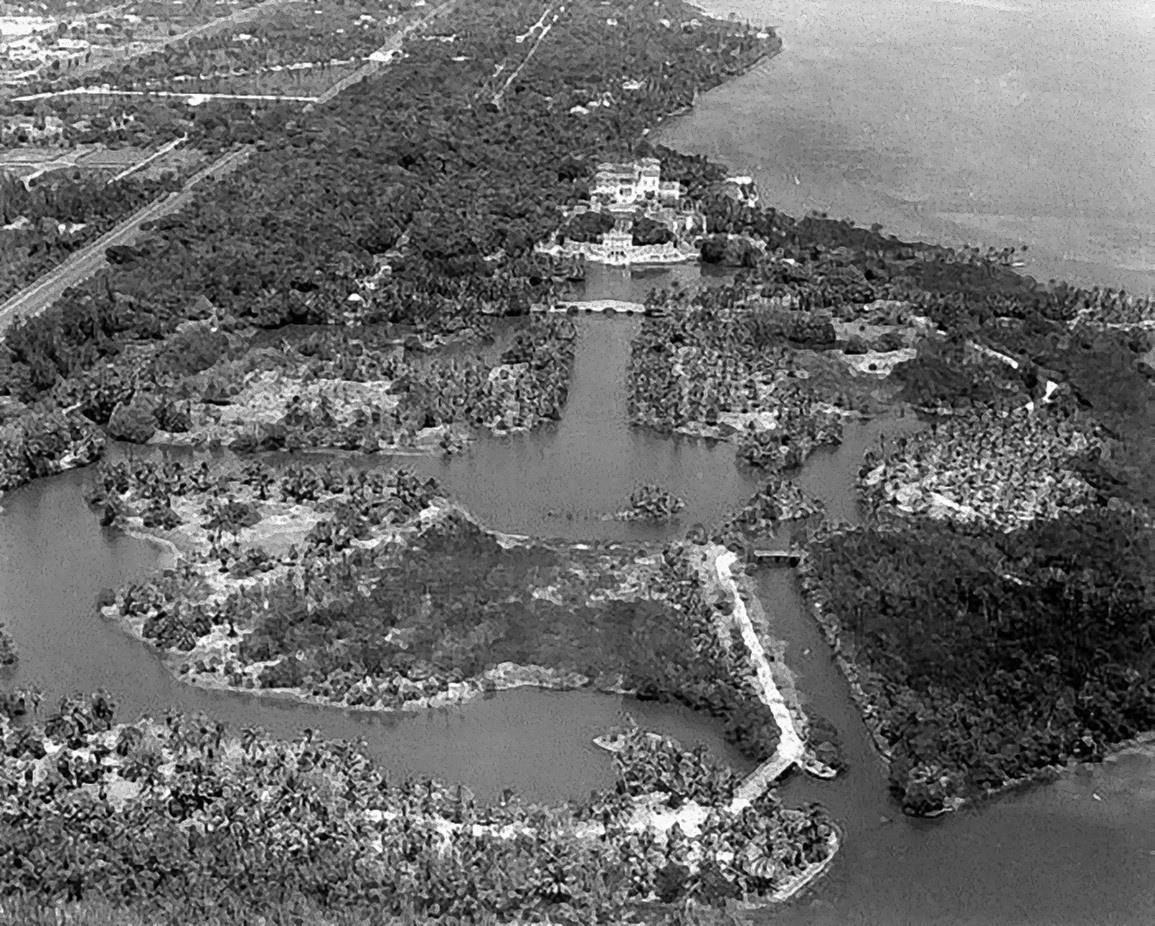
Vizcaya Gardens circa 1930.
Can Somebody Save the Midcentury Gulf American Building’s Sexy Sun Shades?
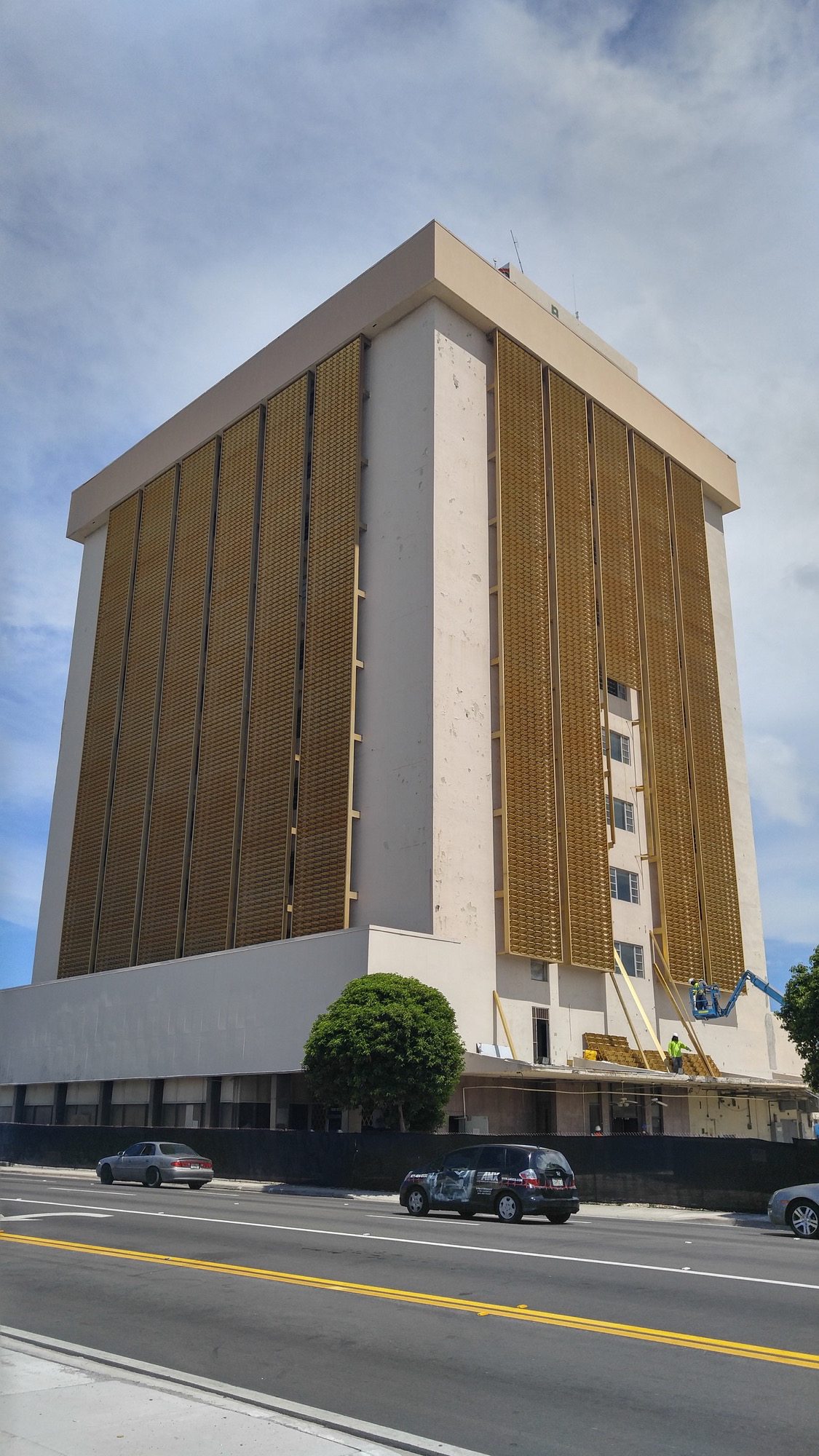
Former Gulf American/INS Building. Photo courtesy BrettHufziger.com.
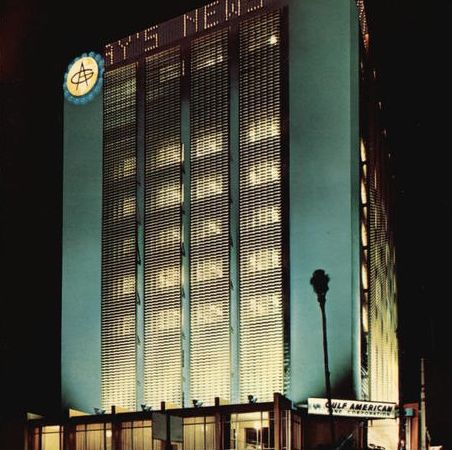
The old INS Building, originally known as the Gulf American Building and an under-appreciated midcentury modern icon just outside the boundary of the Biscayne Boulevard MiMo District, is losing its signature anodized aluminum sun shades. Photographer Brett Hufgizer (see more at BrettHufziger.com) noticed construction workers removing the distinctive architectural elements from the facade yesterday. The building (historic photo below) originally had a glassed-in lobby and distinctive rooftop news ticker. As I once pointed out on Curbed Miami, the screens were used to shade the building’s windows from the direct light of the sun, in the days before solar tinting. They doubled as a place for architectural display. At the very top was a funky ‘GA’ logo. Plans are for the structure to be gutted to its shell and remade into the Triton Center, a mixed-use residential, commercial, and hotel project, with metal panels that ‘highlight’ to some extent elements of the original building’s design, by architecture firm ADD Inc. (update: the hotel will be a Hilton Garden Inn) Meanwhile the shades need a last minute salvation. If the sun shades can’t be saved in the ‘new’ building, maybe somebody can find use for them somewhere else.
The Underline is Beginning Construction in Brickell Next Year
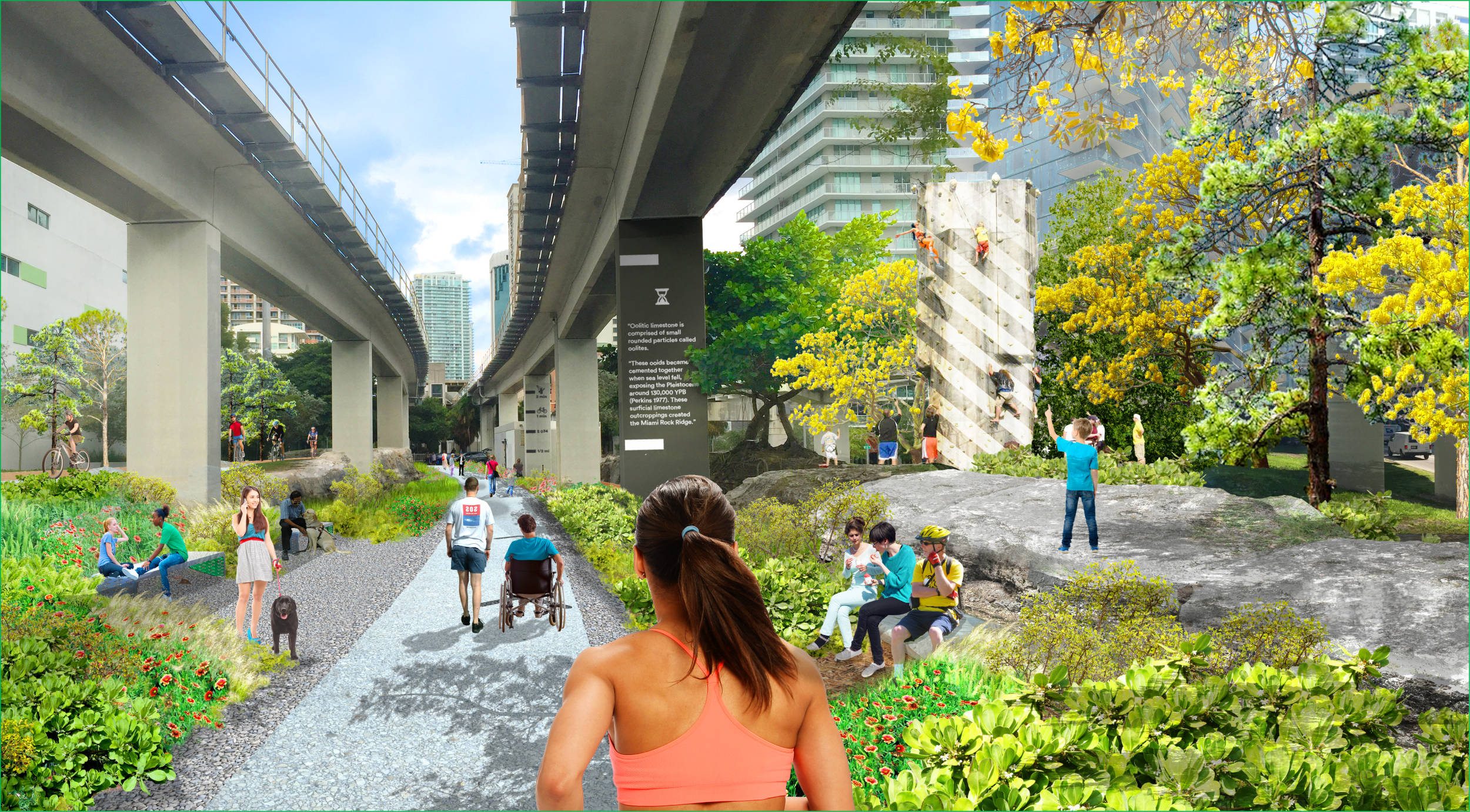
The ‘Brickell Backyard’ section of the Underline.
The Underline, Miami’s planned ten mile linear park running underneath the Metrorail, has enough money to build the Brickell section, and expects to begin construction next year. The park has about $8 million in secured funding so far from a variety of public and private sources, with the latest chunk, a $600,000 grant, coming from Swire Properties and Brickell City Centre. Construction documents are underway with design firm James Corner Field Operations reports Miami Today. Meanwhile Meg Daly, CEO of Friends of the Underline, told us “Our target is to start building in the fall of 2017 in Brickell.” Exciting news people, exciting news.
Bomb Threat for Lunch Outside the Downtown Metrorail Station
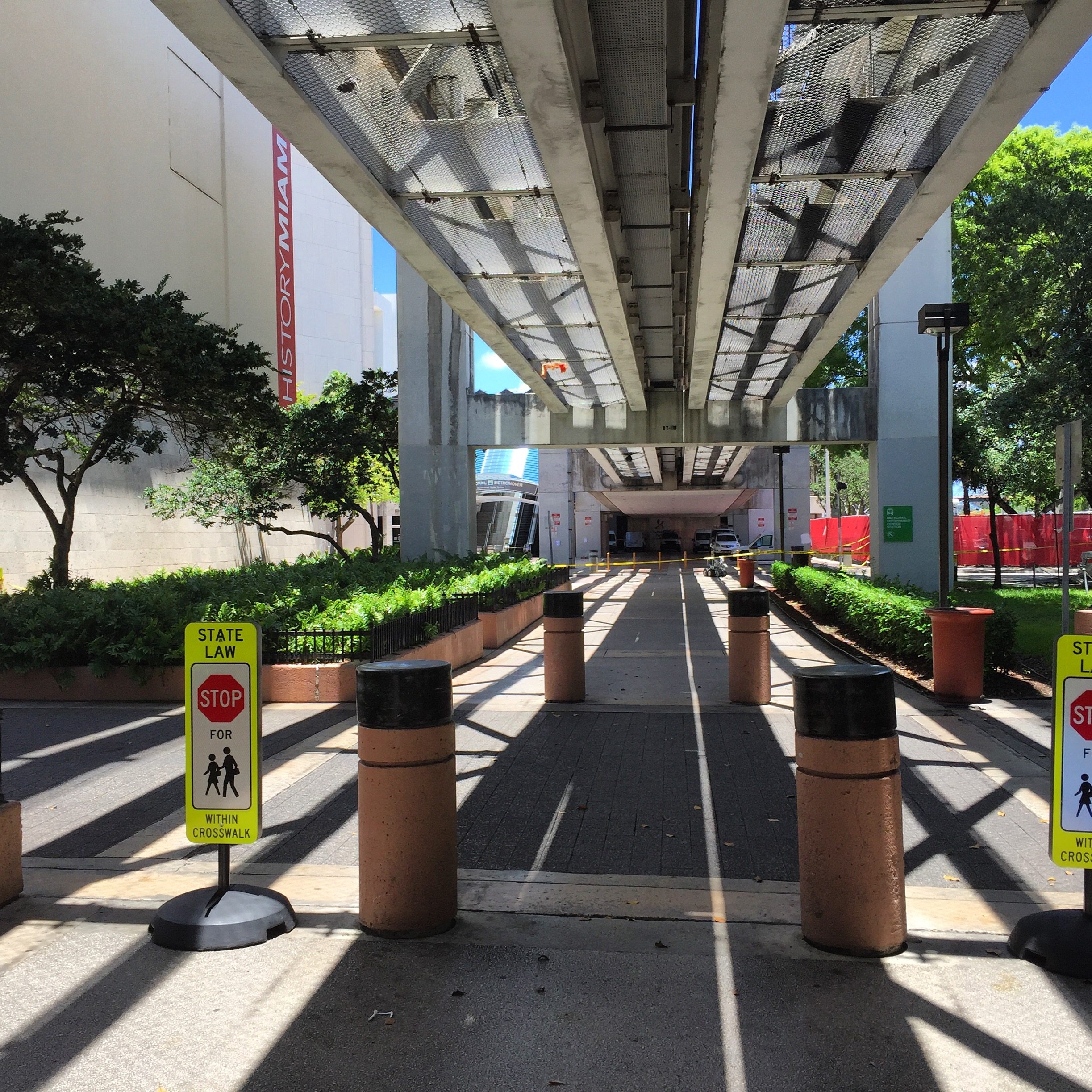
Photo by Sean McCaughan.
Today there was a bomb scare underneath the Metrorail and Metromover tracks in Downtown Miami, just outside of the Government Center Metrorail and Metromover Station. At noon Metromover service was stoppped for, as the P.A. message put it, “temporary police activity.” (we were on our way to lunch and had to take an Uber instead) Around 2 pm police were seen directing people some distance away from a bomb-detonating robot between Government Center and the HistoryMiami Museum. The bomb itself could not be seen. Metromover service was still shut down (and we had to take Uber back to work). That’s all we know so far. Lunch was otherwise delicious.
Brickell’s Southside Park Has Finally Reopened
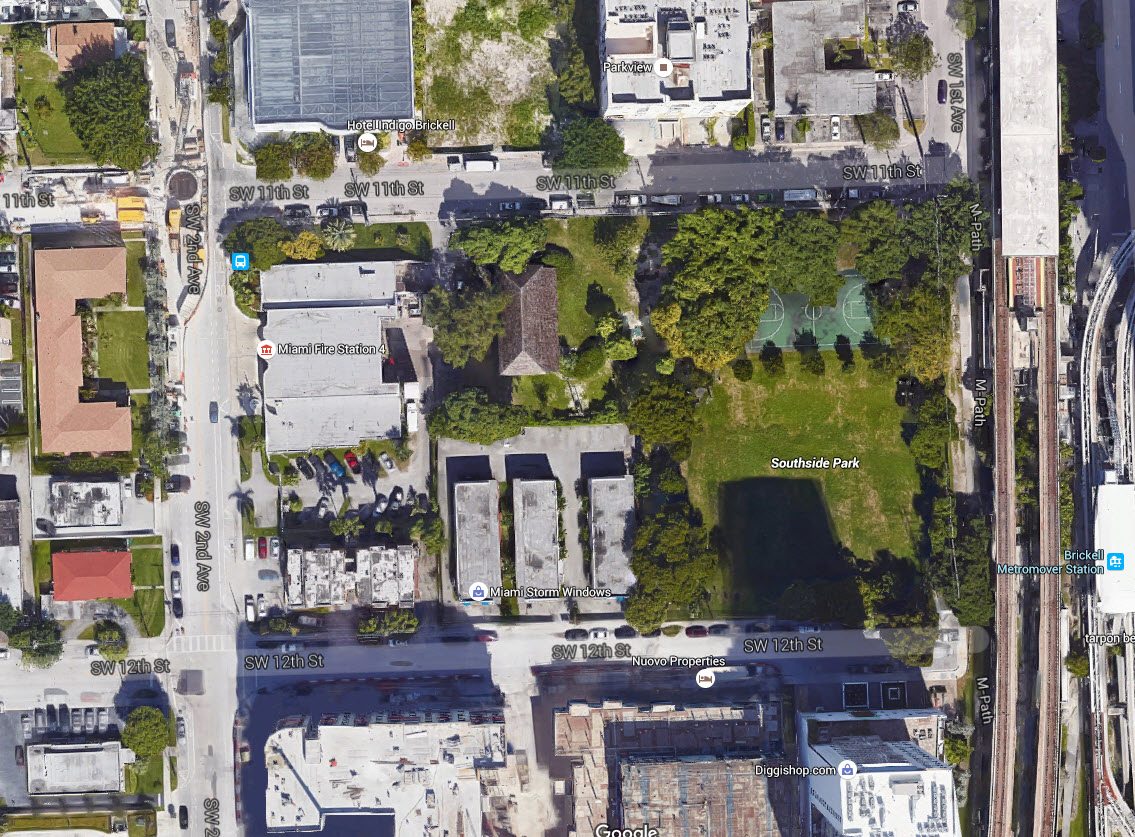
Southside Park, via Google Maps.
After being closed for two and a half years, Brickell’s Southside Park, one of the few green spaces in the neighborhood, finally reopened about a month ago. The park was one of those shuttered for remediation a few years ago when contaminated soil was discovered throughout many of Miami’s public parks and spaces, causing a major local controversy. Southside Park is just west of the Metrorail tracks between SW 11th and SW 12th Streets.
Terra’s David Martin Debuts his New Real Estate Column in Forbes
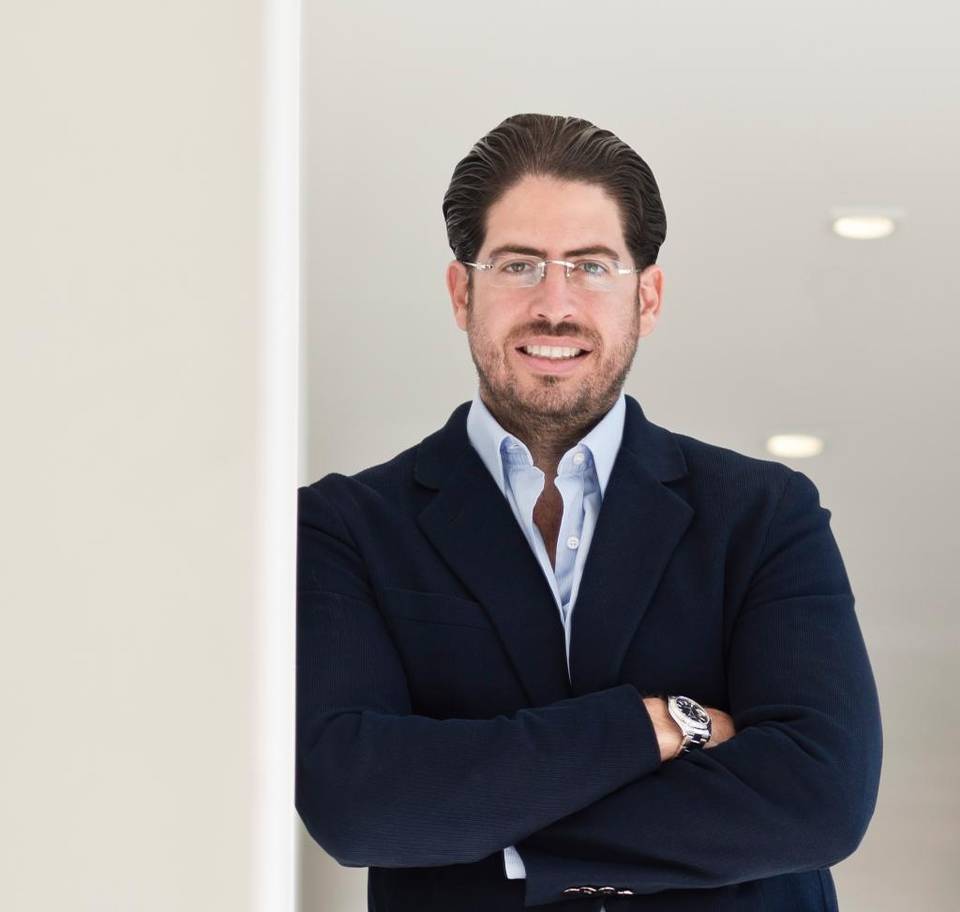
David Martin
A warrior and a poet? Meh. Maybe not, but David Martin, head of Terra Group and developer of Grove at Grand Bay, Park Grove, and GLASS, is now a developer and an author. He’s writing a twice-monthly column over at Forbes on ‘real estate development, design, and sustainability,’ beginning with a discussion on why more buyers in South Florida are end users these days as opposed to speculators. To summarize his point in just a few words: Miami’s a bit more grown up, and that makes a big difference.
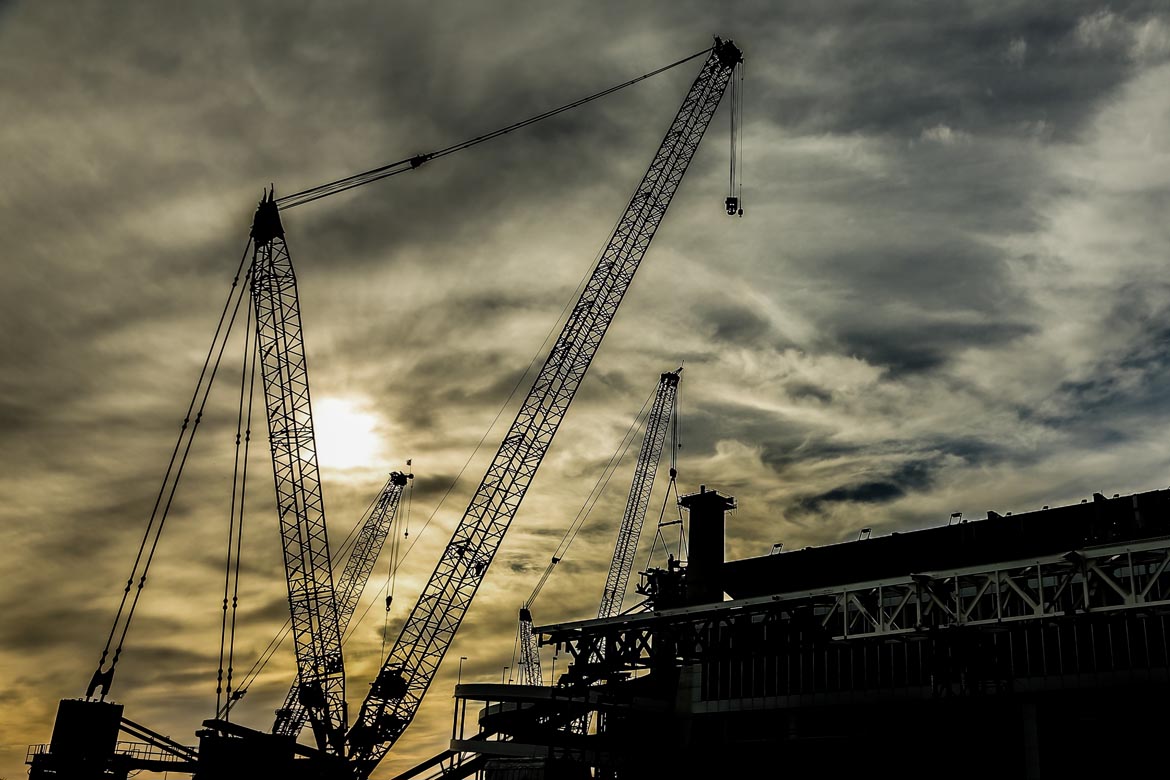
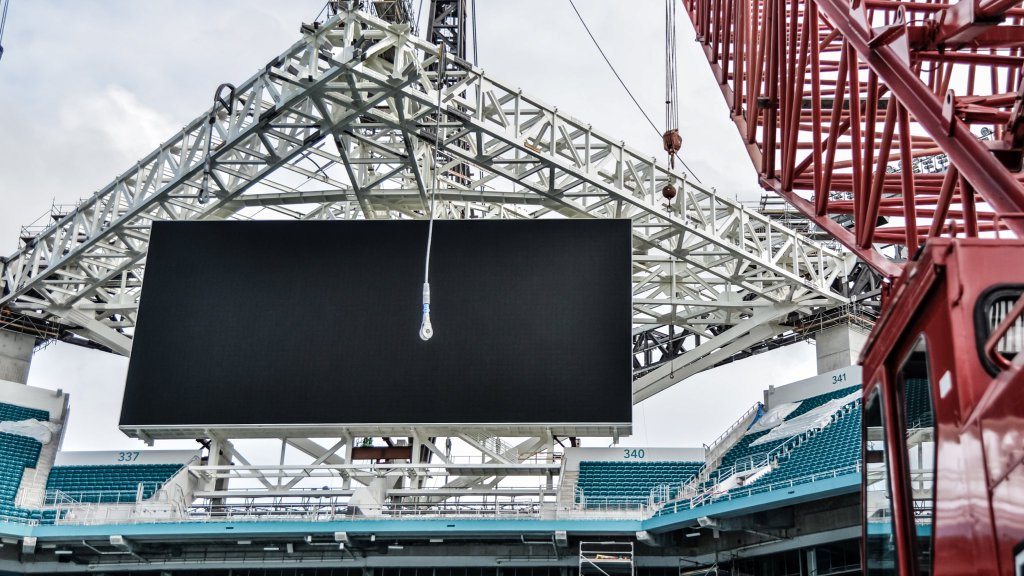
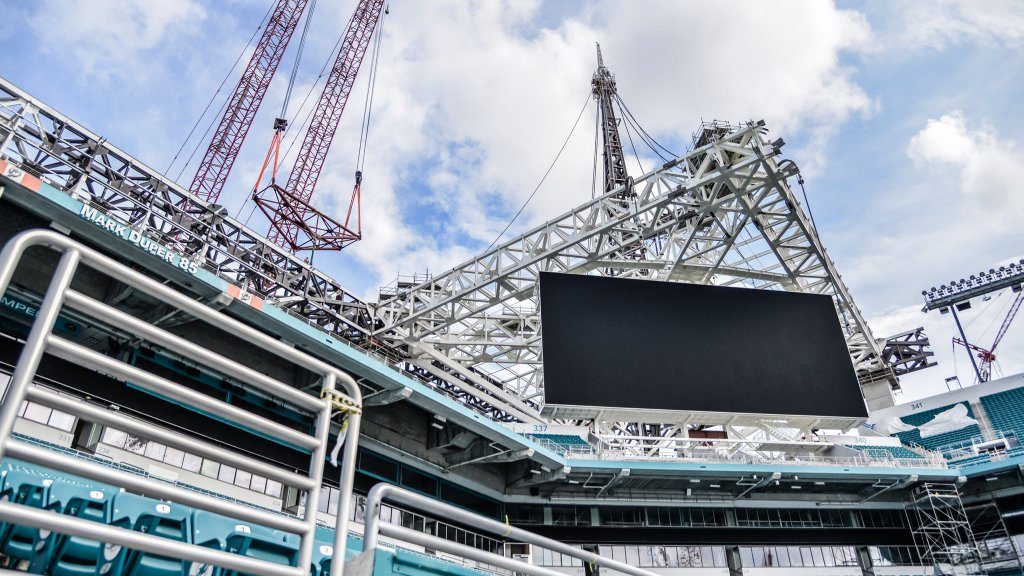
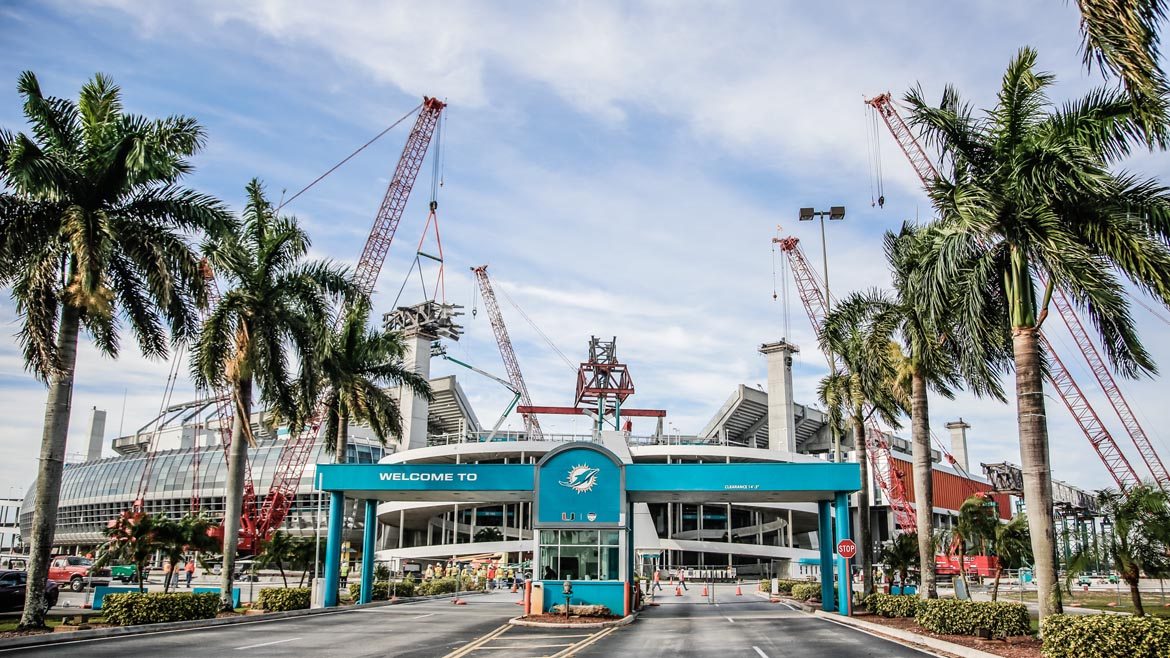
Super Bowl in the Bag, the Dolphins Are Hustling on That Stadium
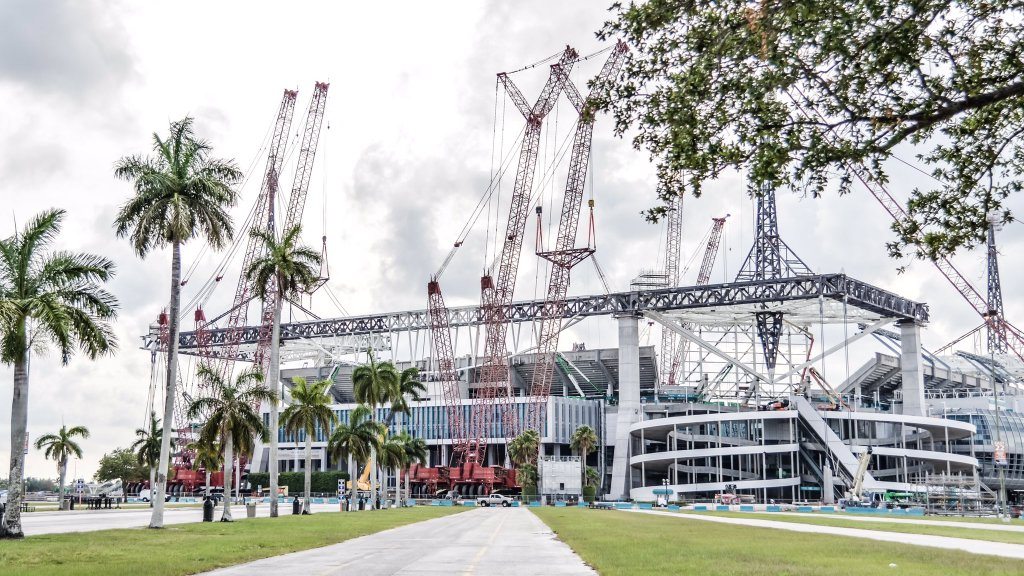
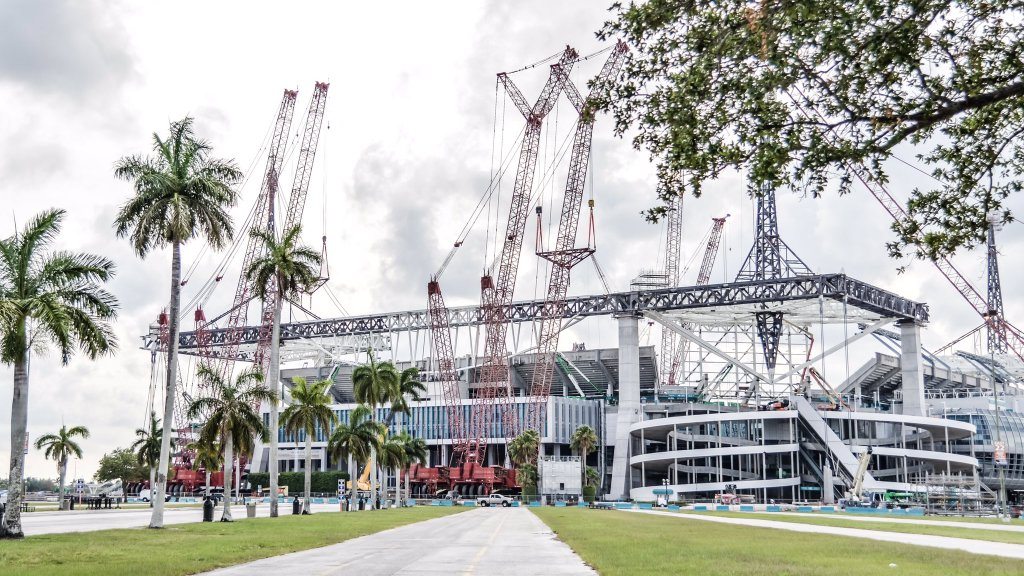
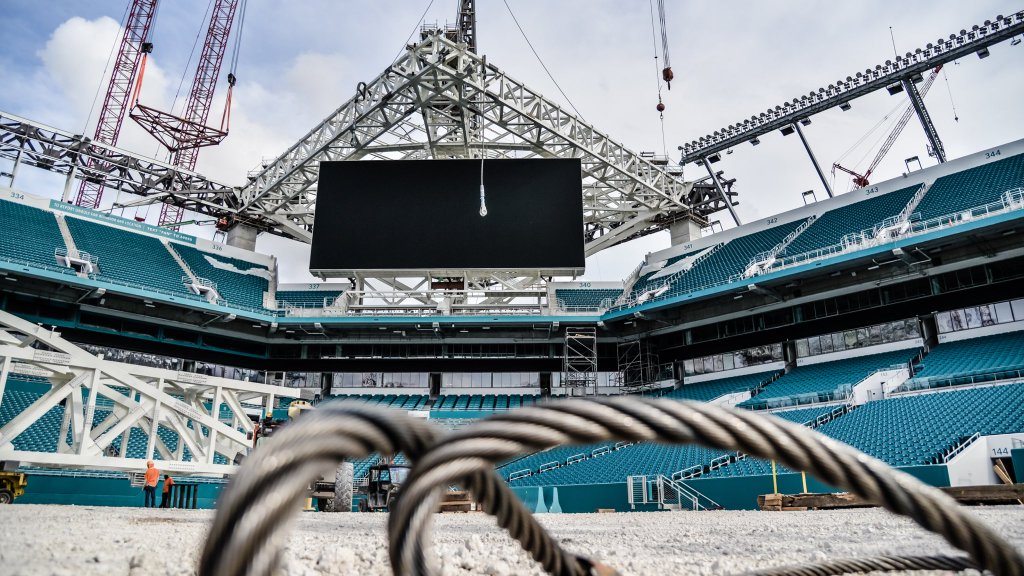
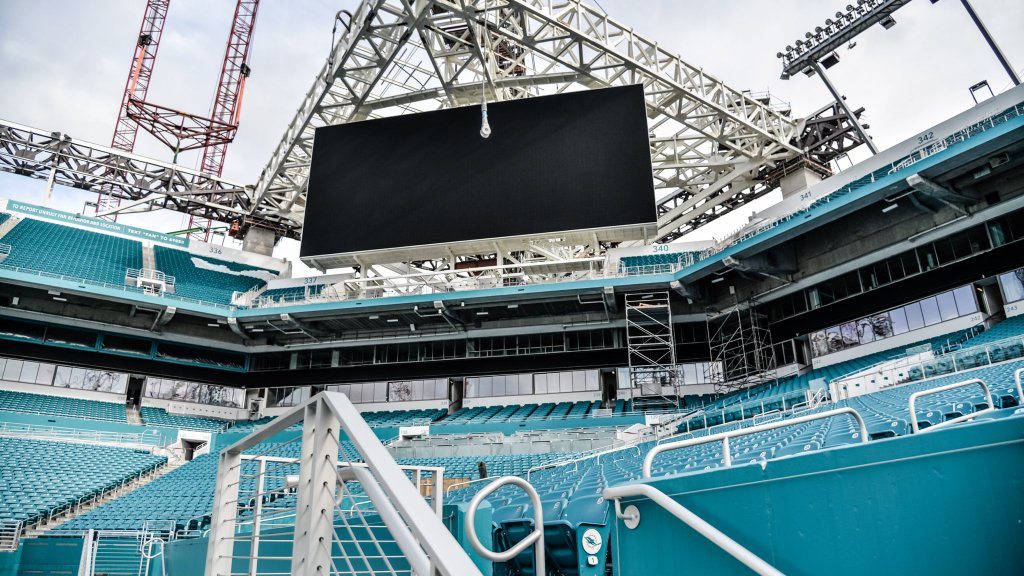
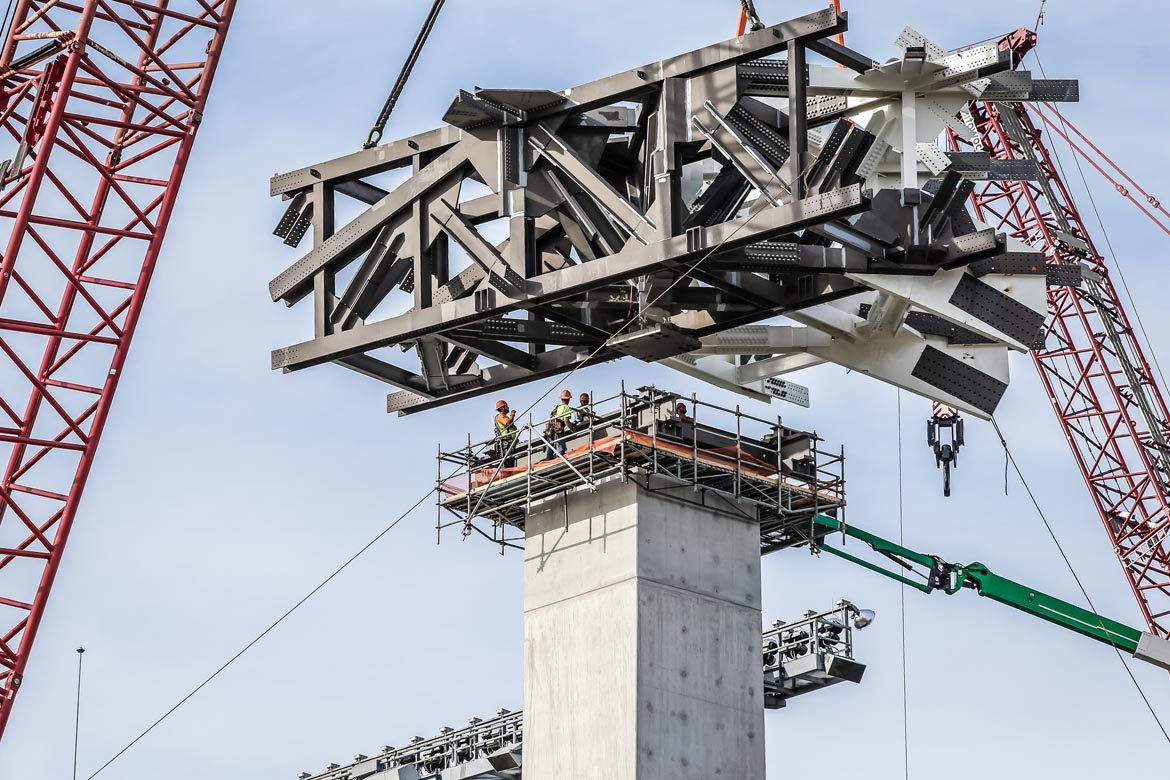
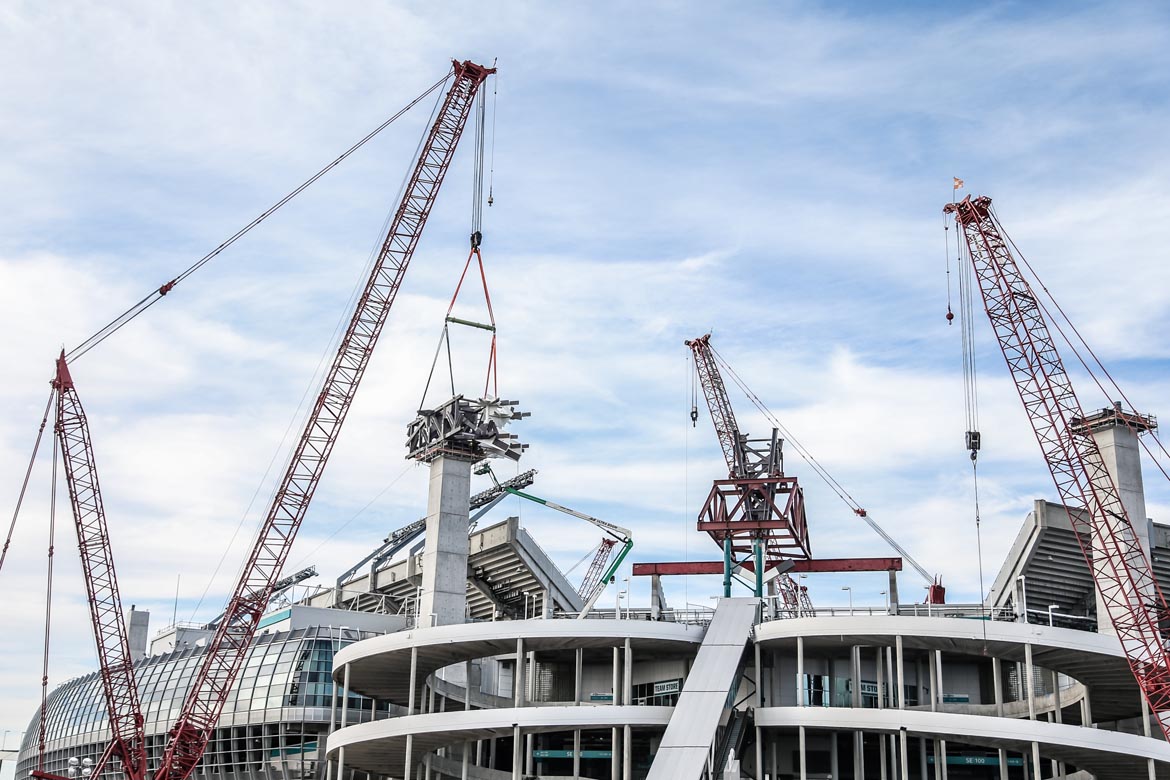
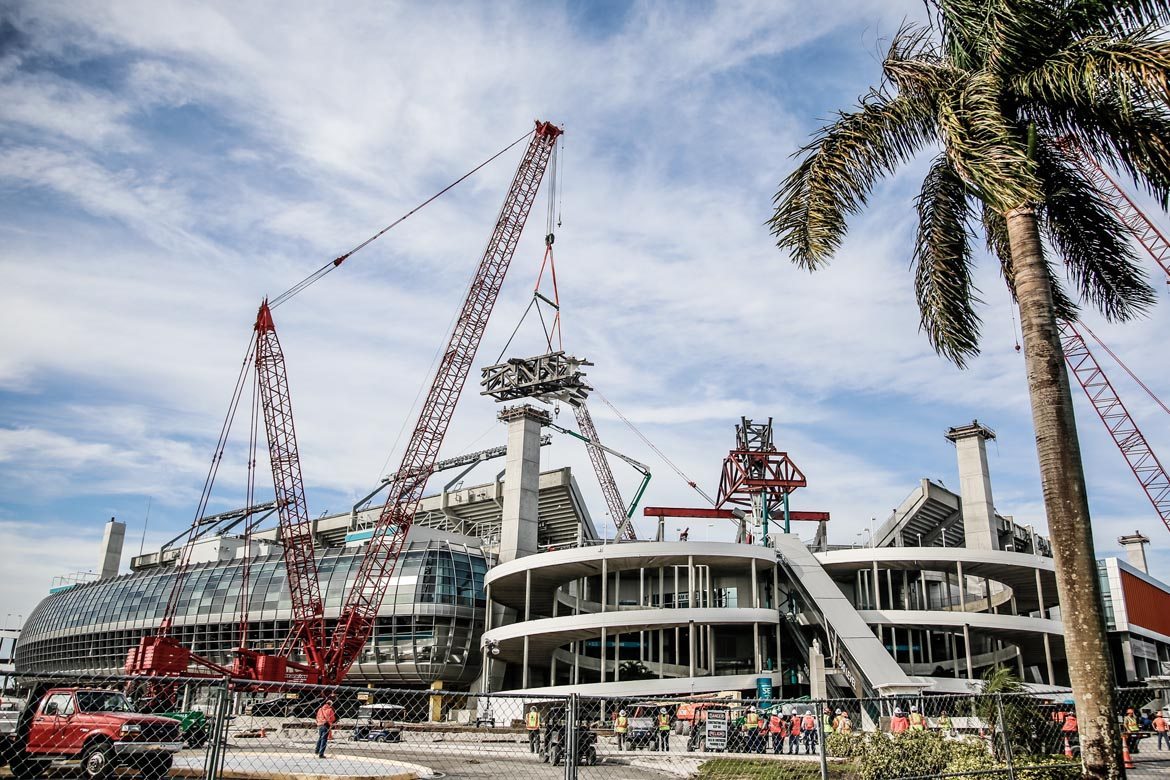
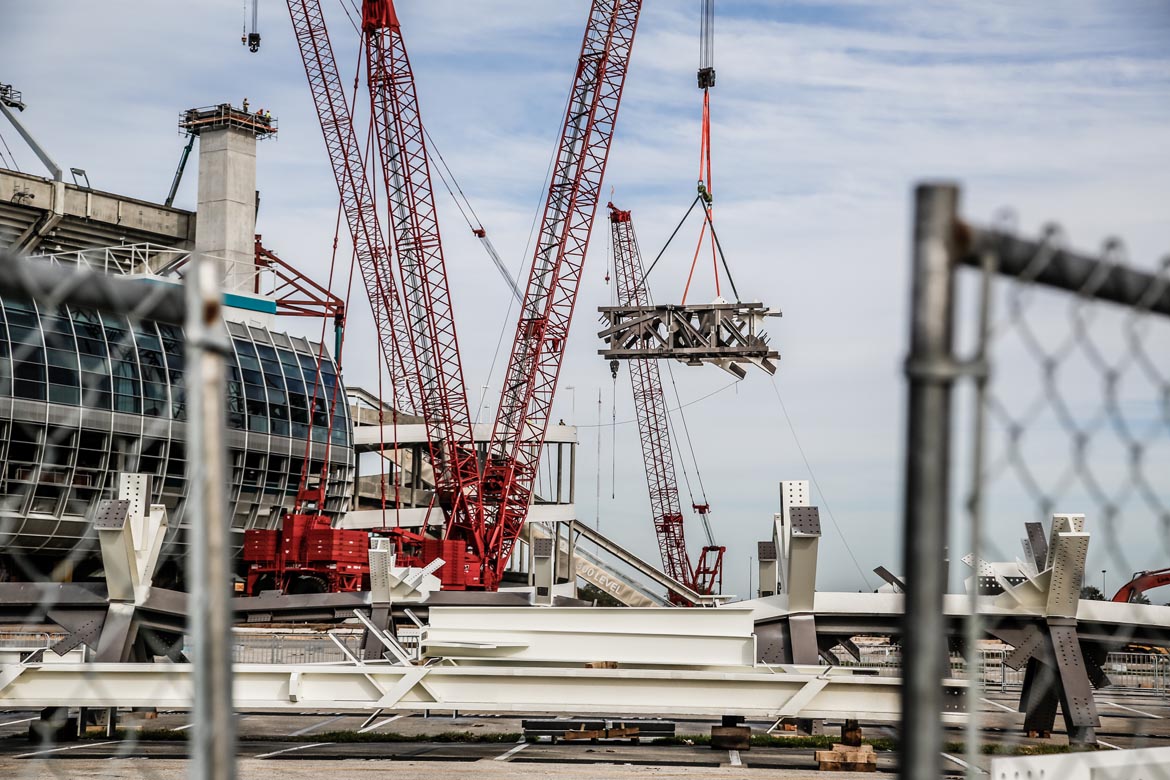
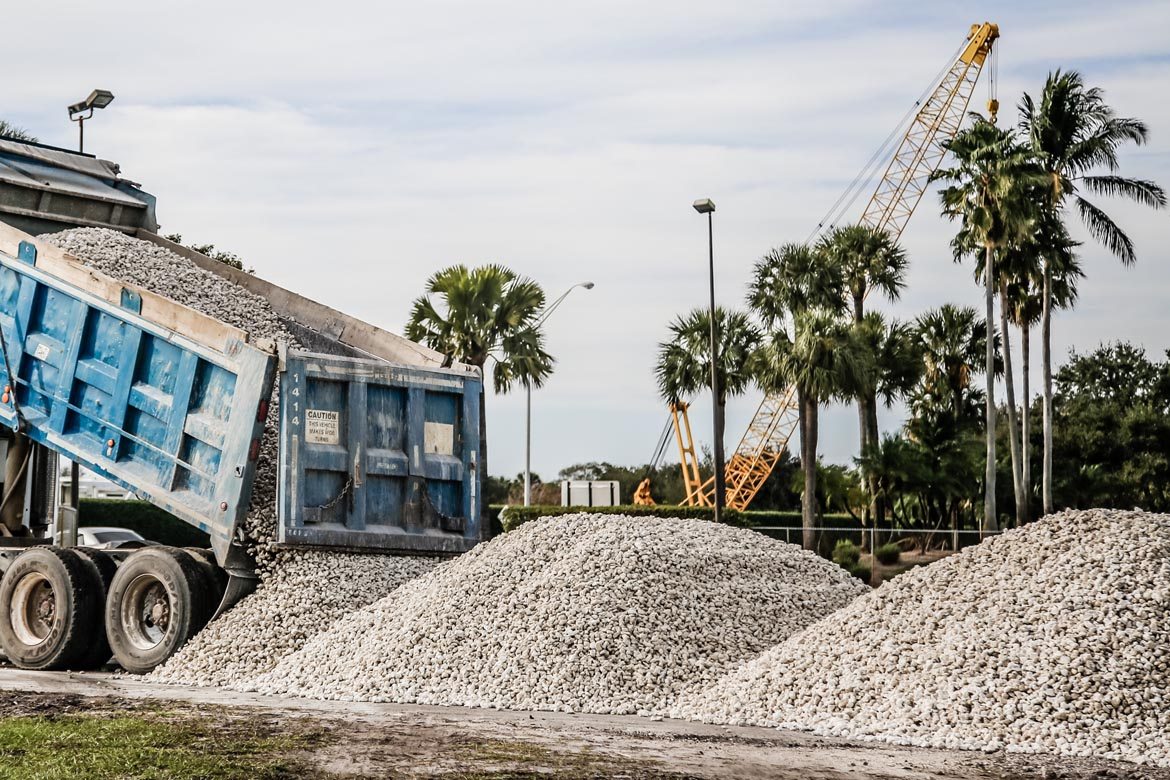
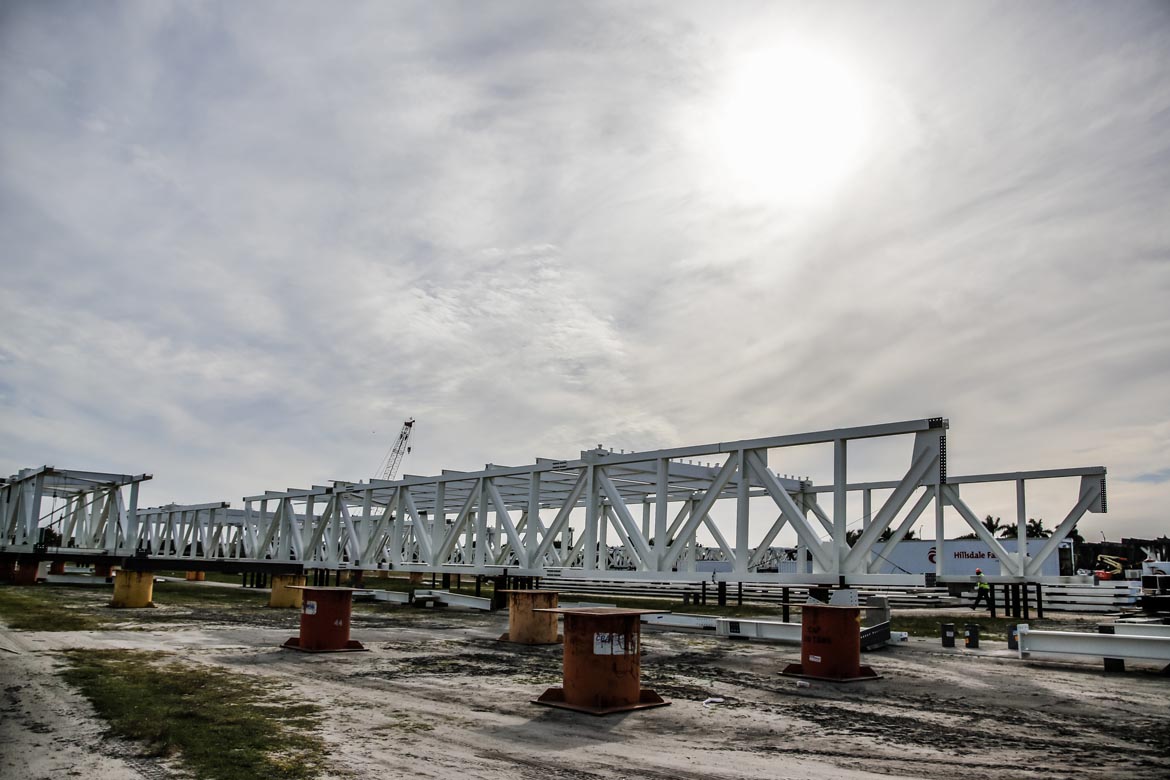
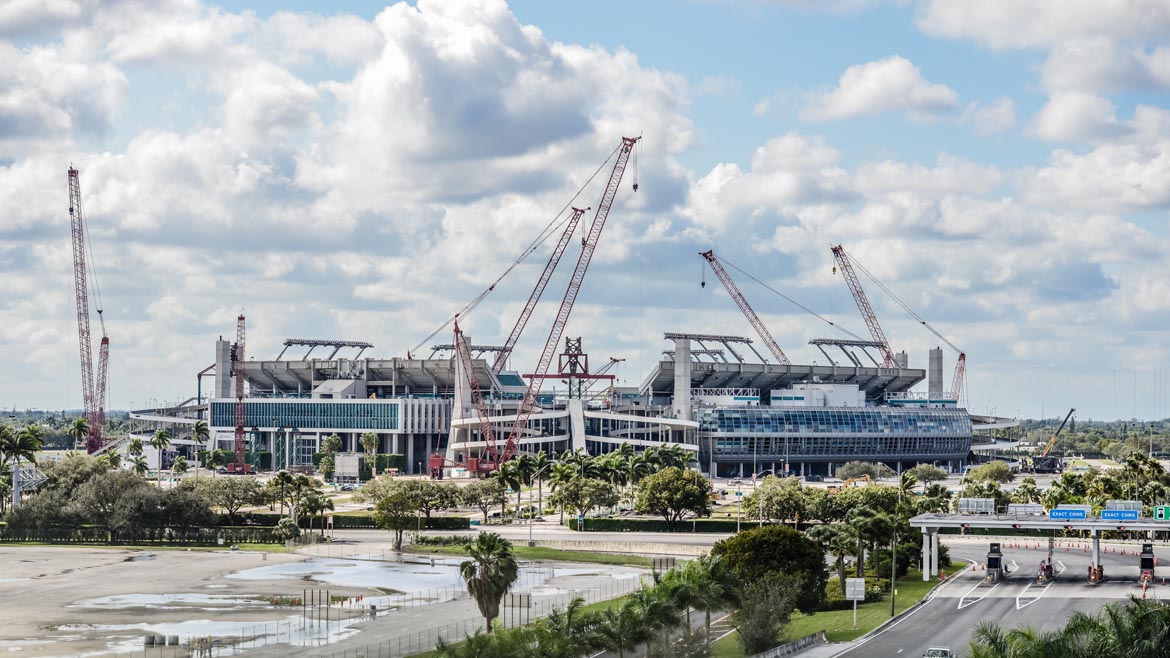
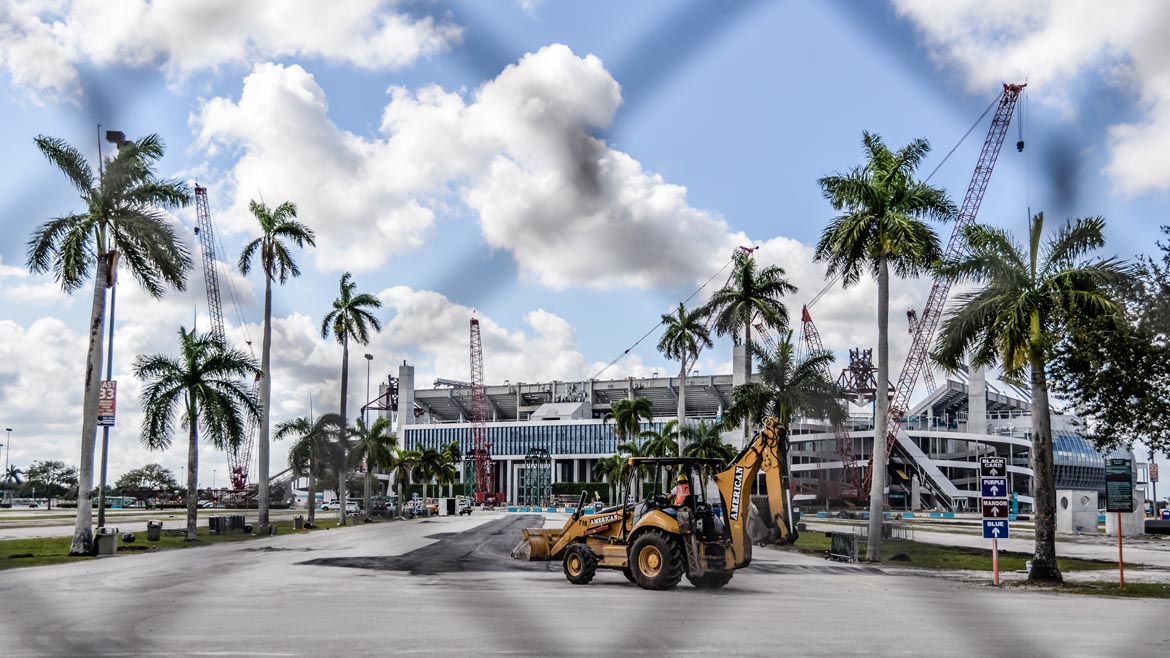
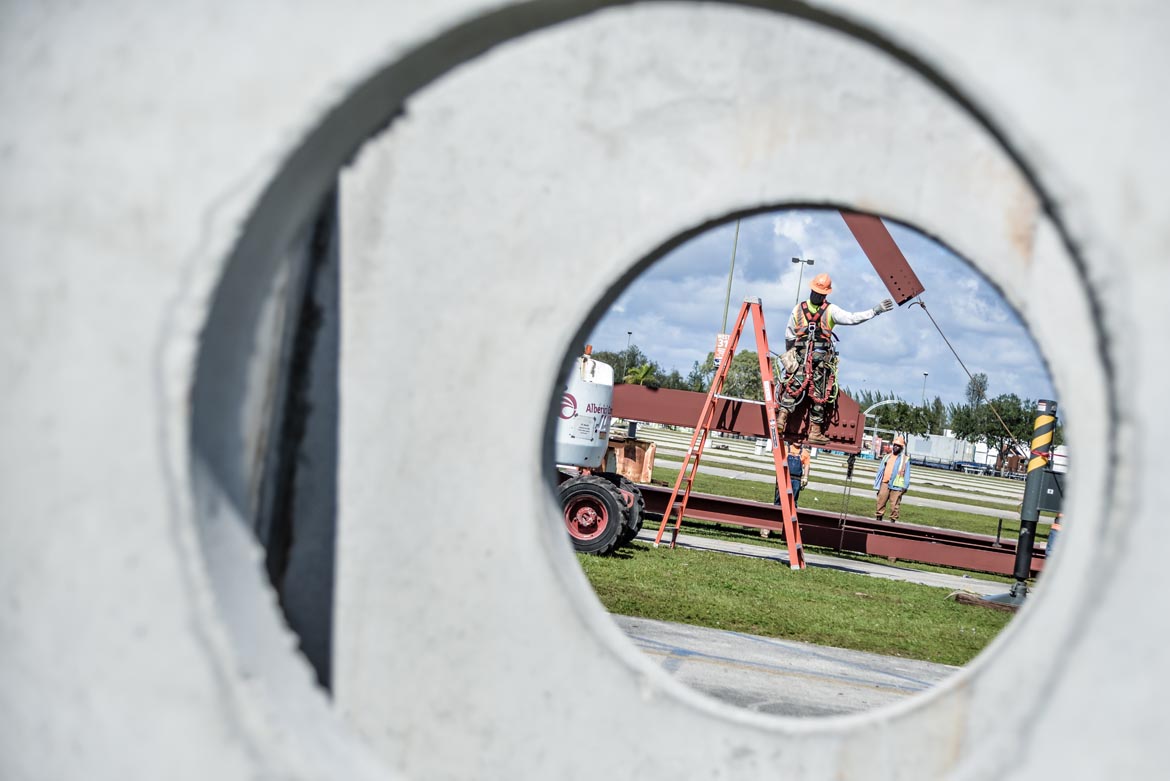
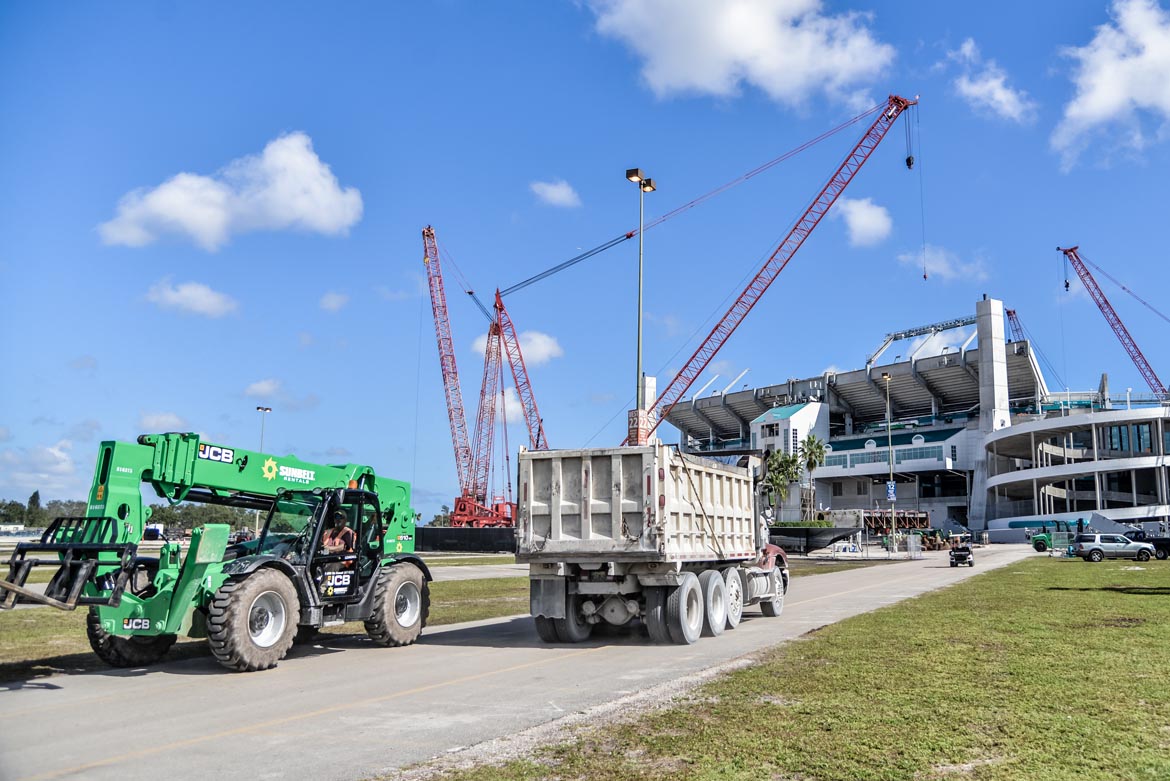
Miami Dolphins Stadium Construction. Photos via Miami Dolphins.
The Super Bowl is officially returning to Miami in 2020. However, the shade canopy at Dolphins Stadium, a massive structure now under construction, has to be done in about three months. The Dolphins play the Falcons August 25, meaning the awning has to be done by then. The rush to upgrade the Miami Dolphins Stadium is tight, and now comes with Super Bowl-sized stakes too.