The World Bids Farewell to a Legend: Frank Gehry (1929–2025)
December 7, 2025
by: Lucas Lechuga
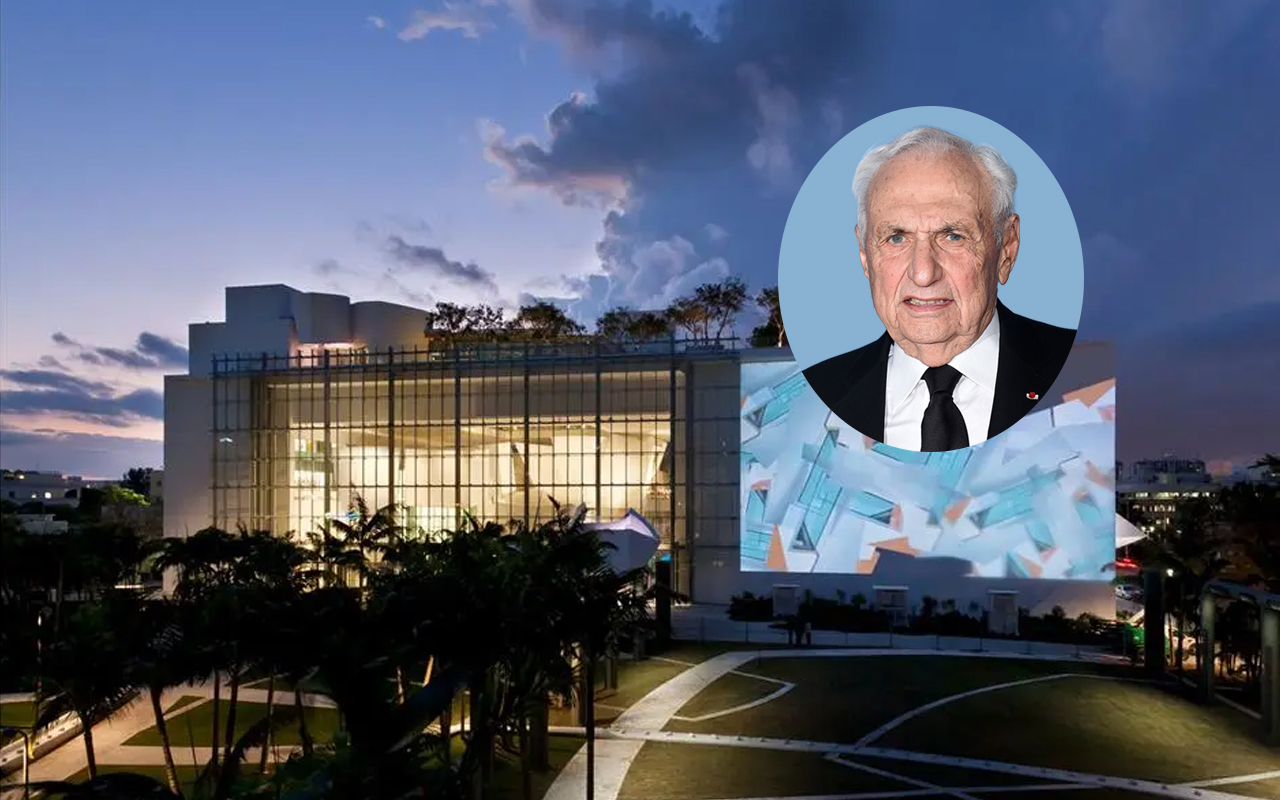
On December 5, 2025, the architectural world lost one of its true giants. Gehry Partners LLP confirmed that Frank Gehry — the visionary behind some of the most iconic buildings of the late 20th and early 21st centuries — passed away in Santa Monica at age 96.
Gehry’s work redefined what buildings could be: not just functional spaces, but sculptures, landmarks, emotional landmarks embedded in the cultural life of cities.
Global legacy: From Bilbao to LA and beyond
Gehry’s name became synonymous with daring, inventive architecture — from the titanium-clad swoops of the Guggenheim Museum Bilbao (1997) to the stainless-steel sails of the Walt Disney Concert Hall in Los Angeles (completed 2003).
His ability to blend artistry with functionality, to make buildings that were both theatrical and humanly accessible, earned him the top honors of his field — including the Pritzker Architecture Prize.
Though some critics viewed his “starchitect” approach as more spectacle than substance, many of his works still stand as proof that architecture can reshape not only skylines — but how people experience cities.
A Miami Beach touch: Gehry’s local footprint
Even here in South Florida — where pastel Deco facades and glass towers often dominate — Gehry left his mark. His most significant contribution to the region is the New World Center in Miami Beach, which officially opened in January 2011.
- The New World Center serves as the home of the New World Symphony, America’s orchestral academy. It includes a 756-seat concert hall and a series of rehearsal and practice rooms.
- The building is wrapped in a clean glass-and-white-plaster exterior — a deliberate choice to harmonize with Miami Beach’s architectural vernacular, rather than impose a metal-heavy “Gehry-look.”
- Inside, however, the signature Gehry spirit thrives: a dramatic atrium, curved and sculpted interior spaces, and a design that emphasizes intimacy — no seat is more than thirteen rows from the stage, bringing audiences physically close to musicians.
- The Center also incorporates a 2.5-acre public park with a 7,000-square-foot outdoor projection wall. Through “wallcasts,” people can enjoy free concerts, movies, and visual arts beneath the Miami sky — an open-air invitation to art, accessible to all.
Because the New World Center is Gehry’s first and — to date — only completed Florida commission, it stands as a special bridge between his global legacy and Miami’s unique cultural fabric.
Beyond that, Gehry was also associated with plans to renovate the Bacardi Tower and its museum campus in Miami, reimagining the interiors and possibly adding a performing arts center — though that project never reached the same realized prominence as the New World Center.
Why the world — and Miami — will feel his absence
For decades, Gehry pushed the boundaries of what architecture could express. With each building, he made a statement: that form matters; that architecture can inspire awe, stir emotion, and become part of a city’s identity.
In Miami Beach especially, the New World Center continues to serve as a rare example of architecture — by a global master — designed specifically for the local climate, culture, and community. The plazas, film-style “wallcasts,” and openness to public life reflect how architecture can be democratic, not elitist.
His passing reminds us both of the power of “star” architects — and of the responsibility we have to preserve, celebrate, and build upon their work responsibly and inclusively.






Leave a Reply