World Expo 2035 in Miami: What It Could Mean for the City’s Future Growth
January 23, 2026
by: Lucas Lechuga
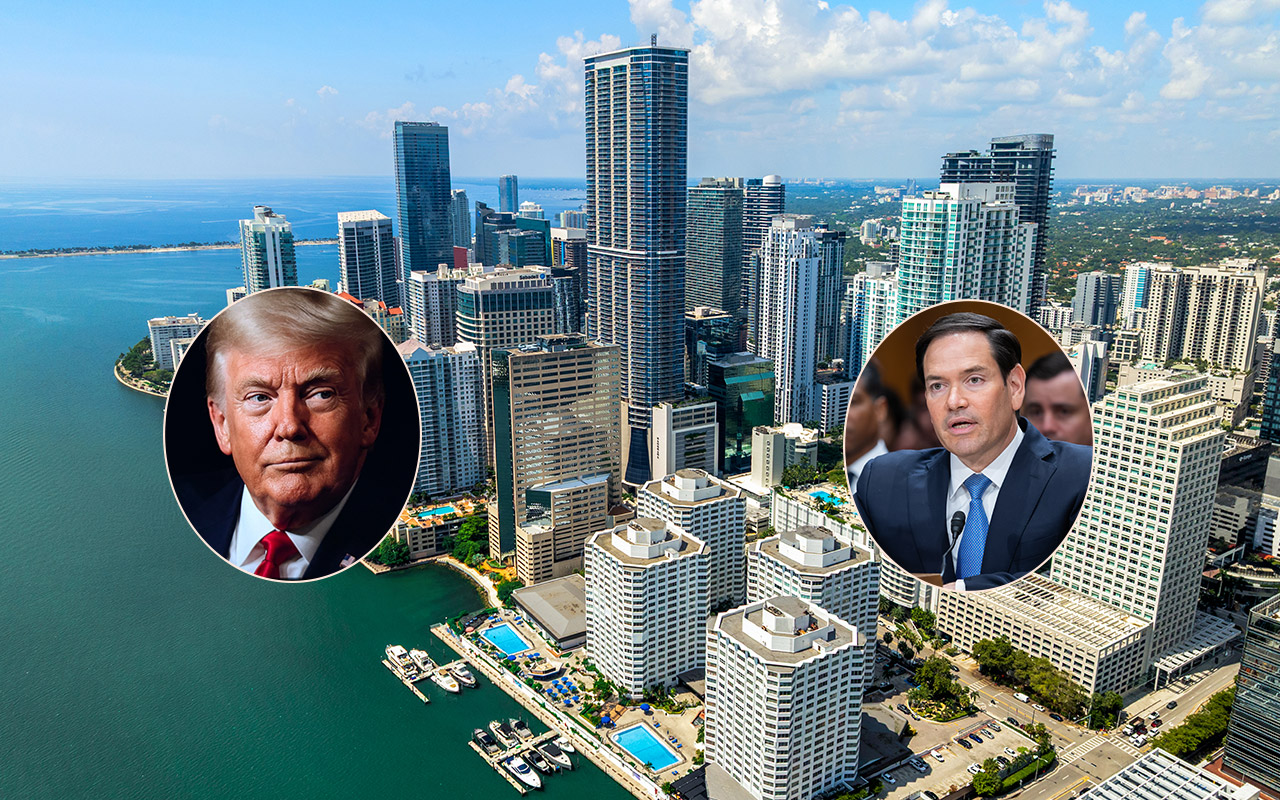
The United States has officially announced its intention to bid to host World Expo 2035, with Miami, Florida emerging as the proposed host city — a move that could redefine Miami’s economic trajectory and global status. President Donald Trump confirmed the bid on social media, framing it as a milestone opportunity, and appointed Miami native Secretary of State Marco Rubio to lead the effort.
But what exactly is a World Expo, and why should Miami residents, businesses, and investors care about it?
What Is the World Expo? A Brief History
World Expos — historically known as World’s Fairs — are large-scale international exhibitions where countries, companies, and organizations showcase innovations, cultural achievements, and forward-looking ideas. The tradition traces its roots back to the 1851 Great Exhibition in London under the famous Crystal Palace.
Today, the Bureau International des Expositions (BIE) in Paris oversees these events, which occur roughly every five years and draw millions of visitors from around the world. The most recent expo took place in Osaka, Japan, in 2025 and welcomed tens of millions of attendees.
The United States hasn’t hosted a World Expo since the 1984 Louisiana World Exposition in New Orleans, making this potential Miami bid particularly notable.
Why Miami? Strategic Advantages for Hosting World Expo 2035
Miami’s bid election is no accident. As the city continues to expand as a financial and cultural hub, neighborhoods like Brickell, Downtown Miami, and Miami Beach have emerged as global-facing districts capable of supporting large-scale international events. Long known as a gateway between the Americas, Miami has:
- A thriving tourism industry that already attracts global visitors year-round.
- Major international business and trade sectors.
- Cultural diversity that resonates with Expo themes.
- A strong transportation infrastructure including a major international airport and cruise terminals.
Hosting World Expo 2035 would elevate these natural strengths into lasting global prominence.
Massive Economic Impact: Jobs, Investment & Infrastructure
One of the clearest benefits — underscored by federal announcements — is the economic impact that a World Expo could have on Miami:
1. Job Creation Across Sectors
A major global event like Expo 2035 would require massive planning, construction, hospitality staffing, transportation services, and tech innovation teams. According to early projections tied to the bid, the event could create thousands of jobs in South Florida.
2. Billions in Economic Growth
President Trump’s announcement highlighted expectations that the expo bid could contribute billions of dollars in economic growth — from planning and construction to multinational participation and tourism revenue.
3. Infrastructure Upgrades
Historically, cities preparing for World Expos invest significantly in transportation, convention space, urban development, and public amenities — all of which can have long-lasting impacts on quality of life and business growth.
4. Tourism and Global Branding
With tens of millions of international visitors drawn to world expos, Miami stands to benefit from elevated tourism — both during the event and in the decades that follow, as global travelers associate the city with innovation and cultural exchange.
How Miami’s 2035 Transformation Could Look
Hosting World Expo 2035 could catalyze several long-term growth trends:
- Urban revitalization of key districts hosting expo pavilions.
- Sustainable infrastructure investments in transit and public spaces.
- Cultural exchange initiatives that strengthen Miami’s identity as a global cultural hub.
- Enhanced global business partnerships, especially between the Americas, Asia, and Europe.
By 2035, Miami could extend its reputation — already established as a global city — into new realms of economic leadership and international influence.
Global Context: Expo Competition and Timeline
Several cities and countries are also exploring bids for World Expo 2035, including Berlin, Egypt’s New Administrative Capital, and Busan, South Korea.
The world’s expos continue to operate on a multi-year cycle, with Expo 2030 scheduled for Riyadh, Saudi Arabia under the theme “Foresight For Tomorrow.”
Miami’s bid will face international competition, but the spotlight now firmly rests on South Florida — a region that could benefit enormously from hosting such a defining global event.
Conclusion – A Future Built on Opportunity
If Miami successfully secures the World Expo 2035, the city could see a profound economic and cultural transformation. From millions of international visitors and boosted infrastructure to long-term job creation and global business attention, the stakes are high — and the benefits potentially historic.
Miami’s path to 2035 is shaping up to be one of innovation, opportunity, and global leadership. With the World Expo bid at the center, the city’s future is poised for growth — not just in tourism, but in economic depth and cultural influence.






Leave a Reply