Miami Rail Expansion Hit by Steep Cost Increase and Funding Uncertainty
January 9, 2026
by: Lucas Lechuga
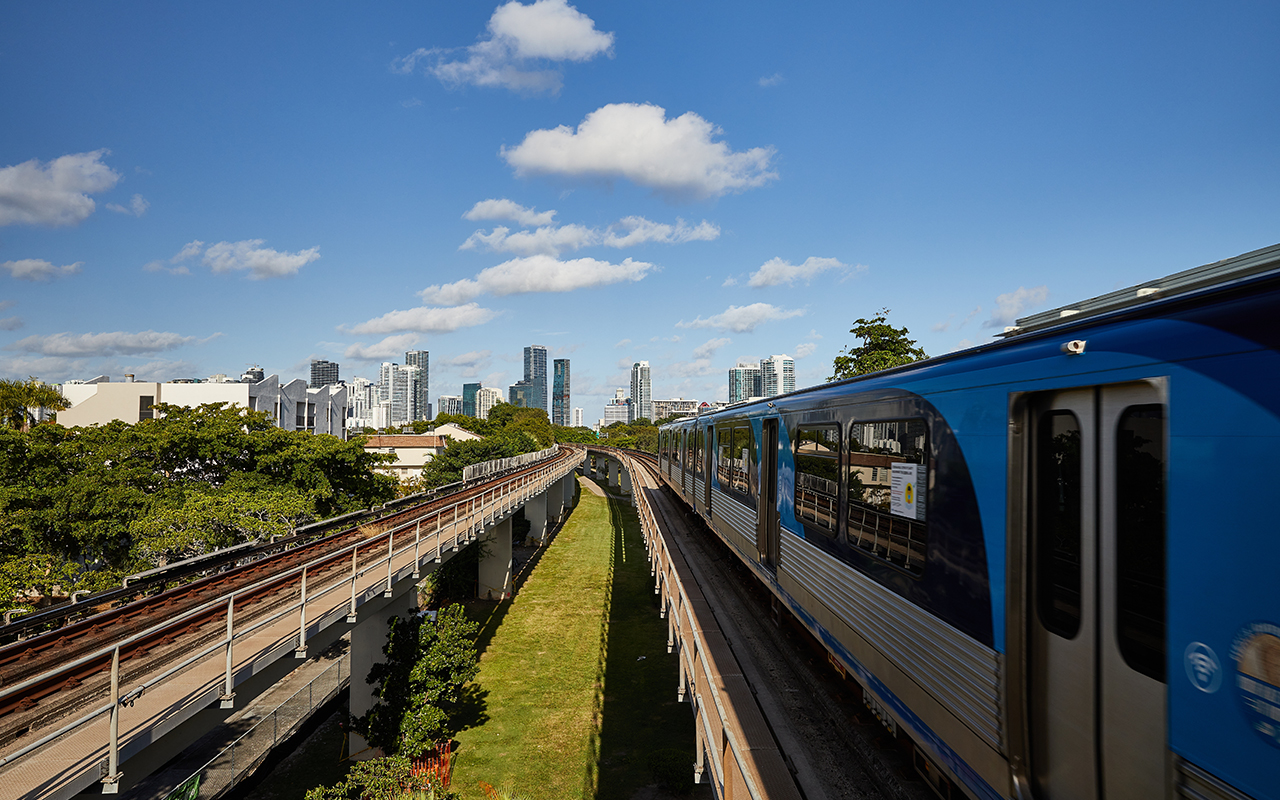
Plans to build a much-anticipated heavy rail line from Downtown Miami to Hard Rock Stadium have encountered a major setback as the Florida Department of Transportation (FDOT) now estimates the project will cost approximately $4.2 billion — nearly double earlier projections. This dramatic increase threatens the viability of the project by undermining its competitiveness for critical federal support and raising fresh questions about the timeline and funding strategy for expanding mass transit in Miami-Dade County.
Rising Costs Put Federal Funding at Risk
The FDOT’s recent figure marks a steep escalation from earlier estimates that placed the project’s price tag well below $2.5 billion. This jump mainly reflects added infrastructure components — including a planned light maintenance facility — and refinements to the rail design, driving up overall capital costs.
One of the most significant consequences of the higher expense is its impact on the project’s cost-effectiveness rating with the Federal Transit Administration (FTA). The FTA, which provides a large portion of financing for major transit projects, scores proposals based on cost per passenger trip; rail options with lower costs are far more likely to secure funding than those with higher per-trip expenses. At an estimated $54.47 per passenger trip, the North Corridor’s numbers may fall well outside the competitive range needed to attract federal dollars.
Timeline and Project Scope in Flux
Originally conceived as part of Miami-Dade’s Strategic Miami Area Rapid Transit (SMART) Program, the heavy rail extension along NW 27th Avenue would connect downtown with key northern destinations and major activity centers, including Hard Rock Stadium. FDOT and regional planners envisioned an elevated rail line with multiple stations and park-and-ride facilities.
However, with the latest cost estimates, the project’s timeline has grown uncertain. Officials no longer provide a firm start or completion date, and discussions are underway about staging construction in phases — building northward from downtown incrementally rather than as one large, single project — in hopes of improving its financial feasibility.
Why Costs Are Increasing
Several factors have contributed to the ballooning price tag:
- Expanded scope: Additions like the maintenance facility and station enhancements contribute directly to higher capital costs.
- Long planning horizon: The North Corridor has been in the planning phase for years, with design, environmental analysis, and public input adding complexity and cost. The FDOT’s project development and environment (PD&E) study continues to refine how best to deploy heavy rail in the corridor.
- Inflation and construction markets: Like many infrastructure projects nationwide, recent inflation in labor, materials, and construction services plays a role in driving up estimates.
What This Means for Miami’s Transit Future
The North Corridor project remains a priority for regional mobility planners because it promises to expand access to rapid transit for underserved communities and reduce traffic congestion along a heavily traveled corridor. But at its current projected cost, securing competitive federal funding — essential for moving forward — will be challenging without adjustments.
Local leaders and transportation planners will need to explore cost-reduction strategies and potentially rethink how to phase the work to make the project more financially realistic while still delivering meaningful mobility benefits to residents and visitors.






Leave a Reply